Why we filed a lawsuit against the USDA
You trust us to dig deeper into the systems shaping agriculture. Sometimes, that work happens behind the scenes.
On Monday, our newsroom sued the U.S. Department of Agriculture following a 14-month delay by the agency in releasing emails tied to major internal decisions, including staff and program cuts, in the early weeks and months of President Trump’s second term.
The lawsuit was brought under the Freedom of Information Act, which requires federal agencies to respond to records requests within a reasonable timeframe. In this case, the USDA said the records were in “final review” more than a year ago but has not released them. Those records could help answer outstanding questions about how and why millions in grant dollars for ag producers were eliminated and why thousands of agency workers were let go.
We want to thank the Reporters Committee for Freedom of the Press for their help and in connecting us with the Free Information Group, a Washington-based law group that agreed to take up the case.
We’ll keep you updated as this moves forward.
— Lauren Cross, assitant editor & audience engagement editor
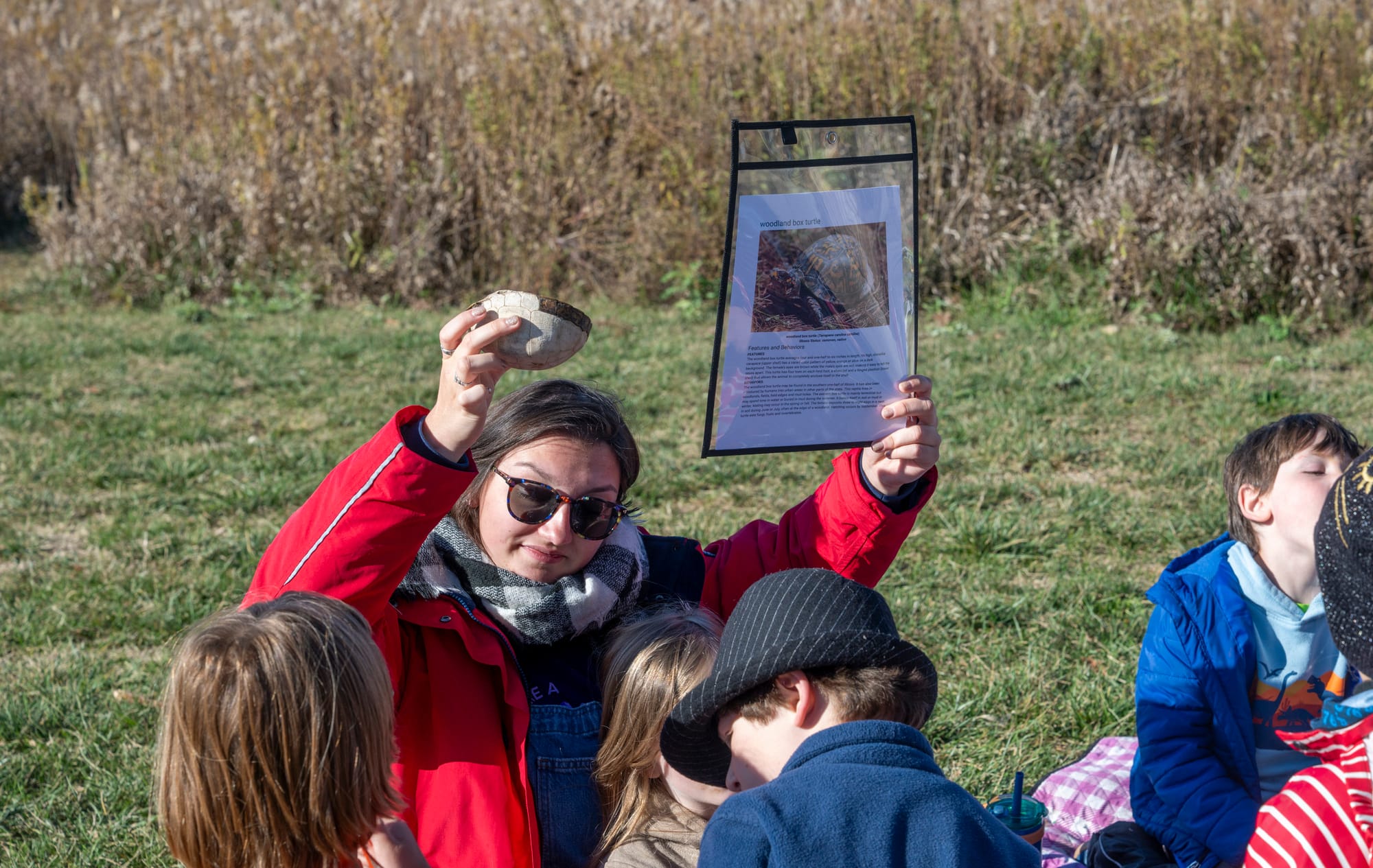
Pesticides detected hundreds of feet away from parks and playgrounds in these 10 Illinois counties
By Ben Felder, Investigate Midwest
Eighteen different pesticide compounds were detected in public parks and playgrounds at 10 sites across Illinois last summer, including some agrichemicals that drifted at least 3,700 feet from the nearest spray site.
The new research, conducted by the Champaign-based nonprofit Prairie Rivers Network, comes days after the defeat of a state bill that would have required pesticide applicators to notify nearby schools and parks before spraying.
“There was pretty stiff opposition from the ag industry,” said Kim Erndt-Pitcher, director of ecological health at the Prairie Rivers Network, referring to House Bill 1596. “But we all have a right to clean air and healthy places to live and play and work, and these chemicals are trespassing.”
Released last week, the new report included monthly testing data from last May to September at 10 sites ranging from 110 to 3,700 feet from the nearest potential application sites, such as a farm or golf course. 2,4-D and dicamba were detected at a minimum of two sites each month, with 2, 4-D being the only compound found at every site every month. Atrazine, acetachlor, glufosinate and metolachlor were detected at least once each month during four of the five months.
DATA HARVEST: Fertilizer costs squeezing farmers nationwide
By Mónica Cordero, Investigate Midwest
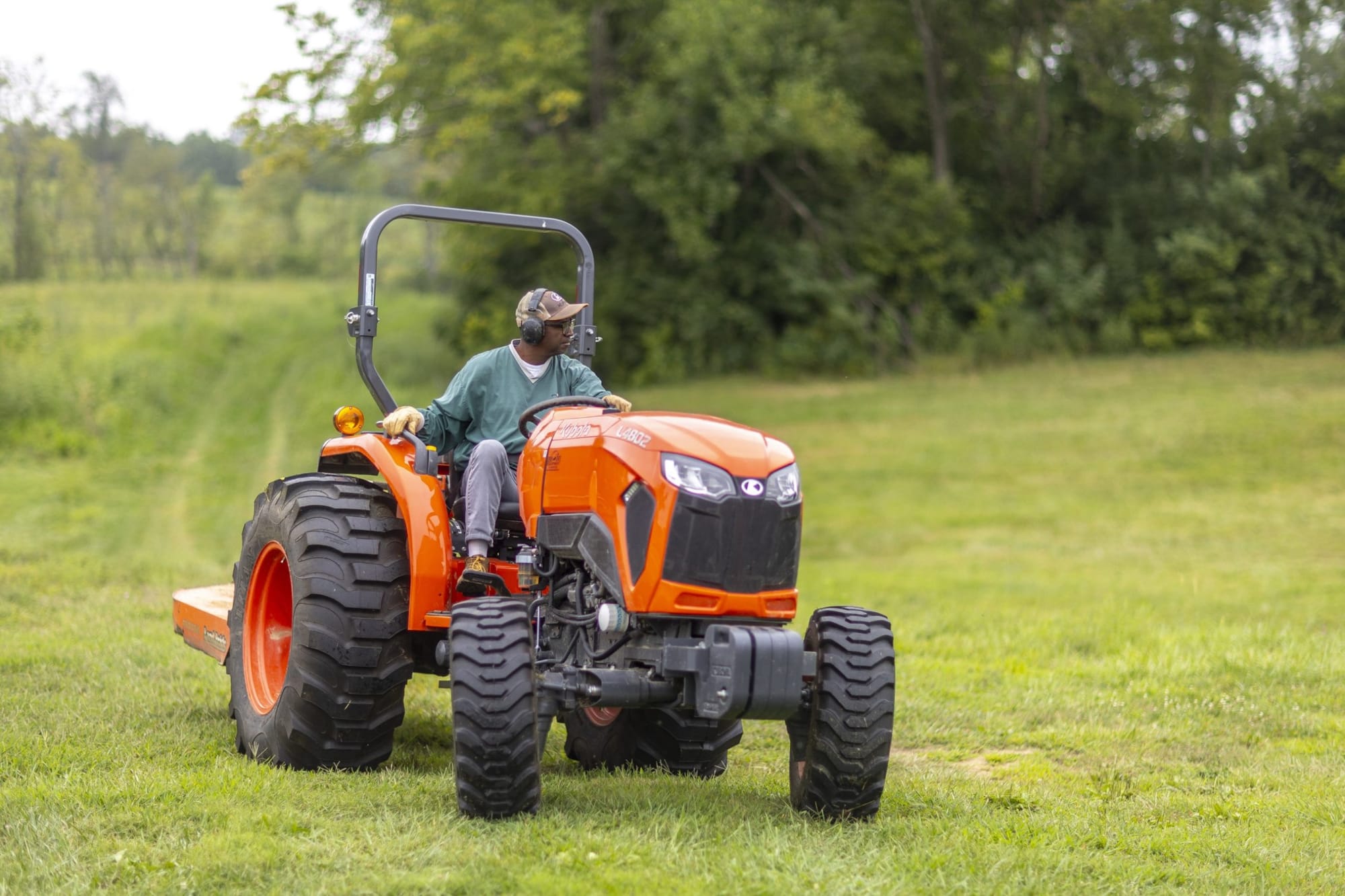
Farmers across the United States are entering the planting season under mounting financial pressure, with fertilizer costs emerging as one of the most significant constraints on production, according to an April survey conducted by the American Farm Bureau Federation.
The survey, which collected responses from more than 5,700 farmers, found that about 70% are unable to afford all the fertilizer they need this year. The strain cuts across regions and crops, underscoring how rising input costs are affecting farm operations nationwide.
ICYMI: Who is building solutions to ‘digital redlining’
This week, we’re revisiting Melissa Dai’s award-winning investigation into broadband access and rural inequity.
Dai, our 2025 summer reporting intern, recently won a first-place Society of Professional Journalists Mark of Excellence Award and the North American Agricultural Journalists Student Contest award for this story. Her reporting found that Native and Black farmers continue to face major barriers to reliable internet access, even as billions in federal broadband dollars flow across the country.
The investigation examines “digital redlining,” flawed federal data, affordability gaps and the communities building their own solutions when large providers fail to deliver.