March 30, 2023 www.investigatemidwest.org Midwest Center for Investigative Reporting
Weed killer dicamba at center of legal case (again)
Beginning in 2015, Monsanto released crops that have been genetically engineered to tolerate being sprayed by the weed killer dicamba. Every year since, millions of acres of crops and natural areas have been harmed by the weed killer spreading or drifting off target.
As a result, the product has been the subject of inconsistent regulation, lawsuits and public outcry. Dicamba has been banned and re-approved.
Now, Bayer, which purchased Monsanto and the dicamba-tolerant crops in 2018, is suing four farmers in the Bootheel of Missouri for violating their user agreement with the seeds. The lawsuit claims the farmers sprayed older versions of dicamba, did so beyond the state's annual cut-off date and saved seeds from Bayer's dicamba-tolerant crops and replanted them. The suit says the farmers are harming the company's reputation with the EPA.
Critics counter that the move is a way to "relitigate" who is responsible for harm to millions of acres to crops and natural areas across the Midwest and South.
— Johnathan Hettinger, reporter
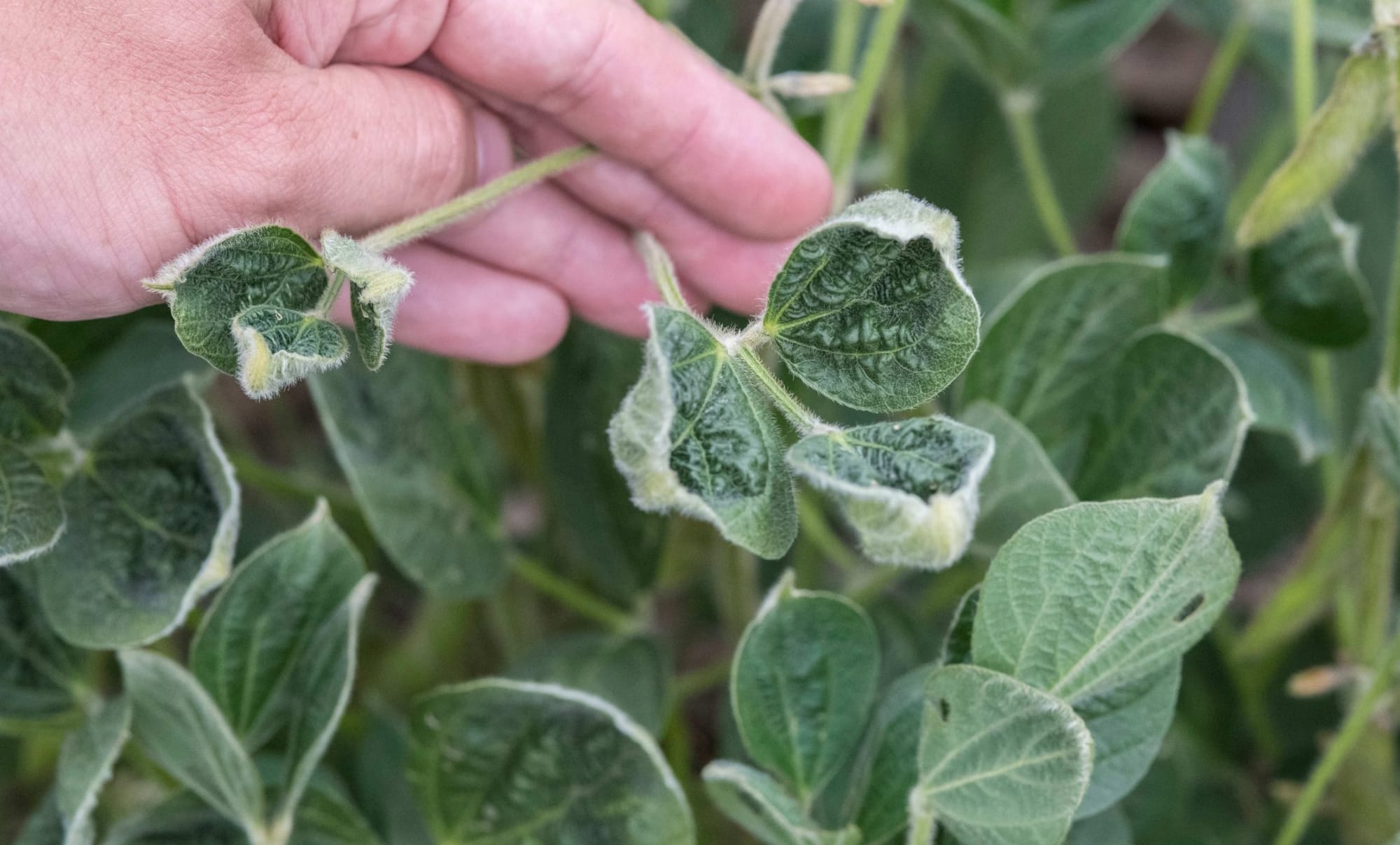
Bayer sues four Missouri farmers for violating user agreement of dicamba and dicamba-tolerant seeds
By Johnathan Hettinger, Investigate Midwest
In recent years, dicamba has been used on farms to kill “super weeds” that have developed resistance to other pesticides such as glyphosate, the most sprayed pesticide in the U.S. and active ingredient in Roundup.
As a result, dicamba use has increased about six-fold in the past 10 years. For decades, the herbicide dicamba was limited in use because of its propensity to move from where it was applied and harm highly sensitive crops. Beginning in 2015, Monsanto introduced genetically-engineered crops that withstand being sprayed by dicamba. With the release of new seeds, companies like Bayer, Corteva and BASF have released versions of dicamba touted to be less volatile than older formulations (which remain on the market).
Now the weed killer is at the center of a Missouri legal case with Bayer suing four farmers.
Read more.
Graphic: Meat and poultry production workers make up largest share of US food and beverage workforce
By Suzanne Behnke, digital editor
Within the U.S. manufacturing sector, food and beverage manufacturing employees make up the biggest share — 15.4%, according to the most recent federal data.
In 2021, 30.6% of that 1.7 million contributed to meat and poultry production, according to the most recent federal data from the U.S. Department of Agriculture. (This number includes nonproduction workers, too.)
Search the graphic.
Meet 'Home Grown' speakers for April 20 event in Iowa
Meet several of the storytellers at the annual Spring Storytelling Night at The Graduate Hotel in Iowa City on Thursday, April 20, hosted by Investigate Midwest and its IowaWatch newsroom.
Speakers include:
- Scott Koepke of Iowa City;
- Forrest Meyer of Iowa City;
- Lyle Muller of Tiffin;
- Charity Nebbe of Iowa Public Radio as host.
This event is co-produced with the University of Iowa Events Management Certification program.
Doors open with music starting at 5:45 p.m. Attendees can order appetizers or dinner on their own and enjoy a themed drink ahead of the speakers starting at 6:30. Tickets are $20 and include a free drink. (They can be purchased ahead of time or at the door.)