This case could forever alter the legal fight over pesticides
A major Supreme Court ruling could arrive within weeks, potentially reshaping a legal battle over pesticides and cancer that has been unfolding for years.
The issue has generated billions of dollars in settlements and sparked fierce debates in legislatures across the U.S. It’s also created unlikely allies among environmental advocates, farmers, and supporters in the “Make American Healthy Again” movement.
This week, we’ve pulled together five key things to know about the case, including what the research says about pesticide use and cancer rates and why companies like Bayer are pushing for “liability shields” protecting them from lawsuits claiming their products cause cancer. The story also looks at how the Trump administration is approaching the issue and what’s at stake this summer.
— Lauren Cross, assistant editor & audience engagement manager
Investigate Midwest welcomes two new summer interns

Hey y'all! I'm Paloma Sanchez-McGee and I am this year’s audience engagement intern through the Dow Jones News Fund internship program.
I am a recent graduate of the University of Nebraska-Lincoln with a bachelor’s degree in journalism. During my time at UNL, I was the digital director of my student newspaper, the Daily Nebraskan, and worked on a long-form piece about nitrates in the groundwater in Nebraska.
Through my reporting, I found that Nebraska’s solution is to incentivize farmers to reduce nitrate levels on their land while furthering medical research to prevent further cancer spikes in the state. I also met Don Batie, a corn farmer who has achieved appropriate nitrate levels and is encouraging others to do the same.
This summer at Investigate Midwest, I plan to work closely with our assistant editor and audience engagement manager to plan events and build a stronger online presence for readers. I’ll also help track our newsroom’s impact — including references in research papers, government policy and legislation, reader feedback, and republications by other newsrooms. I’m most excited to work on developing the newsroom’s virtual panels, producing newsletters and coordinating outreach with other media outlets.
Originally from Fort Worth, Texas, I had little exposure to agriculture before attending UNL. Over the past four years, I reported on and helped market the university to communities across the state. Now, I am excited to continue communicating impactful investigative agricultural reporting to communities throughout the region.

Hello! My name is Caspar Dowdy, and I'll be reporting with Investigate Midwest this summer through the Scripps-Howard Fund nonprofit newsroom internship program.
I am currently a student at the University of Missouri, where I study journalism and environmental science. I'm interested in
rural reporting, with a particular focus on science and agriculture. I've previously worked for the Edwardsville
Intelligencer, a small newspaper in southern Illinois, and KBIA, a public radio station in central Missouri. My work has also been published through National Public Radio.
This summer, I am excited to gain experience working with Midwestern communities to answer complex questions about health, livelihood and justice. I look forward to sharing my work with you all.
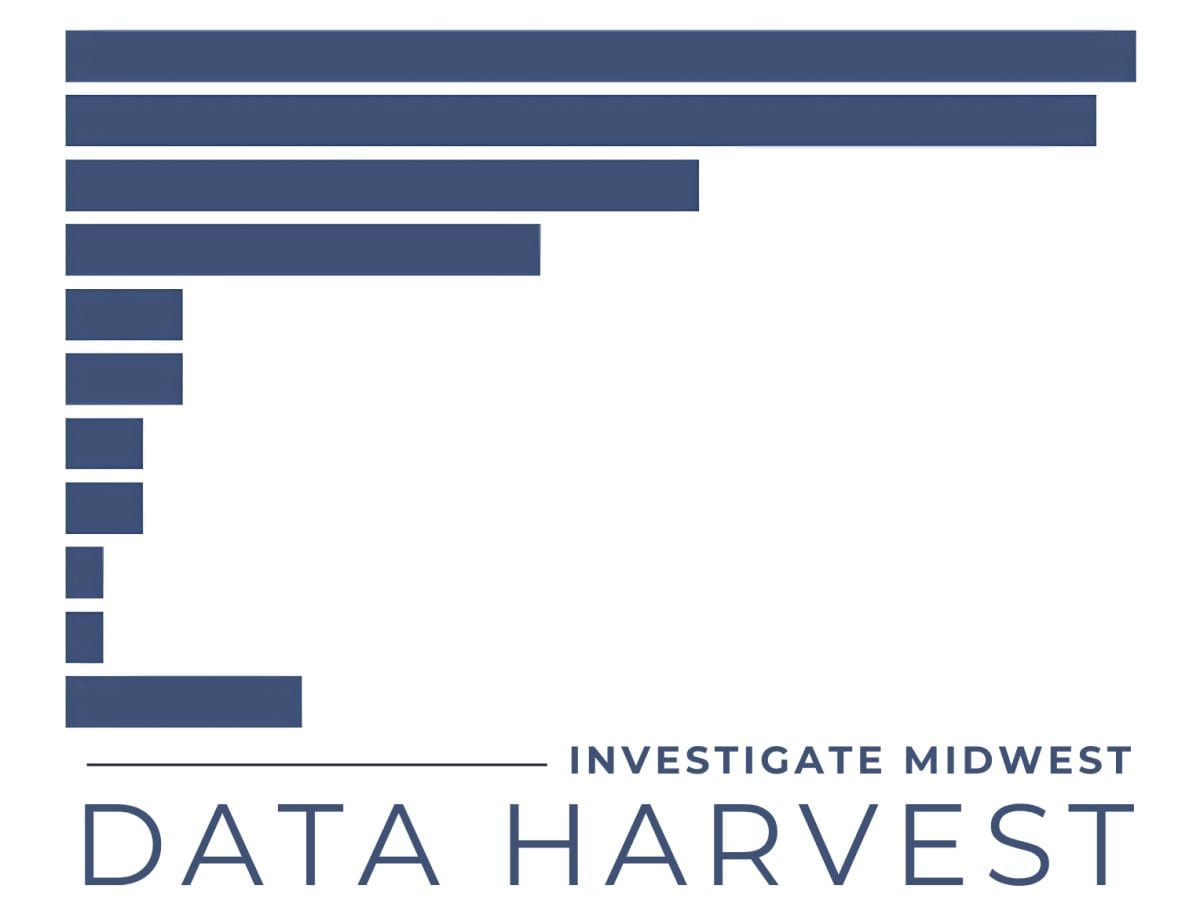
DATA HARVEST: Foreign suppliers play a key role in US fertilizer markets
By Mónica Cordero, Investigate Midwest
American farmers rely on a fertilizer supply chain that stretches far beyond U.S. borders. Although the country produces most of its nitrogen and phosphorus fertilizers domestically, it still imports millions of tons of fertilizer products and raw materials each year.
Nearly 39.4 million tons of fertilizer entered the country in 2025. Another 12.4 million tons arrived during the first three months of 2026, according to U.S. Department of Agriculture data.
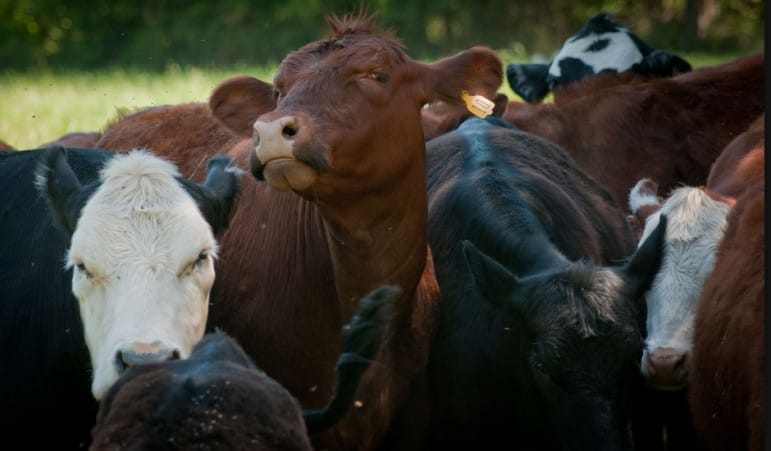
ICYMI: Record-high beef prices
As record beef prices put renewed attention on meatpacker consolidation, our reporting from March examined whether staffing cuts weakened the federal offices responsible for policing antitrust violations in agriculture.