May 29, 2025 The Midwest Center For Investigative Reporting
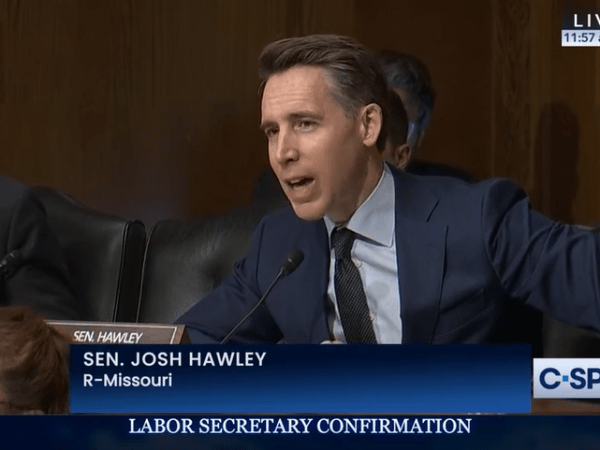
Meatpacking, child labor, and a shrinking watchdog force
Can the U.S. Department of Labor combat child labor violations following a 20% workforce reduction? That’s the question journalist John McCracken tries to answer in this week’s feature story.
The Trump administration’s staff and budget cuts have impacted the Department of Labor at a time when child labor violations have increased by 35% in the past ten years.
Some lawmakers are also calling for renewed investigations into potential violations by some of the nation’s largest meat producers.
U.S. Sen. Josh Hawley, a Missouri Republican, recently accused Tyson Foods of using child labor — “They're basically participating in an illegal human trafficking ring.”
Tyson Foods has denied these allegations, but the company is still under investigation for the use of child labor at two of its facilities in Arkansas, according to a DOL statement from March.
John’s reporting also shows that nearly half of all child labor violations in the past two decades have come from the agriculture industry.
“With cuts going on in the Trump administration, we certainly have a fear that there's going to be even less capacity and less appetite for enforcing child labor laws,” said Todd Larson, co-executive director for environmental and labor advocacy group GreenPeace.
— Ben Felder, editor in chief
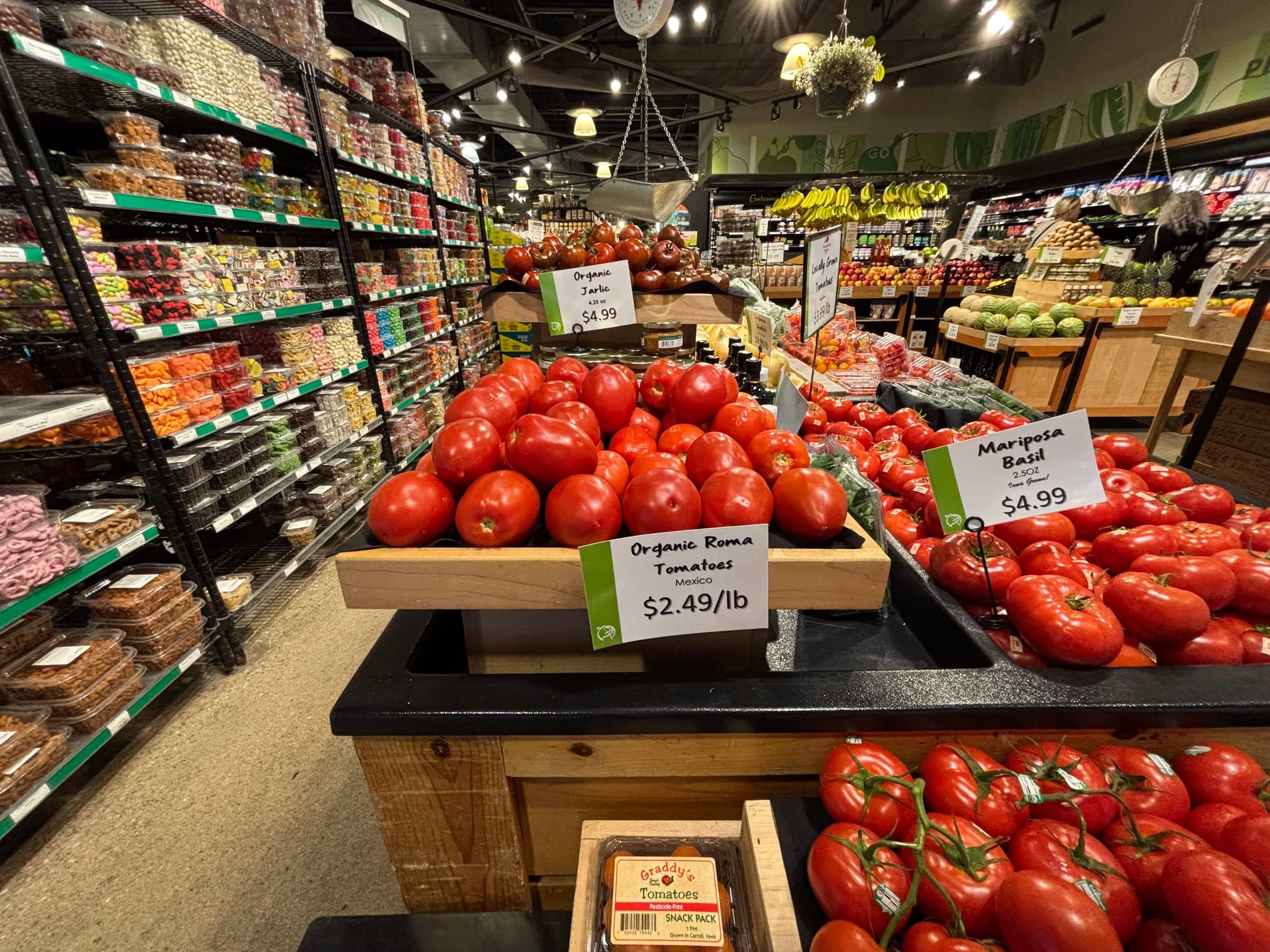
DATA HARVEST: Tomatoes become latest flashpoint in US-Mexico trade tensions
By Mónica Cordero, Investigate Midwest
Tomatoes, found in everything from tacos to soups, are suddenly at the center of a new cost concern, not because of crop failure, but because of tariffs. The Trump administration’s plan to impose steep levies on fresh Mexico-grown tomatoes, which supply most of the U.S. market, could drive up prices for restaurants, grocers, and families alike.
On April 14, the Commerce Department announced it would begin imposing a 20.91% tariff on most tomatoes imported from Mexico starting July 14. The decision ends a 2019 agreement that had suspended earlier trade penalties, with officials arguing the pact failed to protect American producers from a competition surge from low-cost Mexican tomatoes.
View the chart here.
OPINION: FDA needs additional state help to do its job
By Dave Dickey, Columnist
Let’s be honest. The Food and Drug Administration is a huge dumpster fire when it comes to complying with federal food inspection laws.
In January of this year, the U.S Government Accountability Office reported that FDA has not met its domestic and foreign inspection targets since fiscal year 2018. That’s six years and counting.
Some years the inspection numbers are gosh awful. For instance, in fiscal year 2021 FDA failed to inspect about 49% of high-risk domestic facilities by the legally required date. That was a huge improvement over fiscal year 2019 when the rate was just 7%. And no, that is not a typo.
The FDA Food Safety Modernization Act requires FDA to inspect every high-risk domestic food facility at least once every three years and each non high-risk facility at least once every five years.
Read more here.
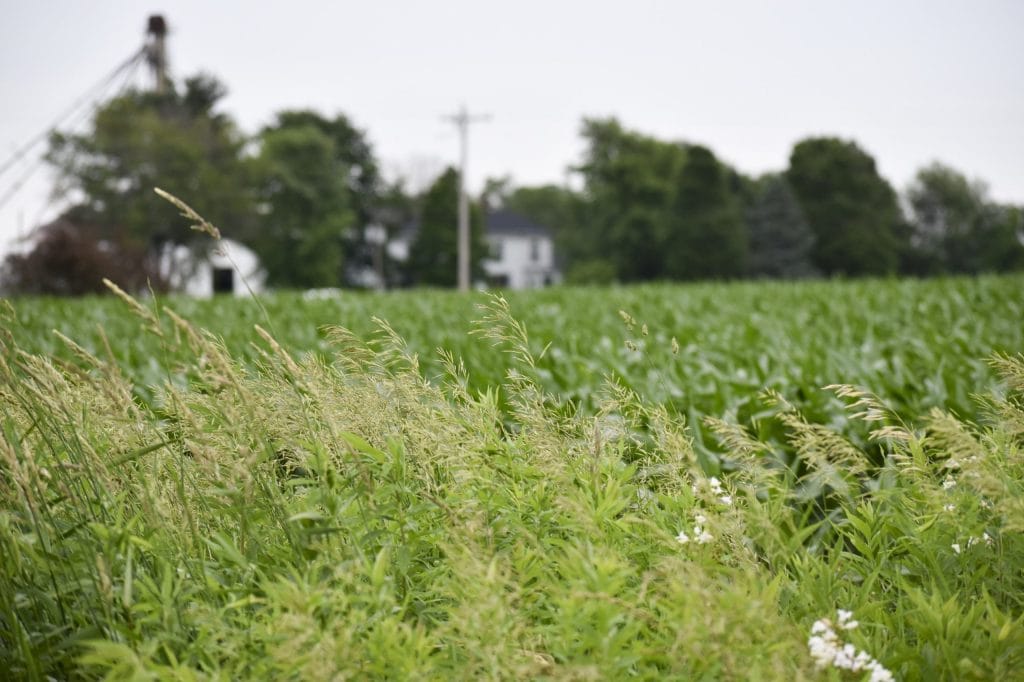
ICYMI: After SCOTUS gutted protections, Illinois still hasn’t filled the gap
By Jennifer Bamberg, Investigate Midwest
In a new story this week, Grist examined how agricultural lobbyists (especially powerful state Farm Bureaus) have stalled or killed wetland protection bills across the Midwest. In Illinois, where Democrats hold a supermajority, the Illinois Farm Bureau played a central role in blocking efforts to restore Clean Water Act safeguards lost after a 2023 Supreme Court ruling.
Last July, Investigate Midwest covered this battle in depth. Jennifer Bamberg reported on flooded farms, legislative hearing rooms, and the frontlines of a conservation crisis. Her story traced how Illinois lawmakers failed to pass the Wetlands Protection Act, despite overwhelming evidence that more frequent floods, fertilizer runoff, and climate extremes are threatening both farms and communities.
Read more.
Stories from our media partners
Investigate Midwest is an independent, nonprofit newsroom. Our mission is to serve the public as a watchdog over influential agricultural corporations and institutions through in-depth and data-driven investigative journalism.