Rooted is Investigate Midwest's monthly members-only newsletter. As a donor who gives at least $60 a year, you receive an inside look at what our newsroom is working on, Q&As with reporters and more. Thank you — we're happy you're here.
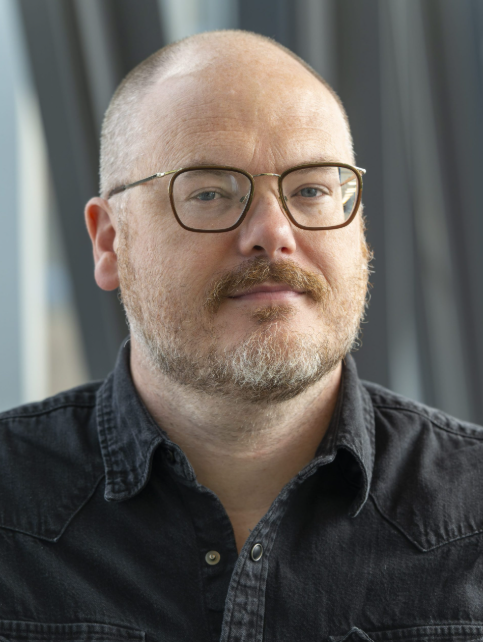
— Ben Felder, editor-in-chief
The questions rural communities are asking out loud
Dear |FNAME|,
Over the past several months, questions surrounding pesticides, cancer and rural health have moved from isolated concerns in rural communities into national conversations shaped by lawsuits, scientific debate and growing public pressure.
At Investigate Midwest, we’ve been reporting on the frontlines of those conversations through our ongoing pesticides and cancer reporting project, supported by the Pulitzer Center’s StoryReach U.S. Fellowship and the Fund for Investigative Journalism.
This month, we expanded that work by bringing together researchers, advocates, medical experts and rural residents for a public conversation examining the questions that emerged from the reporting itself.
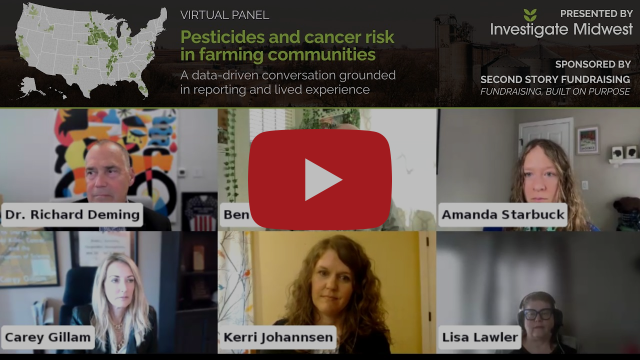
Nearly 90 people joined the live discussion, including cancer survivors, parents, farmers, researchers, healthcare workers, journalists, environmental advocates and rural community members. Many came with deeply personal concerns about cancer, groundwater contamination, pesticide drift and rural health.
One attendee shared in the live chat that she had been diagnosed with stage 3 cancer in her 30s after growing up near corn fields and now living beside another agricultural field. Another described watching cancer rates “explode” among family and friends in rural Iowa.
Others came looking for answers. Audience members raised questions about airborne pesticide drift, paraquat use, groundwater testing and why some chemicals banned elsewhere remain widely used in the United States.
In a follow-up survey, nearly 90% of respondents said the panel improved their understanding of pesticide exposure and cancer risk. More than half said they planned to seek out more information, continue following coverage, talk with others about the issue, or engage more directly with policy and advocacy efforts.
Several respondents said the most valuable part of the discussion was hearing researchers, journalists, advocates, medical experts and people directly impacted by cancer all in one place. Others said simply hearing these issues discussed openly and seriously felt meaningful on its own.
One attendee wrote afterward: “Please do more of these.”
Your support helps make these conversations and this reporting possible.
If you already give monthly or have supported us with a one-time donation, please consider increasing your contribution or becoming a sustaining monthly donor to help fund future conversations across the Midwest.
— Lauren Cross, assistant editor & audience engagement manager