“After you’ve gone to your third park and it’s smelly and there’s nobody on the beaches, you start to get discouraged.”
— Kim Hagmann
Polk County, Iowa resident
The persistance of Iowa’s impaired water list
Kim Hagemann still remembers the smell.
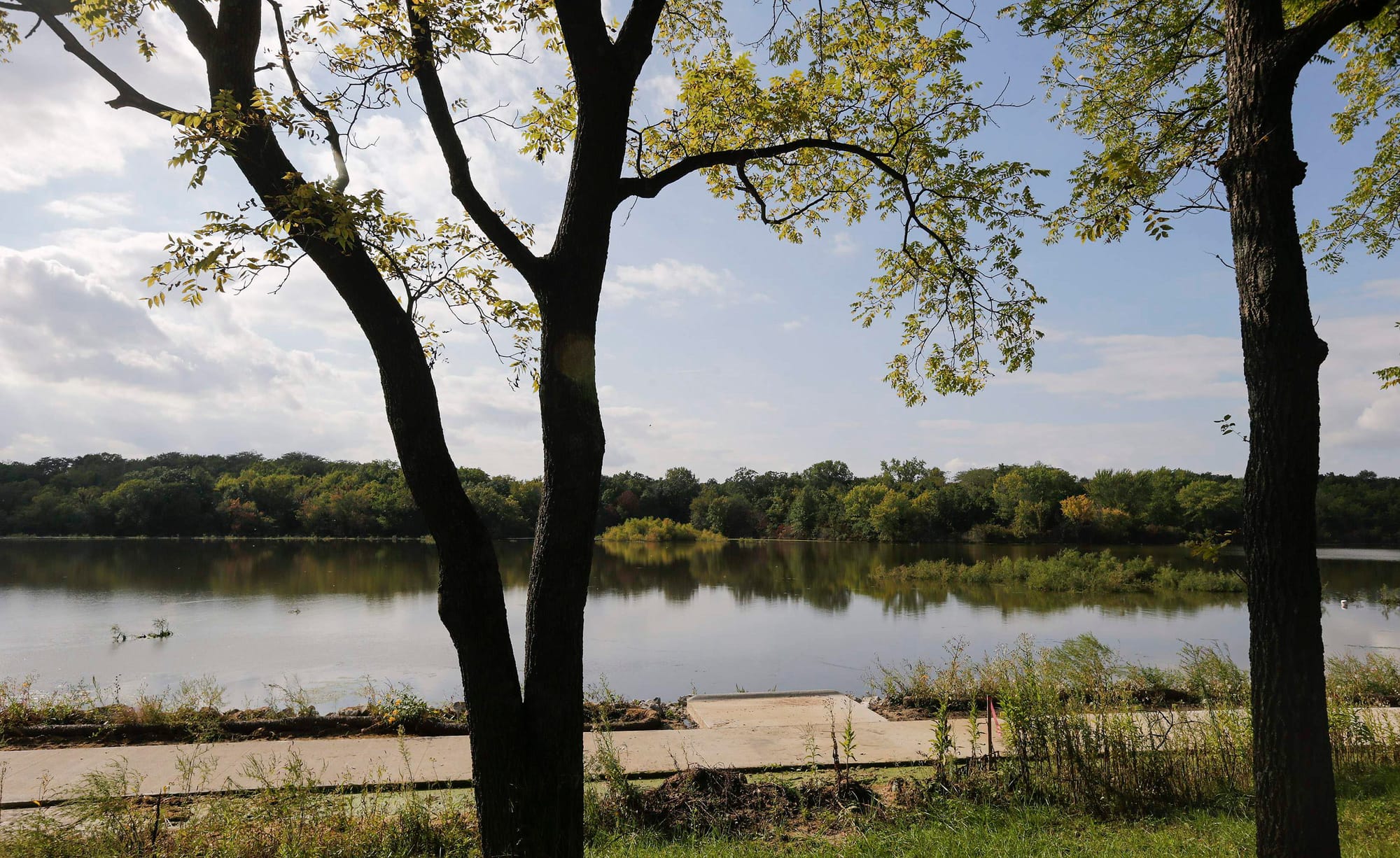
When she arrived in Iowa in the late 1980s, she sought out the state’s public lakes as a cheap activity. But she quickly became discouraged by empty beaches, murky water and a stubborn stench.
Iowa’s waterways were in rough shape, but nearly 40 years later, Hagemann, now retired and living in rural Polk County, believes it hasn’t gotten any better. – “Here we are in 2025, and the water is actually worse,” she said.
The data backs her up. Across Iowa, many rivers and lakes have sat on the state’s impaired waters list for a decade or more, with only modest signs of progress, according to this week’s feature story from Mónica Cordero.
Even when a water segment is finally removed from the impairment list, it often hasn’t fully recovered — pollution lingers across certain uses, and in wet years, runoff can wipe out the gains made in dry ones. Lake Darling, where millions were spent on restoration, now stands as a warning of what happens when upstream pollution goes unchecked.
At the same time, public concern is surging. Iowans are connecting dirty water to health issues and higher costs. Lawmakers have been mostly resistant to enacting new regulations, especially regarding the state’s industrial farms, which contribute to water pollution. But as the 2026 session begins, one lawmaker is taking a different approach.
SEC fines ADM $40 million over accounting issues; DOJ drops criminal probe
By Sky Chadde, Investigate Midwest
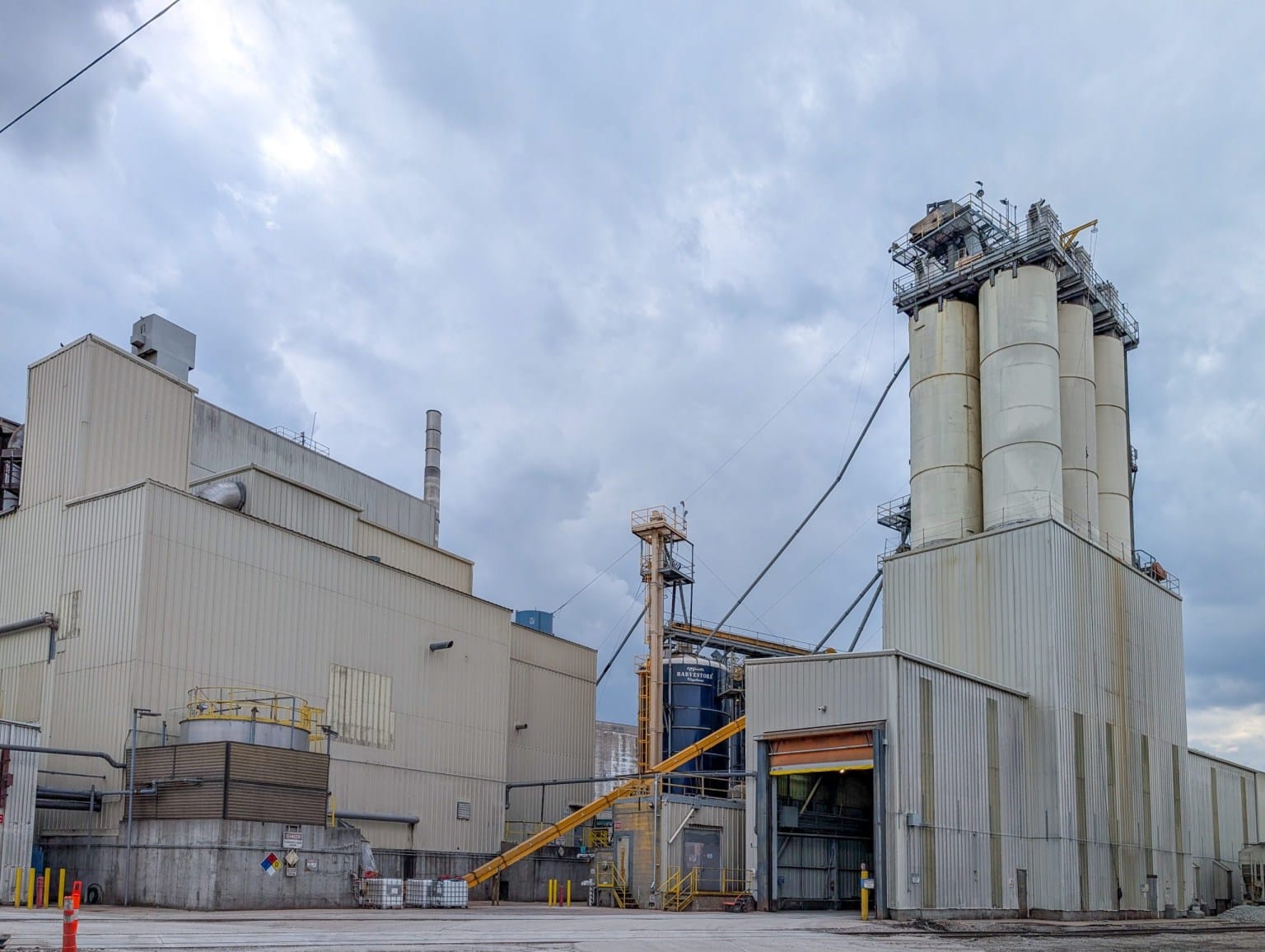
The U.S. Securities and Exchange Commission fined Archer Daniels Midland $40 million after the agency found former high-ranking executives artificially inflated the value of one of its businesses.
The fine, handed down on Jan. 27 as part of a settlement with the company, relates to ADM’s Nutrition business, which the company had touted as a significant moneymaker to investors.
However, as the business failed to meet profit projections, ADM’s chief financial officer shifted funds from other company ventures into Nutrition so it “would appear to be … performing better than it was,” according to the SEC.
DATA HARVEST: Ag producers in severe 3-month cost-price gap
By Lauren Cross, Investigate Midwest
Late 2025 marked the most severe three-month stretch for the gap since at least January 2015
between what agriculture producers pay to operate and what they receive in return, according to an analysis of USDA data released Friday.
The latest data builds on a pattern that’s existed for years: U.S. farmers have faced a cost deficit every month since at least January 2015, according to an Investigate Midwest analysis of federal price indexes.

Join for our next live online discussion Feb. 19
By Lauren Cross, Investigate Midwest
Investigate Midwest, in collaboration with the Arkansas Times and the Mississippi River Basin Ag & Water Desk, will host a free, live virtual panel at 12 p.m. on Feb. 19, examining how China’s global investment strategy and trade tensions are reshaping U.S. agriculture, with a particular focus on soybean farmers, who depend heavily on export markets.
The discussion builds on recent investigative reporting by Investigate Midwest and the Arkansas Times that has documented China’s multi-million investment in ports and agricultural infrastructure across Latin America, including Brazil and Peru, as well as the impacts of tariffs and trade wars on U.S. farmers in states across the Midwest.
Last year, trade disruptions left many farmers navigating unsold grain, reduced cash flow, and growing uncertainty about whether their operations could remain viable in a changing global market.
Confirmed panelists include:
- Mónica Cordero, data and investigative journalist, Investigate Midwest
- Phillip Powell, agriculture and environment reporter, Arkansas Times
- April Hemmes, Iowa soybean farmer, past United Soybean Board farmer-director
- Dr. Joanna Colussi, assistant professor of agricultural economics
- Dr. Jared Phillips, historian and farmer, University of Arkansas
Ben Felder will moderate the discussion.
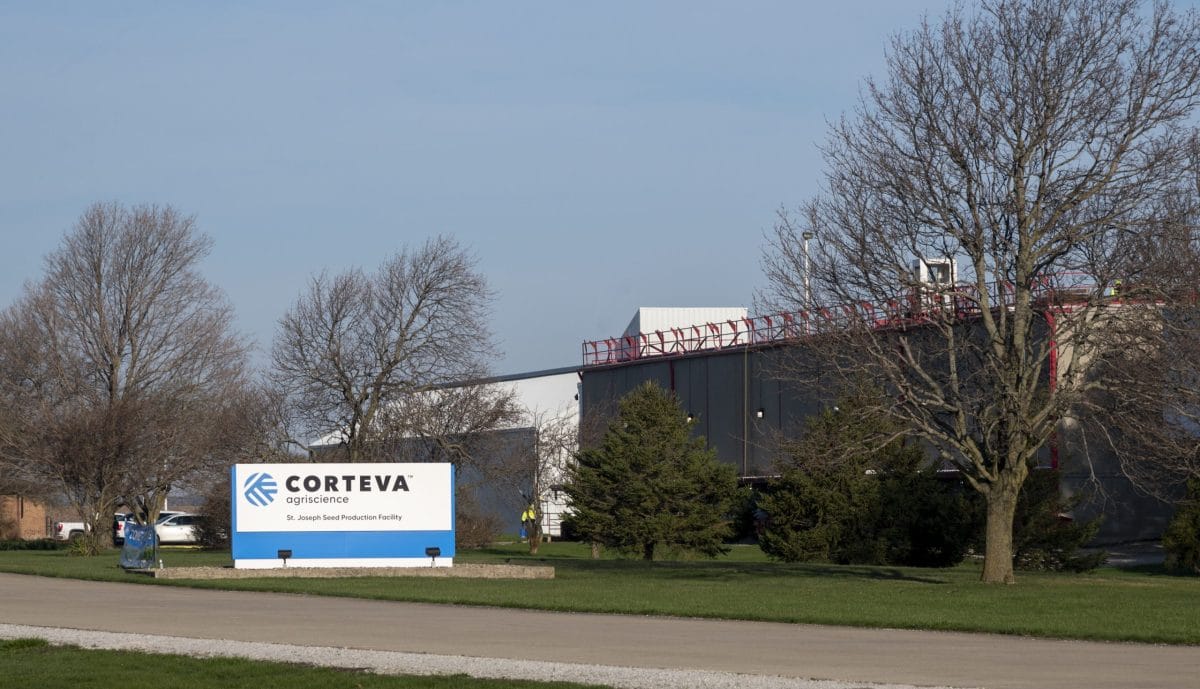
ICYMI: Who controls GMO seed patents
Decades of mergers have reshaped the seed industry. This explainer and chart by our senior reporter Sky Chadde shows which companies hold most GMO seed patents across major crops.
Take our Press Forward Chicago reader survey
Note: This reader survey focuses on Chicagoland media habits as part of a research project supported by Press Forward Chicago.
We recognize Investigate Midwest serves readers primarily located throughout the Midwest. To learn more about our broader audience, we will launch a separate newsroom-led survey focused on all our rural and non-Chicagoland readers later this year.
News from trusted media partners
What does a small town do when the water in undrinkable?, Sentient Media