May 11, 2023 www.investigatemidwest.org Midwest Center for Investigative Reporting
Plans ramp up to recruit more truck drivers
America's trucking industry has warned about driver shortages for years. But, like it did for most things, the COVID-19 pandemic exacerbated it.
Trucking companies told Investigate Midwest last year that they still felt the pandemic's effects. Hiring — and keeping — new drivers proved difficult.
The agriculture industry is ensnared in the problem, too, and some groups are now trying to address it, Harvest Public Media reports. The Illinois Farm Bureau, for instance, is offering scholarships to attract more potential drivers.
— Sky Chadde, assistant editor/senior reporter
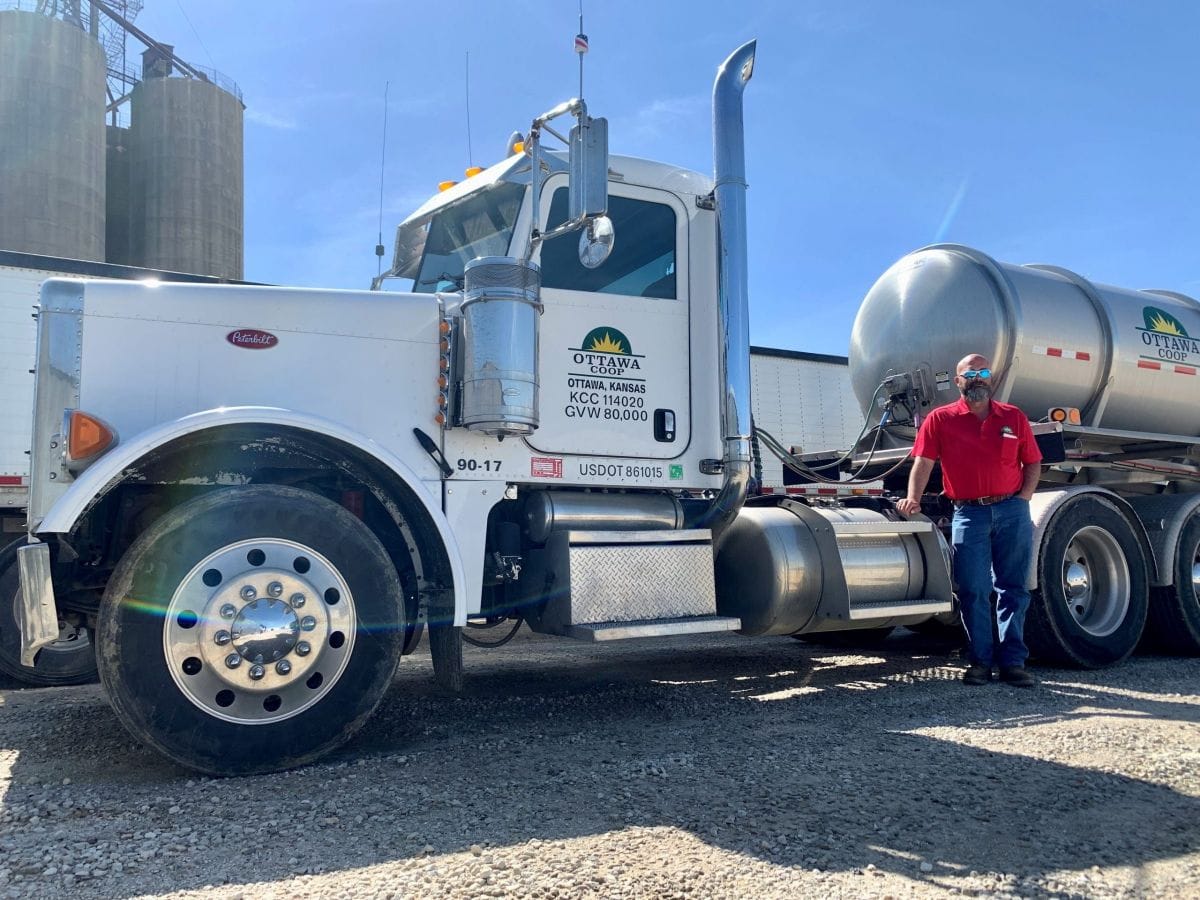
As the trucker shortage deepens, some groups are trying to make it easier to become a driver
By Eva Tesfaye, Harvest Public Media
The American Trucking Association estimates that the shortage of drivers, which was around 78,000 in 2022, will likely double by 2031. It also says that the industry will need to recruit around 1.2 million drivers to replace retirees, but one of the barriers to hiring new drivers is the cost of training, which can be up to $7,000.
Read more about the effect on ag.
Graphic: Most water quality violations are from monitoring and reporting issues
By Mònica Cordero, Investigate Midwest and Report for America corps member
More than 90% of Americans access drinking water through public water systems, which are regulated at the state and local level, according to the government-standardized data portal USA FACTS.
During 2021, there were 153,501 total water quality violations across all U.S. states and territories. Of the total violations, more than 63% were found because of issues with monitoring and reporting by regulatory agencies.
Search the graphic.
Digging deeper to bring failing systems to light
We are midway through our Spring Celebration Campaign-Planting Seeds for Truth, which is a good time to share another story about the impact our work can have — and why your support is so crucial to helping us along the way.
Farm work is labor intensive and takes many hands. The health and wellness of farmworkers is as critical to production and harvest of a good crop as are good soil, weather and tending it.
In 2019, there were two incidents of farmworkers being sprayed by pesticides while in the fields. While authorities investigated the incidents, how these came to their attention highlighted flaws in Illinois’ monitoring of human exposure to pesticides — and shortcomings once authorities are involved.
Investigate Midwest dove into the case. Among the issues we uncovered: how few — and low — fines were for human exposure to pesticides, levied by the Illinois Department of Agriculture.
On Monday, legislation to increase penalties for spraying people with pesticides passed in both houses of the Illinois legislature. Introduced in 2021, the legislation initially went nowhere. Our story in 2022 put a bright spotlight on the incidents, the impact it had on workers, and the state’s fragmented system of monitoring pesticide exposure. The legislation was then reintroduced this year.
This is just one more example of the impact our work has — and we need your support to keep it going.
Our goal for this spring campaign is to raise $10,000 by June 1, all targeted for our long-term growth and sustainability, so we can continue to produce the high-quality stories and investigations you’ve come to expect.
Please make a tax-deductible donation today by going to our Donate page. You can use your credit or debit card, or PayPal account. (If using your credit or debit card, you do not need to set up an account; just click the box beneath the yellow PayPal button.)
A donation in any amount is appreciated. Your support will help us through the summer and beyond.
With gratitude,
Erin Orr,
Executive Director/Managing Editor
Other news
The following story is a product of the Mississippi River Basin Ag & Water Desk, an editorially independent reporting network based at the University of Missouri School of Journalism in partnership with Report For America and funded by the Walton Family Foundation. Investigate Midwest is part of this network.
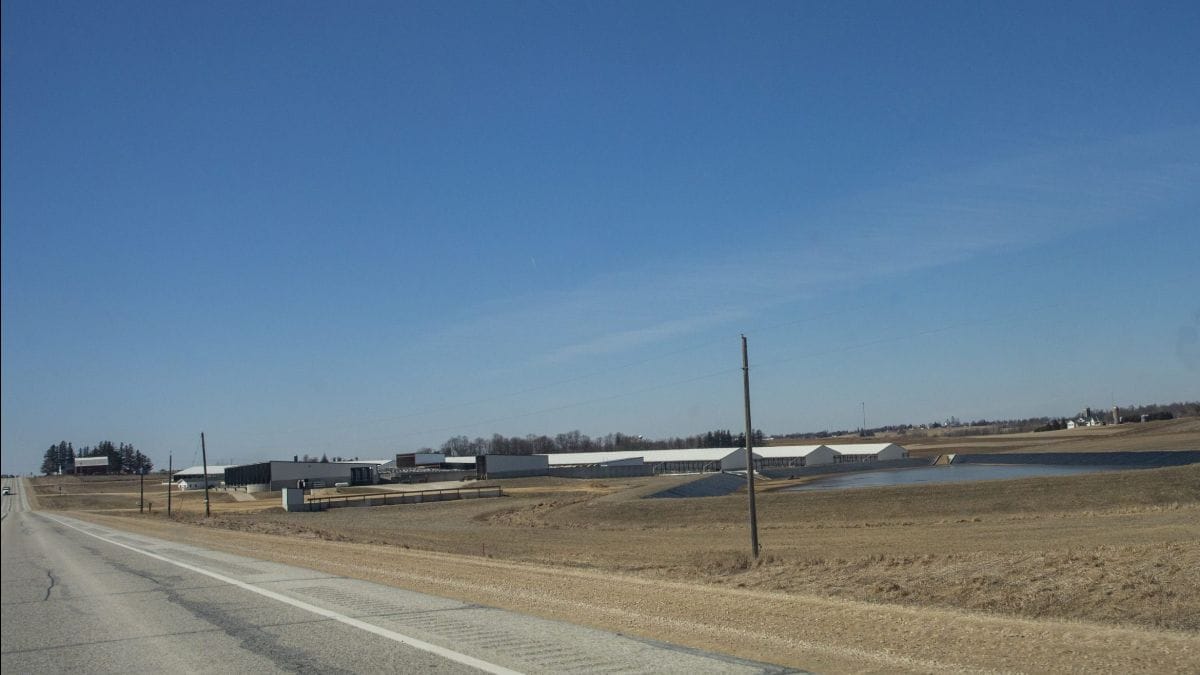
Iowa judge overturns Supreme Beef manure plan approval
A Polk County judge has reversed the decision of the Iowa Department of Natural Resources to permit an 11,600-head cattle feedlot in northeast Iowa. The May 5 ruling in the lawsuit by the Sierra Club of Iowa and Trout Unlimited against the DNR and Supreme Beef says the state agency used “illogical interpretations and applications” to approve a nutrient management plan for Supreme Beef. The ruling sends the case back to the DNR for reconsideration. This story was reported by Erin Jordan of the Cedar Rapids Gazette.
Read more.