March 6, 2025 The Midwest Center For Investigative Reporting
Can farming survive in Walmart’s backyard?
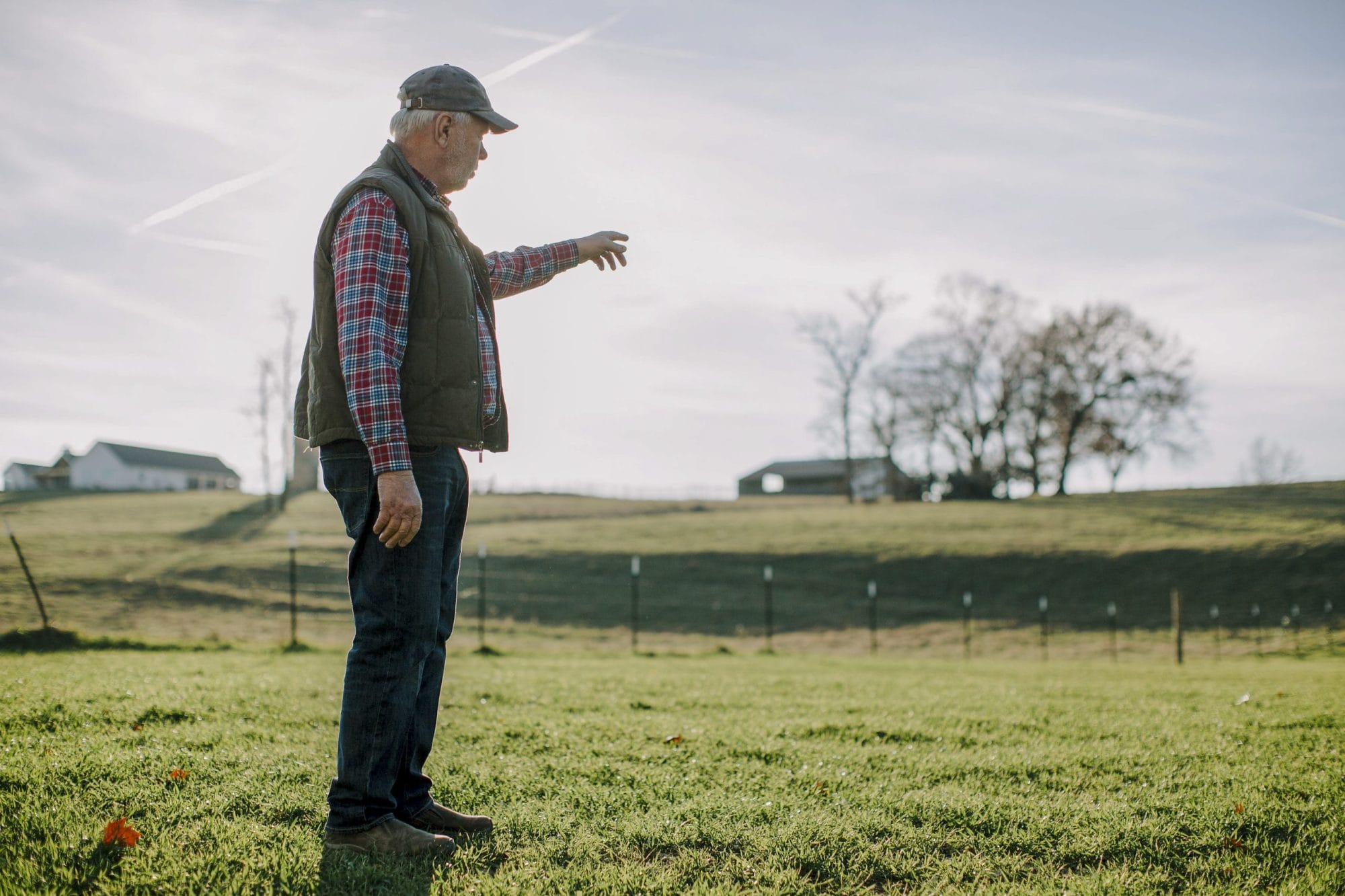
Northwest Arkansas is one of the most consequential regions in America’s food system.
It’s home to Tyson Foods, the nation’s largest meat company that completely transformed poultry production and shaped the American diet.
This region is also home to the corporate offices of Walmart, the nation’s largest grocery store chain. About 90% of Americans live within 10 miles of a store.
Decisions made by these companies have an outsized impact on how Americans get much of their food.
But how have these corporate food giants, especially Walmart, impacted the agriculture sector in Northwest Arkansas? That’s the focus of this week’s feature story, written by Arkansas-based journalist Jordan Peter Hickey.
Walmart is building a new corporate headquarters, which has raised land prices and caused the loss of farming acres.
Dozens of Northwest Arkansas farmers — many of whom work “century farms” — told Hinkle farming is no longer financially viable in the area, and that they’ve discouraged the next generation from taking up the work.
“We can't afford to keep the land when it's so valuable,” said Dan Douglas, a cattle and hay farmer whose family has farmed in Benton County for 170 years.
From 2002 to 2022, farmland in Benton County decreased by nearly a third, according to the USDA’s most recent Census of Agriculture.
But does Walmart have an answer? The company is currently building the Market Center of the Ozarks, which aims to help local farmers and ranchers expand their business. The big question is whether it’s already too late.
You can read this story here.
— Ben Felder, editor in chief
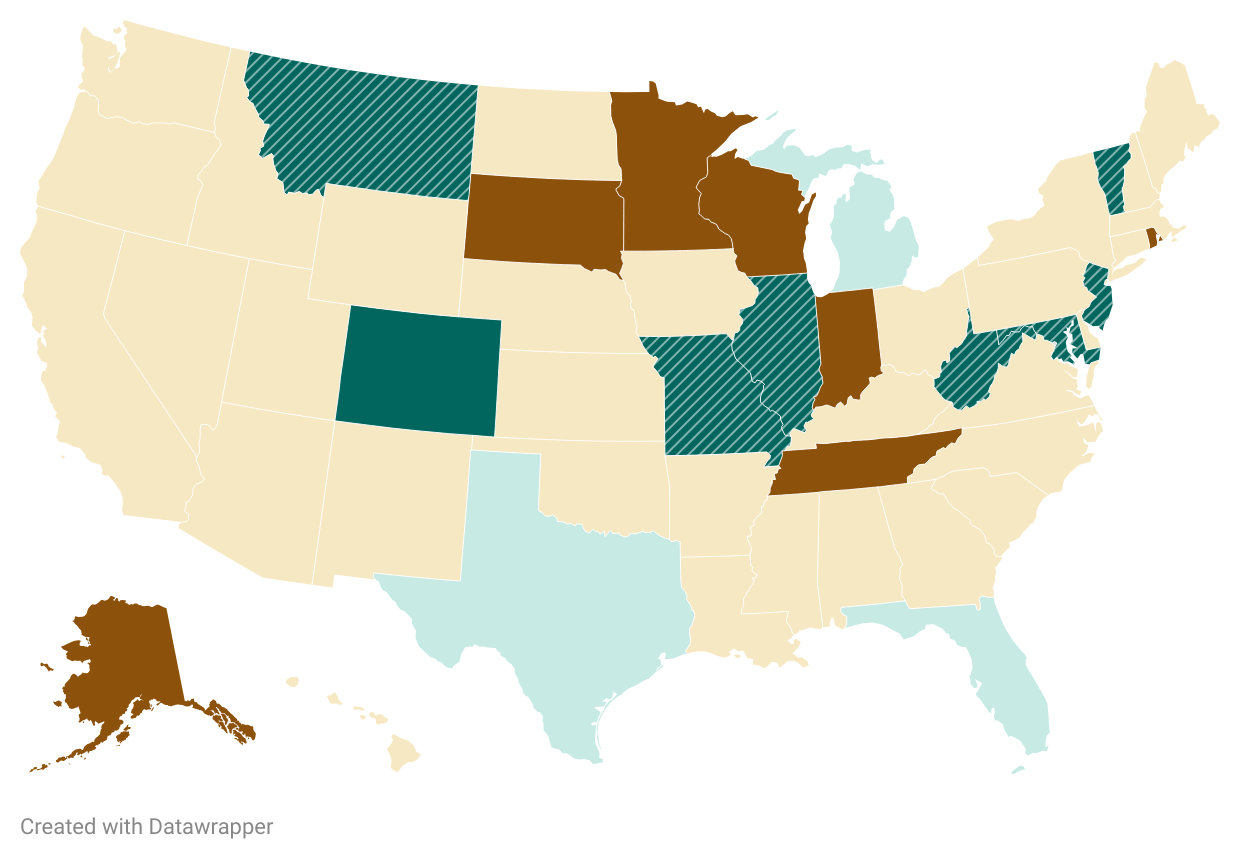
More than a dozen states have introduced bills to establish right-to-repair agricultural equipment legislation in the first two months of 2025.
The bills come on the heels of a lawsuit filed by the Federal Trade Commission and a coalition of several state attorneys general against John Deere & Co. for unfair manufacturer repair policies, which they say have for decades hindered competition, inflated farmers’ repair costs and degraded farmers’ ability to obtain timely repairs.
View the map here.
OPINION: Reduce salmonella outbreaks in the US
ByDave Dickey, Columnist
You may not be aware of it, but when you purchase raw or processed chicken at the grocery store there’s a chance it’s brimming with salmonella.
The Centers for Disease Control and Prevention estimates 1.35 million people in the U.S. get sick from salmonella annually, with more than 26,000 hospitalized and 420 deaths.
Of that number, the United States Department of Agriculture’s Food Safety and Inspection Service estimates there are 125,000 chicken and 42,000 turkey associated salmonella food-borne illnesses each year.
In May of 2024, a major salmonella outbreak linked to backyard poultry resulted in 470 illnesses, 125 hospitalizations and one death across 48 states.
Unfortunately for the feds, while Big Poultry has worked to lower poultry contamination rates in recent years, those efforts haven’t reduced salmonella illnesses to meet U.S.national goals.
So it would seem prudent to enact regulations that might decrease the amount of salmonella-laced poultry reaching the meat counter.
Read more.
ICYMI: Disappearing farmland
By Christopher Waljasper, Investigate Midwest
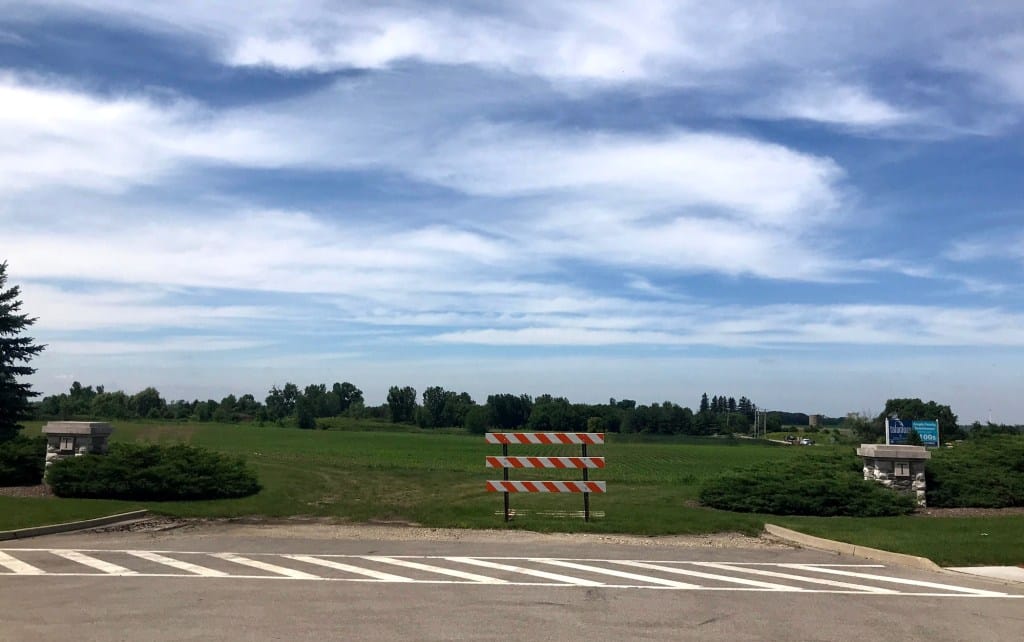
In 2018, Investigate Midwest reported on the rapid loss of U.S. farmland — 31 million acres gone since 1992. The forces behind it — urban sprawl, rising land prices, and corporate expansion — haven’t slowed.
Our latest investigation into Northwest Arkansas' farmland crisis shows the same pressures at play, where Walmart’s presence has driven rapid development, forcing farmers to weigh tradition against soaring land values and million-dollar buyout offers. Read our 2018 report for context, then see how farmland continues today.
Read more.
Stories from our media partners:
One senator's lonely quest to make the farm bill more sustainable— Grist
Investigate Midwest is now on Bluesky!
Follow us at @investigatemidwest.bsky.social.
Investigate Midwest is an independent, nonprofit newsroom. Our mission is to serve the public as a watchdog over influential agricultural corporations and institutions through in-depth and data-driven investigative journalism.