As Walmart expands into beef, ranchers fear a new kind of monopoly
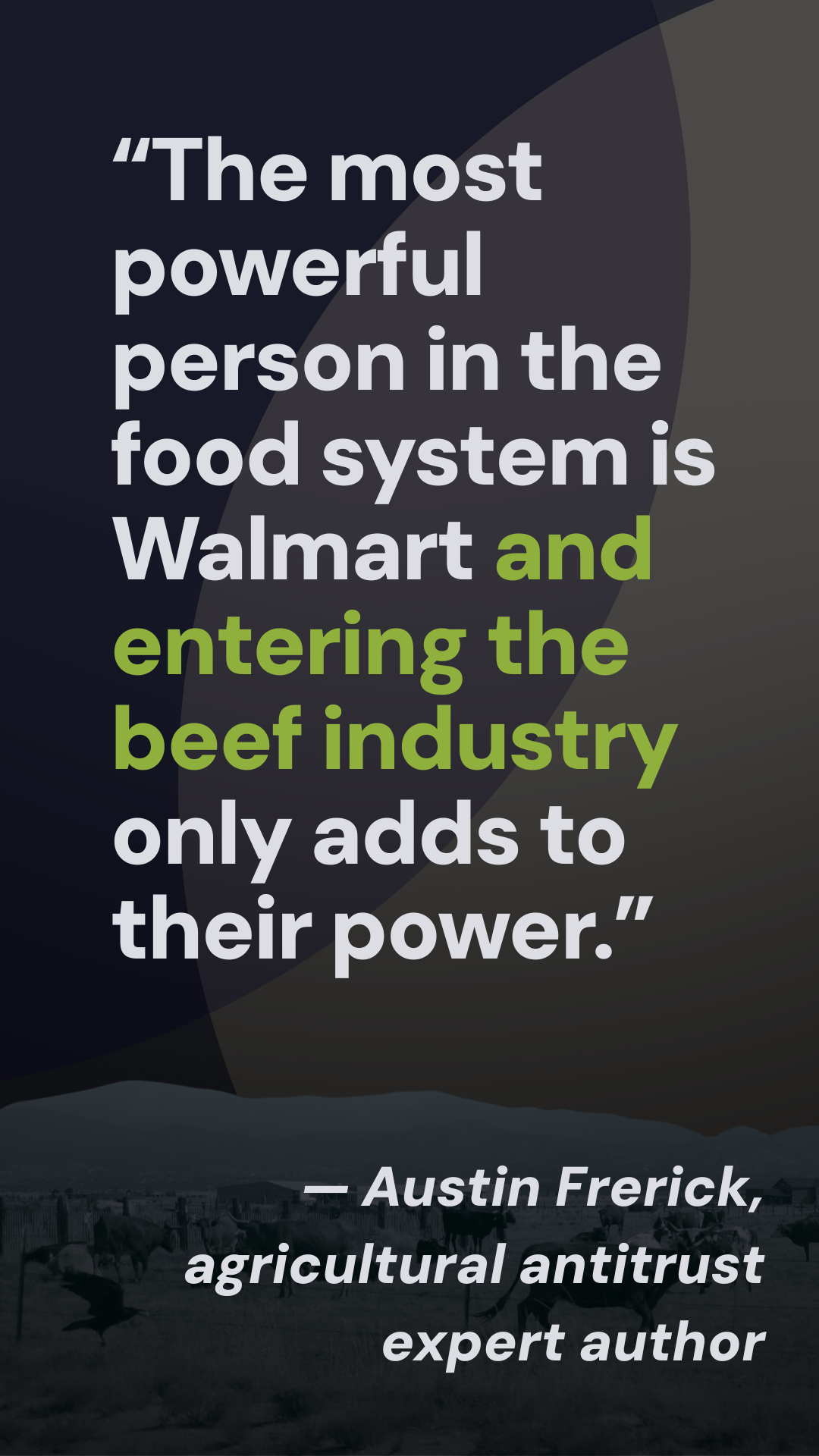
Walmart is one of the most consequential corporations in the food system. As the nation’s largest grocery retailer, it holds enormous power among food producers and consumers. Now, that power is expanding into the meat industry.
Earlier this year, Walmart opened a beef processing plant in Kansas, enabling it to purchase cows directly from ranchers, rather than relying solely on meat companies like Tyson Foods.
It could bring a little more competition to a beef industry currently controlled by just four companies. But industry insiders also believe it could eventually drive down rancher profits, as Walmart has a history of paying as little as possible for the products it sells.
In this week’s feature story, meat-industry reporter John McCracken takes a closer look at Walmart's new beef processing plant and the worries some ranchers have.
This story also examines the cattle industry as a whole, which is struggling with declining herds and the growing influence of Brazilian meat producer JBS.
— Ben Felder, editor-in-chief

DATA HARVEST: Where do your pumpkins come from? Illinois keeps the crown
By Mónica Cordero, Investigate Midwest
Just over a third of all pumpkins in the United States – 485 million pounds – come from Illinois, according to annual USDA surveys.
Much of that production centers on Morton, a village in Tazewell County that proudly calls itself the “Pumpkin Capital of the World.” About 85% of the world’s canned pumpkin is packed at the Nestlé/Libby’s plant in the middle of town.
OPINION: USDA’s new SNAP rules sound healthy. Until you read the fine print.
By Dave Dickey, Investigate Midwest
On the face of it, this appears to be a win for SNAP participants — more choices with an emphasis on healthy food items.
But the devil is in the details. For some current retailers the proposed new stocking rules are going to be difficult, if impossible, to meet.
Smaller retailers may struggle to increase fruits and vegetables, dairy, grain, and protein offerings from 12 to 28 total. Retailers who can't cut the mustard will surely be dropped as SNAP providers.
Other small retailers are likely to pass on additional SNAP stocking costs to their customers, increasing their grocery bills.
ICYMI: Can farming survive in Walmart’s backyard?
By Jordan P. Hickey, for Investigate Midwest
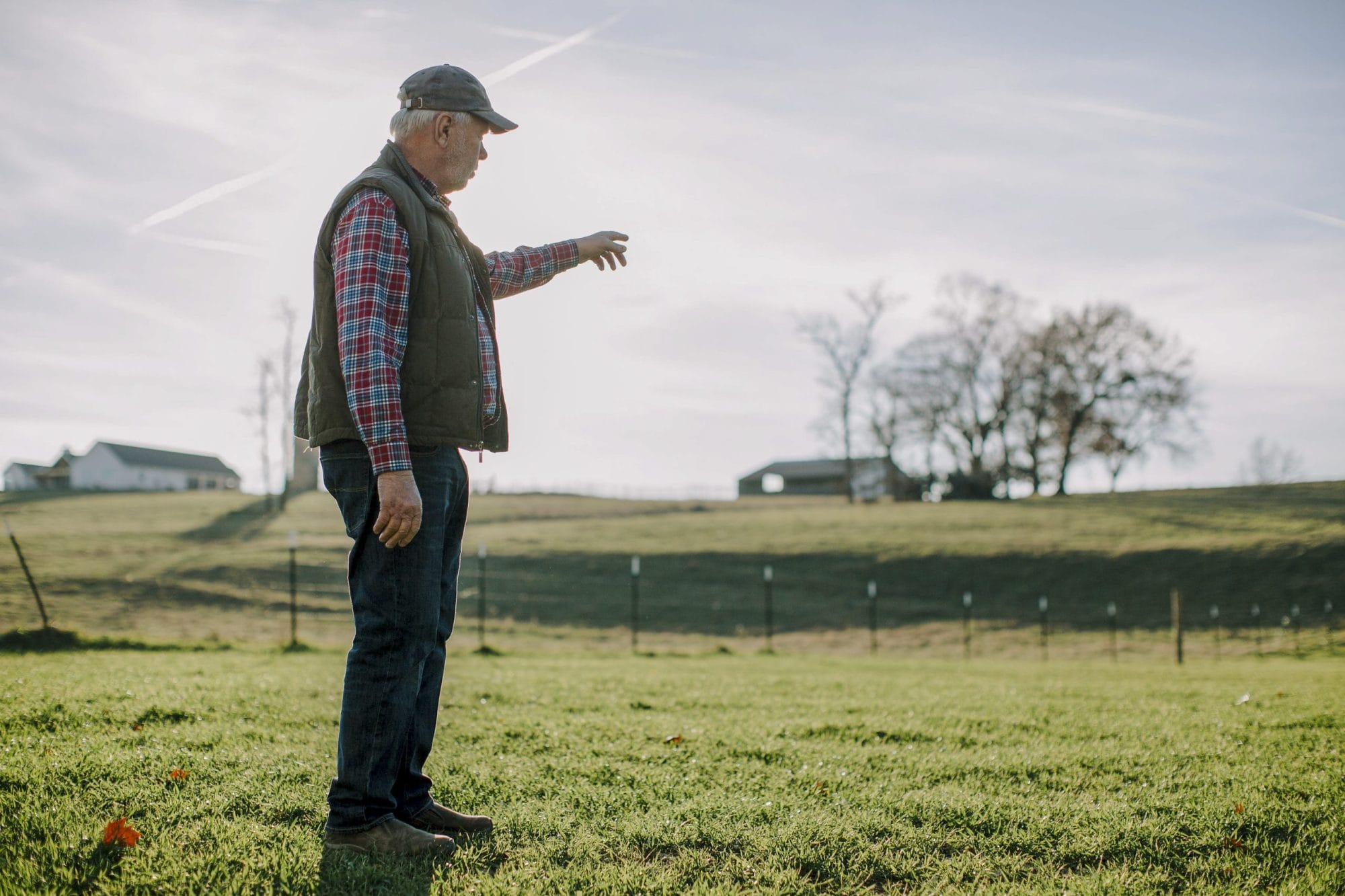
In March, we examined how Walmart’s growth reshaped the farms surrounding its Bentonville, Arkansas headquarters. This week’s story follows that thread, exploring how the retailer’s new beef plant could deepen corporate control over America’s food system.
Connect with us on social media!
Meet John McCracken. Based in Green Bay, Wisconsin, John covers the industrial meat industry for Investigate Midwest. His award-winning reporting digs into agriculture’s impact on...