May 9, 2024 The Midwest Center For Investigative Reporting
‘I guess they don’t care’: Tyson canceled their contracts. Now they're millions in debt.
Last year, in a cost-cutting initiative, Tyson Foods, one of America’s largest meat companies, shuttered six chicken processing plants across the country.
The collateral damage were the growers who raised Tyson’s chickens. With the plants closing, they face massive amounts of debt and few options to pay it back. Some growers said they borrowed nearly $2 million to build barns specifically tailored to Tyson’s needs. The company even asked some growers to take on more debt to upgrade their facilities.
Growers are now staring down bankruptcy and foreclosures. One grower told Investigate Midwest he “stands a chance to lose everything.”
— John McCracken, meat industry reporter
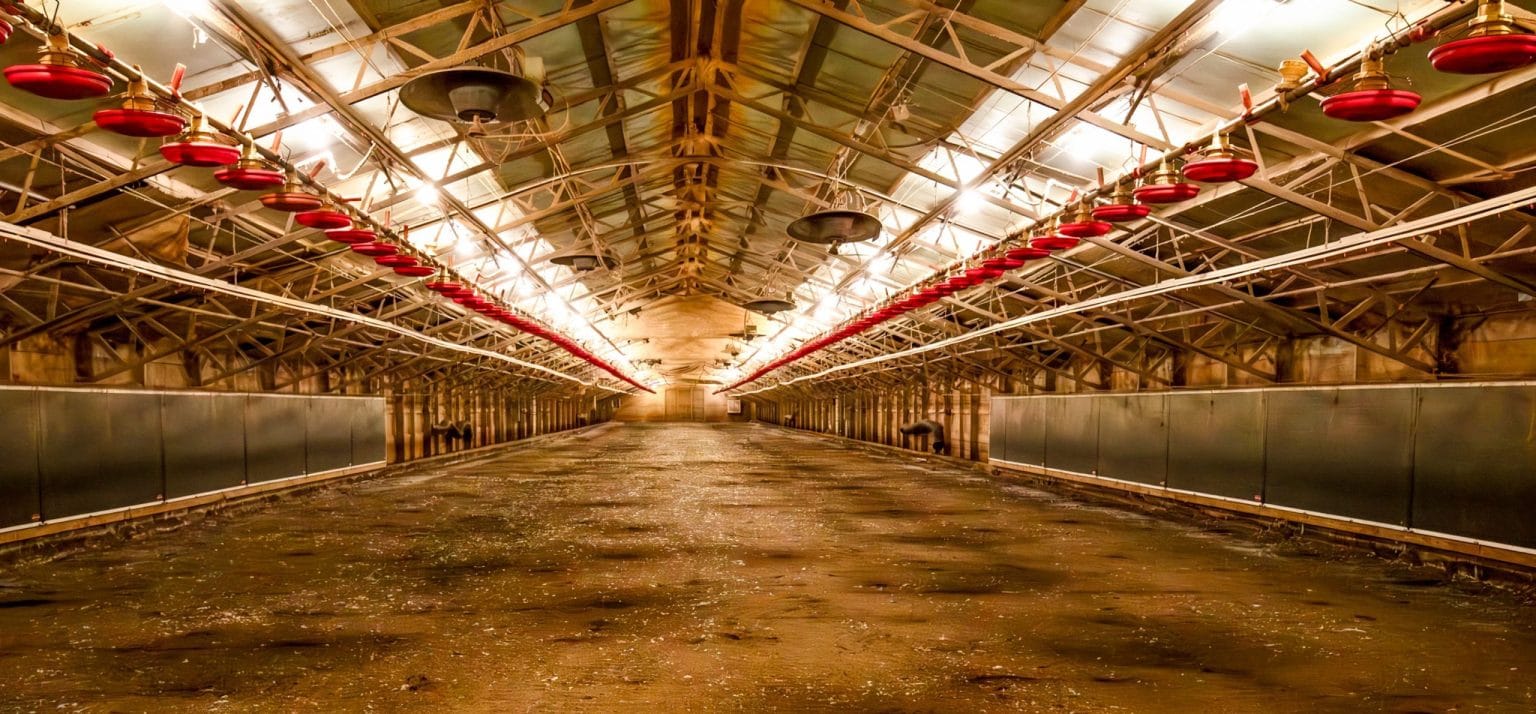
Early morning calls. Empty chicken barns. Millions in debt.
By John McCracken, Investigate Midwest
Timothy Bundren must have heard wrong.
The sun wasn’t up yet. He was still groggy from starting his morning routine of walking through chicken barns. His phone rang and his contact with the global meat company headquartered in Springdale, Arkansas, just two hours south of his farm, started telling him he would no longer be raising chickens.
Bundren, 52, didn’t believe him at first. Just hours later, he was supposed to meet with the bank about another loan to buy the farm down the road.
Tyson Foods closed four meatpacking plants that day.
Bundren and other growers affected by the closures have been caught in the wake of a larger, company-wide initiative to cut costs. But that has left some growers with more than a million dollars in debt — debt accumulated at Tyson’s urging — and few options to pay it back, according to growers Investigate Midwest interviewed.
Read more.
GRAPHIC: USDA has received nearly 1,000 complaints about operations selling 'organic' products without certification in recent years
By Sky Chadde, Investigate Midwest
The “organic” label often hikes prices consumers pay at grocery stores, and more and more farms are trying to become organic certified by the U.S. Department of Agriculture. But the increase in popularity can mean the agency has to, in its words, protect the “integrity of the USDA organic seal.”
Since 2019, the USDA has received almost 1,000 complaints that operators selling organic products — i.e., not genetically modified or with the aid of pesticides — were not what they claimed.
View the graphic.
OPINION: Money talks while 'no antibiotics ever' pledges walk
By Dave Dickey, Columnist
This week Dave Dickey tackles how many in the chicken industry and fast-food chains are reversing course on pledges of never using antibiotics. He writes:
"No antibiotics ever isn’t as simple as turning on a light switch. There’s a steep learning curve, the need for better disease control, and consistent high-quality feed, not to mention reductions in stocking densities. The list to the 'No Antibiotics Ever' promised land is endless.
"If all that sounds expensive, it is. And yes, chicken would cost more both at wholesale and retail. That being said, getting all — ALL — of Big Meat and restaurants and grocery stores on board a 'no antibiotics important to human medicine' standard for food animal production should be the realistic goal for USDA and the FDA. If not voluntarily, then legislatively."
Read more.
News from our partners
EPA in the crosshairs. by Delaney Dryfoos, The Lens
Investigate Midwest is an independent, nonprofit newsroom. Our mission is to serve the public as a watchdog over influential corporations and institutions through in-depth and data-driven investigative journalism.