April 10, 2025 The Midwest Center For Investigative Reporting
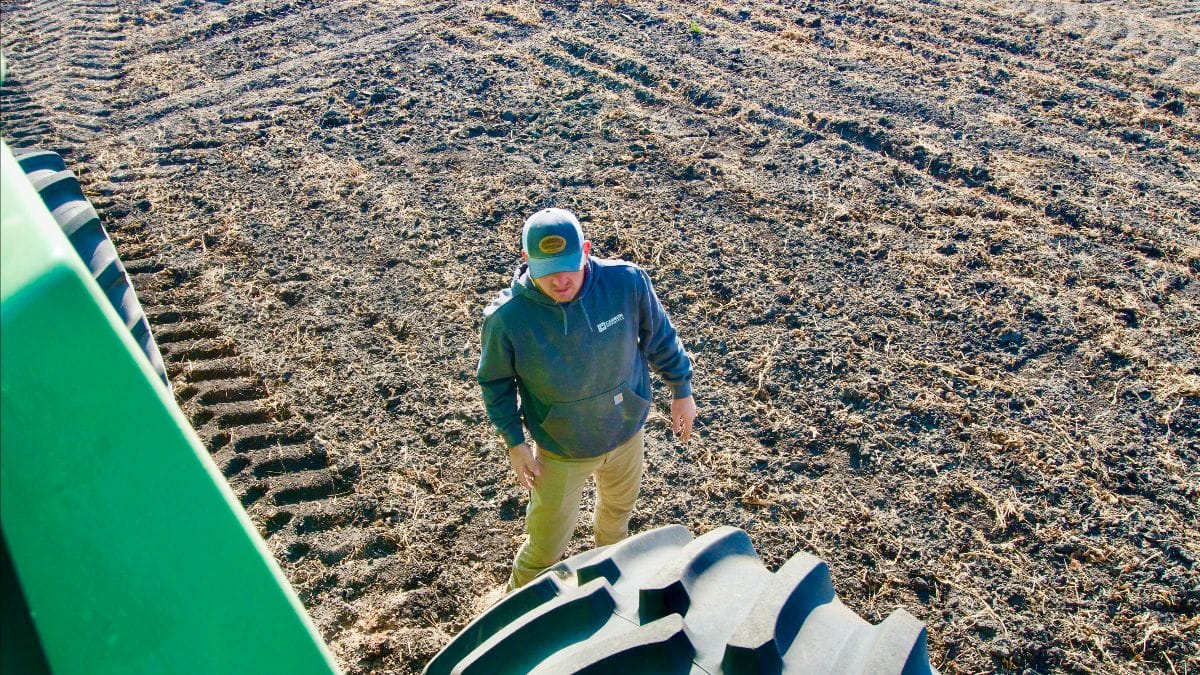
Raising tariffs could shut US soybean farmers out of a crucial export market
President Donald Trump’s latest tariff increase — and retaliatory tariffs from other countries — has many farmers bracing for a drop in exports. In response to those concerns, Trump has encouraged farmers to sell more of their products to U.S. customers.
For America’s soybean farmers, that’s not an option.
This week’s feature story from Mónica Cordero takes a closer look at the soybean industry, the nation’s second-largest crop, and how the current trade war with China could bring economic devastation.
“You can’t replace that China market overnight,” said Josh Gackle, a fourth-generation farmer in south-central North Dakota. “It’s just such a big, big part of the picture that we, as farmers, need to try to make sure that we can continue to work with China and the buyers there.”
In North Dakota alone, retaliatory tariffs from China could decrease the state’s soybean exports by 60%, according to a recent study.
Monica’s story also looks at how China shifted much of its soybean imports to Brazil during Trump’s first-term trade war.
In 2016, Brazil supplied 46% of China’s soybean imports. By 2024, it had captured 71% of the market. Over the same period, the U.S. share fell by more than a third.
This is an important story at a time when Trump’s trade war is bringing significant change to the nation’s agriculture market. Read more here.
— Ben Felder, editor in chief
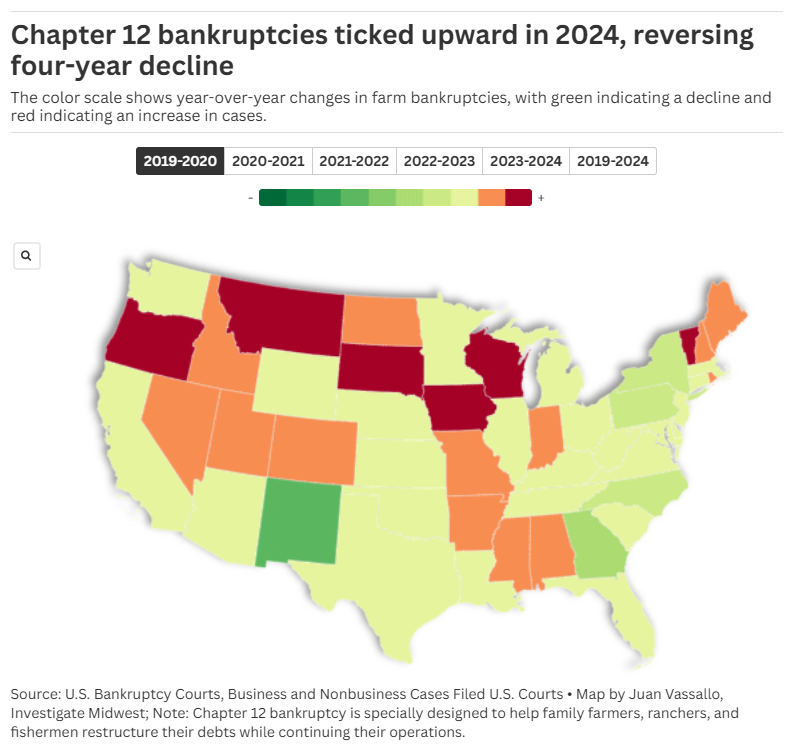
Data Harvest: Farmer bankruptcies doubled in 2024. Trump’s trade war is adding to their financial uncertainty.
By Juan Vassallo Investigate Midwest
The financial picture for American farmers took a hit in 2024. Net farm income dropped to its lowest point in four years, farmland values started to cool, and across much of the Midwest, the number of farm loans at serious risk of default climbed to the highest level since 2020.
Adding to the strain, bankruptcies among U.S. farmers rose 55% last year after a four-year decline — a drop in part driven by pandemic-related federal aid that kept many farms afloat during years of uncertainty.
Interact with the map here.
OPINION: The EPA’s crusade against climate science is a fool’s errand
By Dave Dickey, Columnist
The nation’s climate denier-in-chief, President Donald Trump, has wasted no time throwing monkey wrenches into federal efforts to reduce greenhouse gas emissions. That includes scrubbing websites.
The Environmental Data and Government Initiative reports the feds have already deleted climate change language from more than 200 websites, including the Environmental Protection Agency. But buried deep in the EPA web pages, unreachable from the home page, is EPA’s Climate Change Impacts page.
The EPA’s website update from March 3 warns us that climate change is a threat to water, food and air quality as well as mental health and well being.
No doubt the EPA would love to take down those climate change website warnings ASAP.
Read more here.
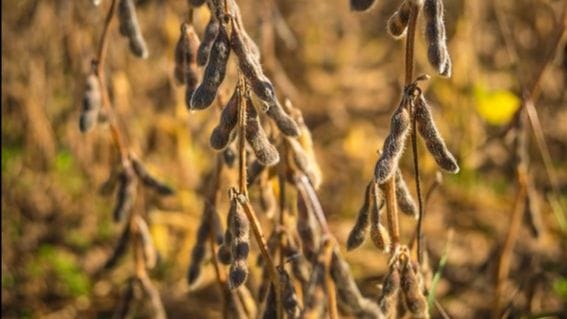
ICYMI: Midwest farmers advocate for steady policies amid trade challenges
By Mónica Cordero, Investigate Midwest
Last fall, reporter Mónica Cordero spoke with Midwest farmers who said they feared another Trump term would bring back the trade war — and with it, more financial strain. At the time, Trump was on the campaign trail, promising steeper tariffs and fewer trade agreements, while farmers asked for stability, not confrontation.
Now, with retaliatory tariffs taking place and China suspending soybean imports from U.S. firms, those warnings are reality. Our feature story shows how Trump’s escalating trade tactics are already hitting soybean growers, and how global competitors like Brazil are stepping in to take over lost markets.
Revisit our October 2024 story to understand what farmers were already bracing for, and how today’s policy shifts are reshaping U.S. ag exports in real time.
Read more.
Stories from our media partners:
- ‘Clean water,’ ‘equity,’ ‘microplastics’ and other words banned in leaked USDA memo, Barn Raiser
- After efforts to address historic discrimination, future federal programs to help Oklahoma Black farmers are in question, The Frontier
Investigate Midwest is an independent, nonprofit newsroom. Our mission is to serve the public as a watchdog over influential agricultural corporations and institutions through in-depth and data-driven investigative journalism.