June 19, 2025 The Midwest Center For Investigative Reporting
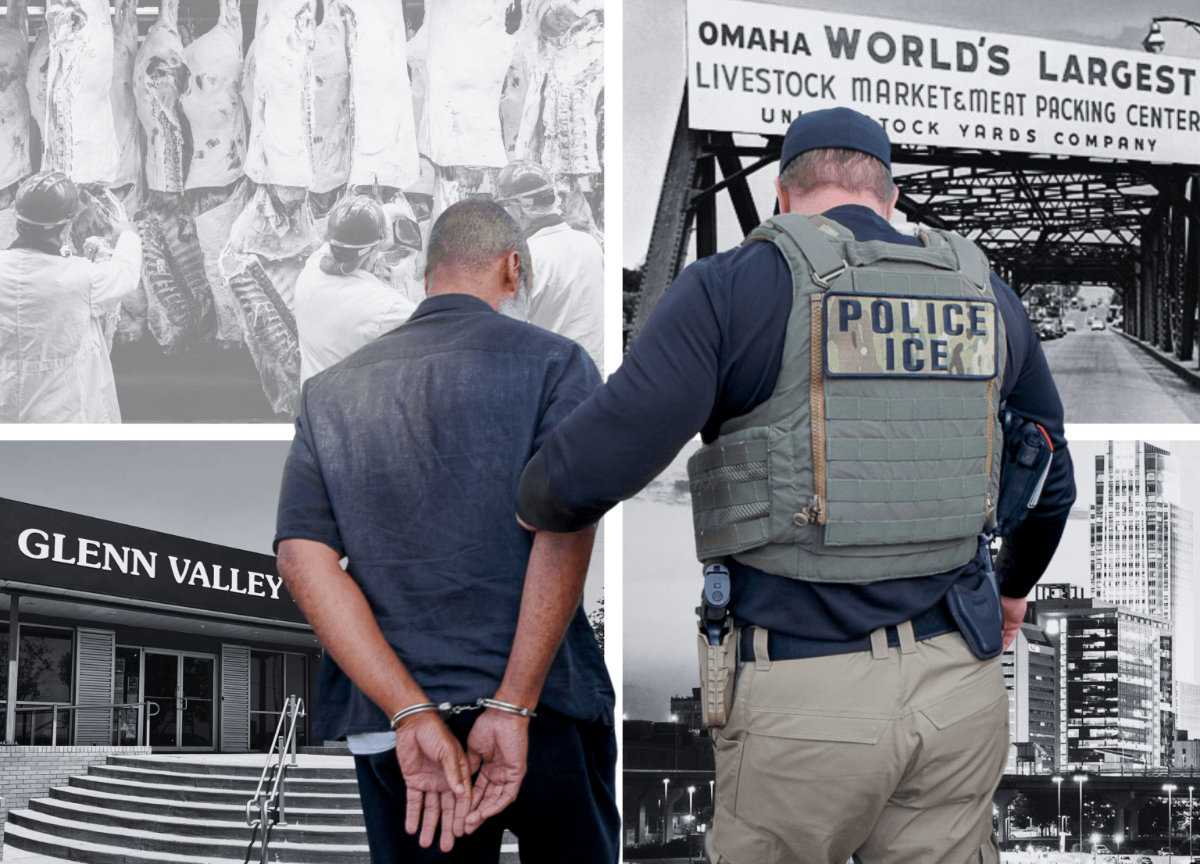
Whirlwind of policy changes leave communities reeling from raids
Last week, the Trump administration’s deportation efforts hit the nation’s agriculture sector.
Raids took place at crop fields, dairy farms and meat-packing plants.
However, at the end of the week, President Donald Trump said he’d heard criticism from agriculture leaders and ordered agents to no longer target the agricultural industry, which relies on undocumented workers for more than 40% of its labor.
It's been a whirlwind of policy changes but several communities are still reeling from recent raids. This week, I wrote about one of those communities, South Omaha. This neighborhood once produced more meat than any other in the nation. Consolidation and automation saw its meat-packing numbers decline in the second half of the 20th century, but the neighborhood remains a meat-packing hub and is home to many immigrants from Mexico and Central America.
On June 10, federal agents raided the Glenn Valley Foods meat-packing plant and arrested around 74 workers.
“It’s just this overwhelming sense of helplessness,” said Ron Hug, an Omaha councilmember who represents the city’s southside, who spoke with me about how the South Omaha neighborhood is trying to support families of those arrested.
Many in the nation’s meat industry agree that the immigration system is broken. But they also see a need for more immigrant workers, not fewer.
To help you navigate the news cycle related to immigration in the agriculture sector, Investigate Midwest has also published an Immigration Tracker, which is updated multiple times a day. I’d encourage you to bookmark this page.
— Ben Felder, editor in chief
DATA HARVEST: USDA data highlights monopoly risk in rural grocery markets
By Lauren Cross, Investigate Midwest
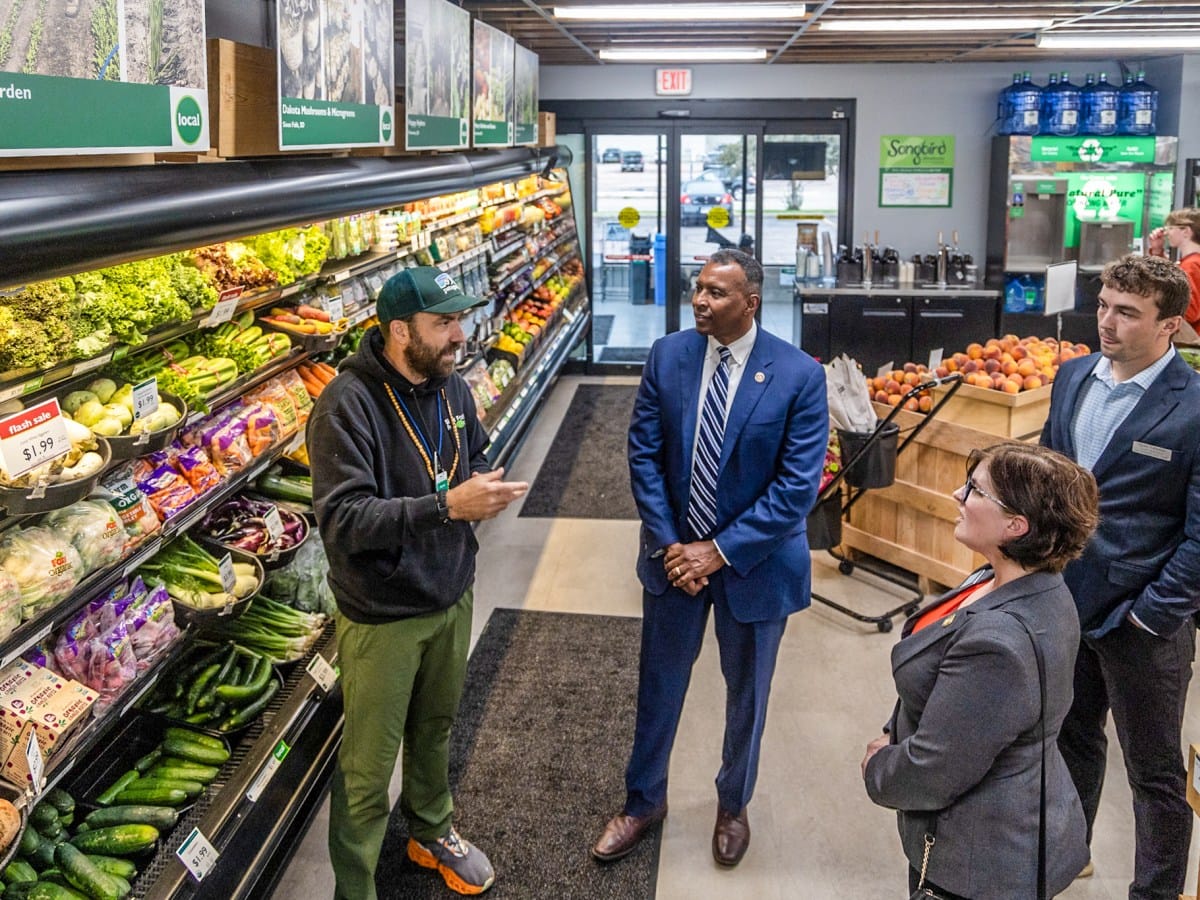
If you live in a small town, you probably have fewer grocery stores than you did 30 years ago — and fewer choices inside them.
Independent grocers have disappeared, replaced by big national chains that now decide what’s on the shelves, how much it costs, and who gets to profit.
In 1990, the top four grocery chains controlled just 13% of nationwide sales. By 2019, the top four retailers — Walmart, Kroger, Costco, and Ahold Delhaize — controlled 34% of U.S. grocery sales, according to the USDA.
View the chart here.

OPINION: Make American Healthy Again Commission won’t target glyphosate
By Dave Dickey, Columnist
It’s fair to say Big Ag in general, and in particular, pesticide producers — most notably those that manufacture chlorpyrifos and glyphosate — have been freaking out over a Making America Healthy Again Commission strategy report due out later this summer.
On the surface, the concerns certainly seem justified. U.S. Health and Human Services Secretary Robert F. Kennedy, Jr. has fought against the pesticide industry for years, and he was one of Dewayne Johnson’s attorneys in a 2018 groundbreaking case against Roundup producer Monsanto.
So when the POTUS signed an executive order this past February establishing the Make America Healthy Again Commission and tasked it with producing a report that, in part, shall “…assess the threat that potential over-utilization of medication, certain food ingredients, certain chemicals, and certain other exposures pose to children…,” herbicide producers’ panic levels were probably initially through the roof. DEFCON 1.
The MAHA Commission issued an introductory report in late May. And … it wasn’t an all-out assault on the pesticide industry. On the other hand, it didn’t do much to staunch the fears of Bayer and its herbicide producing kin.
Read more here.
ICYMI: How the presidential election could alter life for immigrant farmworkers.
By Sky Chadde, Investigate Midwest
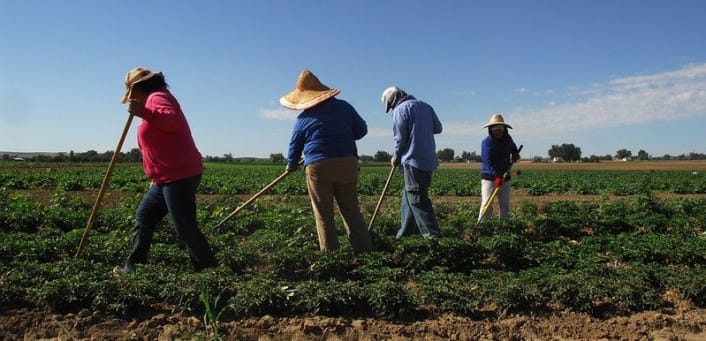
This week, the Trump administration abruptly reinstated mass deportation enforcement at agricultural worksites, reversing a short-lived pause that had shielded labor-reliant sectors. This flip‑flop has jolted farmers, unions, and workers' groups. Sky Chadde’s story, published ahead of the 2024 election, warned that a second Trump term could bring this kind of aggressive enforcement.
Read more here.
Investigate Midwest is an independent, nonprofit newsroom. Our mission is to serve the public as a watchdog over influential agricultural corporations and institutions through in-depth and data-driven investigative journalism.