Nov. 13, 2025
How global seed giants are rooted in Puerto Rico
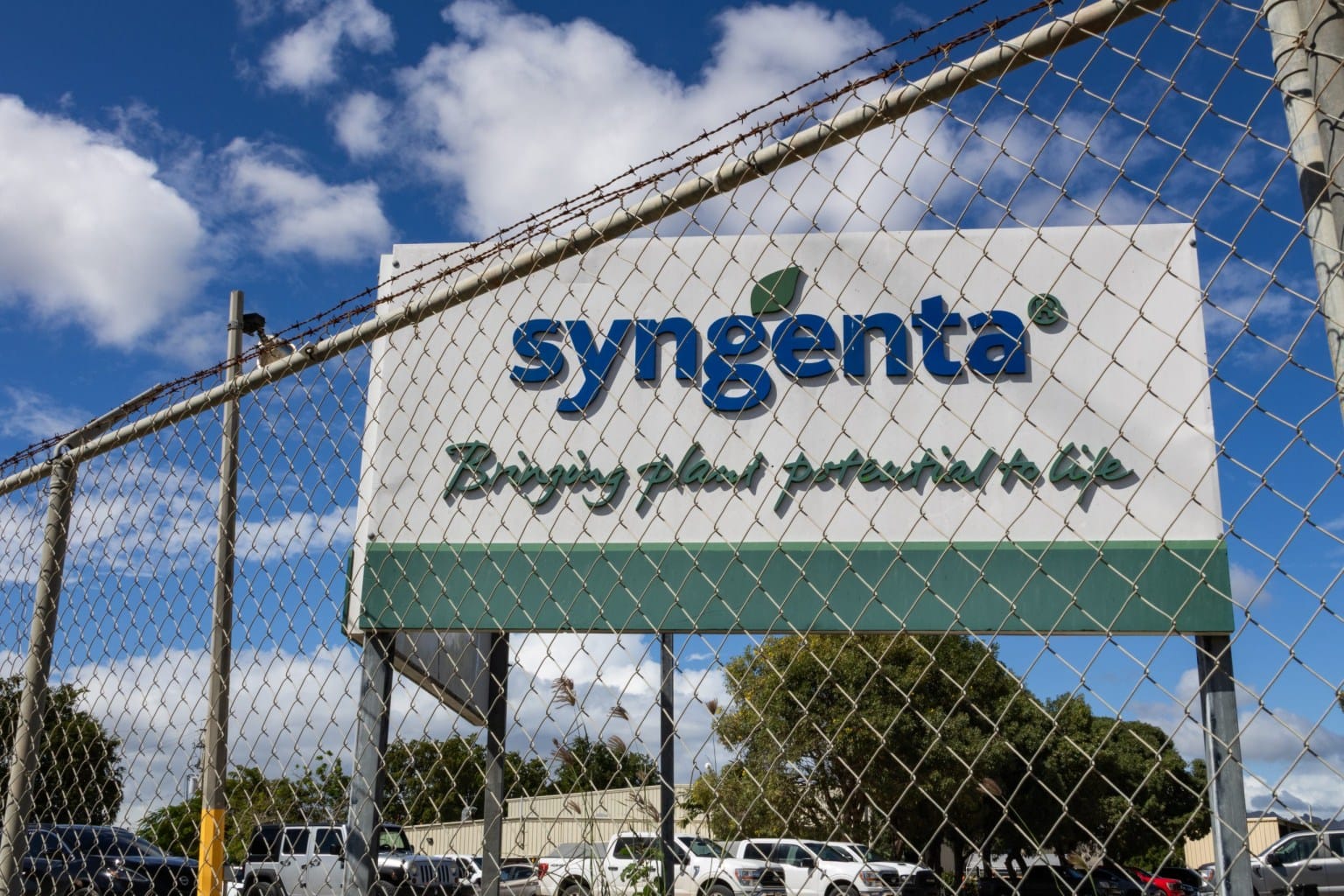
More than one-third of the world’s corn comes from the American Midwest, but much of the Corn Belt’s origins begin thousands of miles south, in Puerto Rico. Global seed companies like Bayer, Corteva and Syngenta have long flocked to this warm climate to test and breed the genetically engineered seeds that fuel America’s corn economy.
The island has become an indispensable link in the global seed supply chain — 85% of the world’s seeds pass through Puerto Rico at some point — yet the benefits for Puerto Ricans themselves are harder to see. While the corn seed giants benefit from generous tax incentives, Puerto Rico’s food system remains fragile, importing roughly 85% of what it eats.
This week’s feature story looks at how the U.S. corn industry’s success is tied to Puerto Rico. It also looks at the complaints some locals have about the impact on the island’s agriculture, labor and environment.
“They don’t produce food, but they are using the resources that we need to produce food,” said Magha Garcia, an organic farmer in Puerto Rico.
— Ben Felder, editor-in-chief

‘Water: The Current of Life’ — meet tonight’s storytellers
Tonight, Investigate Midwest will host five storytellers at its Fall Live Storytelling event. You can learn more about them here and get your tickets here.
Twice a year, we hold storytelling events in Iowa. It’s a different theme each time, and tonight our storytellers will share personal accounts about how water — essential to life — has impacted their lives. This is particularly timely as Iowa continues to face a water quality crisis in much of the state.
The event, to be held at Trumpet Blossom in Iowa City, will be emceed by Iowa Public Radio’s Charity Nebbe, and recorded for broadcast on “Talk of Iowa.” Doors open at 5:30 p.m. The evening will also include a trivia contest, live music and silent auction supporting Investigate Midwest’s IowaWatch newsroom.
We hope to see you there!
Oklahoma officials clash over Tyson pollution case
By Juan Vassallo, Investigate Midwest
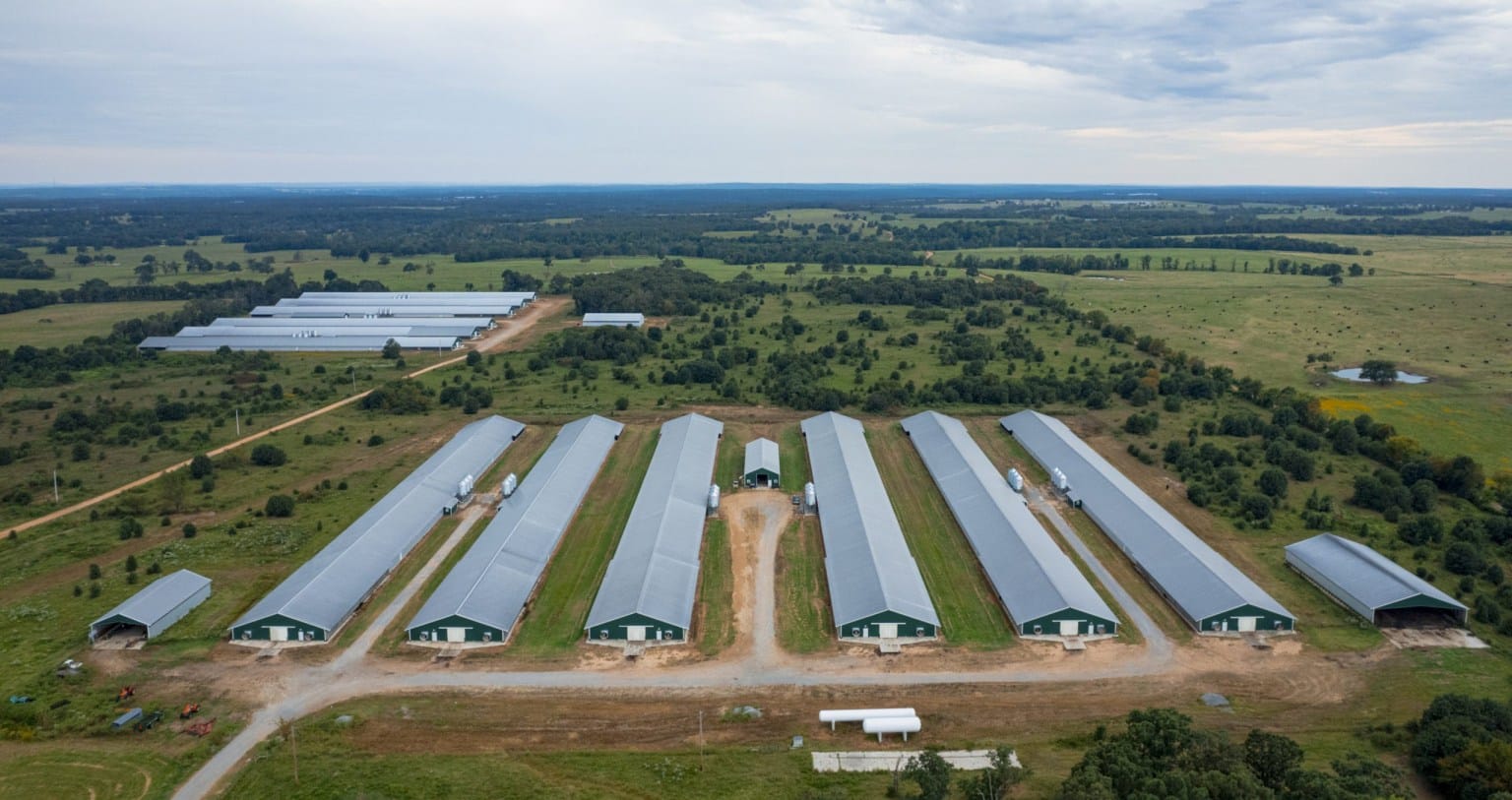
Oklahoma’s attorney general has asked a federal judge to keep the state’s governor out of a long-running lawsuit against Tyson Foods and other major poultry companies.
The lawsuit, filed by the state in 2005, accused several poultry companies of polluting the Illinois River Watershed in eastern Oklahoma with phosphorus from chicken waste spread on fields as fertilizer. In 2023, U.S. District Judge Gregory Frizzell ruled in favor of the state but ordered each side to negotiate damages.
This year, Attorney General Gentner Drummond asked Frizzell to impose penalties exceeding $100 million on the companies, including Tyson, Cargill and Simmons Foods.
But last month, Gov. Kevin Stitt sought to intervene. He asked the judge to force both sides to “renew their settlement efforts.” Stitt has publicly criticized the lawsuit and, in 2024, signed a law shielding poultry companies from certain lawsuits.
Last week, Drummond filed a motion asking Frizzell to deny Stitt’s request and to move forward with a final ruling. He also accused Stitt of “cherry-picking” language from a recent Oklahoma Supreme Court decision to justify his involvement.
DATA HARVEST: Farmers were exposed to roughly 2x as many pesticides as general population in EU study
By Lauren Cross, Investigate Midwest
Farmers in a newly published Europe-wide study were exposed to about twice as many pesticides as the general population — but researchers also found that people with no ties to agriculture carried residue from dozens of chemicals over the course of a week.
Silicone wristbands were used to measure exposure by capturing traces from air and skin contact in 641 participants, according to the study. Each wristband — worn for one week during the 2021 growing season across 10 European countries — was tested for 193 pesticide ingredients. The study authors did note some limitations: the 7-day snapshot shows how many pesticides people encountered, not how much or what health risks those exposures might pose.
While the study focused solely on European participants, its findings have implications beyond Europe as many of the same pesticides detected in the study are still widely used in the United States.
OPINION: It’s time for US petroleum-based food dye usage to, well, die
By Dave Dickey, Investigate Midwest
It wasn’t until 1906 that USDA began to get a handle on poisonous and concealing synthetic food color additives with passage of the Food and Drug Act.
But regulation over the years has done little to stem controversies over the safety of synthetic food dyes. Nor has the Food and Drug Administration done much to earn the public trust in the regulation of synthetic dyes.
All of which is leading a number of states, notably West Virginia, California, Utah and Virginia, to pass new laws controlling or banning synthetic food dyes.
The feds also are in the process of creating regulations to remove all petroleum-based food dyes from the market without scientific analysis.
And a surprising number of major U.S. food manufacturers have been falling over one another to get on board.
This is all great news for Americans right? Who wouldn’t eat less colorful Fruit Loops knowing their children are safe from ingesting petroleum-infused food products?
As it turns out, it’s the International Association of Color Manufacturers that in June filed a lawsuit challenging the constitutionality of West Virginia’s new law banning foods and beverages colored with synthetic food dyes.

ICYMI: The quiet data firm now in DOJ’s sights
By Eli Hoff, Investigate Midwest
Back in 2021, reporter Eli Hoff dug into Agri Stats, which was, at the time, a little-known data firm whose detailed production reports were so revealing that one USDA economist asked, “Is this legal?”
For years, meat companies relied on Agri Stats to benchmark competitors’ costs and production. The company has since been named in countless antitrust lawsuits, with allegations that its data-sharing system helped facilitate price-fixing and other anti-competitive behavior — leading to hundreds of millions of dollars in settlements across the industry.
Now, that same company is the target of a Department of Justice lawsuit, accusing it of helping meat giants coordinate prices across poultry, pork, and turkey markets. The case has been temporarily stayed until the federal shutdown ends, but it remains central to how regulators view competition in the meat industry.