In 2025, growers grew more anxious about Brazil’s edge in global soybean markets
President Trump’s tariff-driven trade war has caused financial strain across the agriculture industry, but most farmers and ranchers have expressed confidence that the strategy will eventually pay off.
Now, some of that confidence appears to be slipping.
This week, Investigate Midwest’s Mónica Cordero looked at a recent survey that showed 54% of agricultural producers still expect tariffs to strengthen the agricultural economy. However, that’s a decline of about 4 to 5 percentage points from October and November, according to a Purdue University and CME Group survey.
Those survey results come after China, which had been the U.S.’s largest buyer of soybeans, pivoted much of its buying to Brazil. Mónica recently took a closer look at the pivot and why it could mean a generational shift for American farmers.
Fewer issues have been as consequential for the nation's food system as the global trade war, which is why Investigate Midwest, in collaboration with Mississippi River Basin Ag & Water Desk and the Arkansas Times, is hosting a live virtual panel at noon on Feb. 19, examining how China's global investment strategy and renewed trade tensions are reshaping U.S. agriculture. This free panel will include a particular focus on soybeans and the farmers who depend on export markets.
I’ll be moderating a group of panelists, which you can read more about below. This panel will also include an audience Q&A. I’d love for you to join us!
Live virtual panel: Ag tariffs and trade wars
When: Wednesday, Feb. 19, noon–1 p.m. CT
Where: Online (Zoom)
Cost: Free to attend
Hosted by: Investigate Midwest, in collaboration with the Arkansas Times and the Mississippi River Basin Ag & Water Desk
Register: Eventbrite
Meet our panelists

Mónica Cordero
Data and investigative journalist covering agricultural trade, soybeans, and global supply chains. Her recent reporting examines how China’s investments abroad affect U.S. farmers and rural communities.

Dr. Joan Colussi
Purdue University
Agricultural economist specializing in global crop markets, farm management, and international agriculture. Born and raised in Brazil, she closely tracks South American market trends.
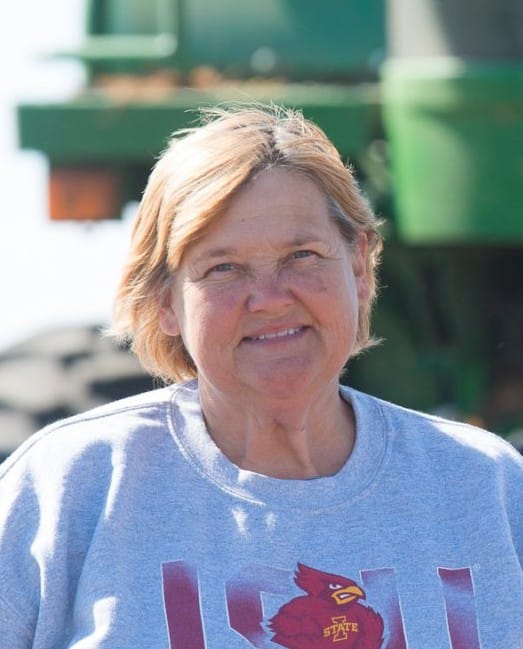
April Hemmes
Iowa farmer
Fourth-generation soybean and corn farmer in north-central Iowa with decades of firsthand experience in global trade and market volatility. A frequent speaker on how trade policy affects U.S. farmers.

Dr. Jared Phillips
University of Arkansas
Writer, historian, and farmer at the University of Arkansas with deep roots in the Ozarks. His work explores organic farming, rural history, and the cultural impacts of agriculture.

Phillip Powell
Arkansas Times
Agriculture and environment reporter at the Arkansas Times covering soybeans, tariffs, and trade policy. His recent work focuses on how global trade decisions impact Arkansas farmers and rural economies.

Ben Felder
Editor-in-chief of Investigate Midwest and longtime agribusiness reporter based in Oklahoma. He will moderate the panel discussion.
OPINION: You can’t gaslight food affordability
By Dave Dickey, Investigate Midwest
Lots of folk who love the Marx Brothers think it was Groucho who famously said in “Duck Soup,” “Who ya gonna believe, me or your own eyes?”
But it wasn’t Groucho. In a delicious irony it was Chico dressed as Groucho leaving Margaret Dumont to ponder what she thinks she saw.
“Duck Soup” reminds me of the President of the United States, who has largely built his political career on a house of cards — imploring the Make America Great Again movement to believe him and not their own eyes.
The great mind-bender-in-chief claimed he could fix the economy on day one of a return to the White House with a “drill, baby, drill” strategy to increase oil production. On the campaign trail, POTUS assured the public he was the solution for higher prices.
It hasn’t exactly worked out that way. And agriculture has been taking it on the chin:
- Future Prices are down, input costs are up.
- Beef prices are projected to increase further in 2026.
- Restaurants face the threat of lost sales.
And then there are soybeans.
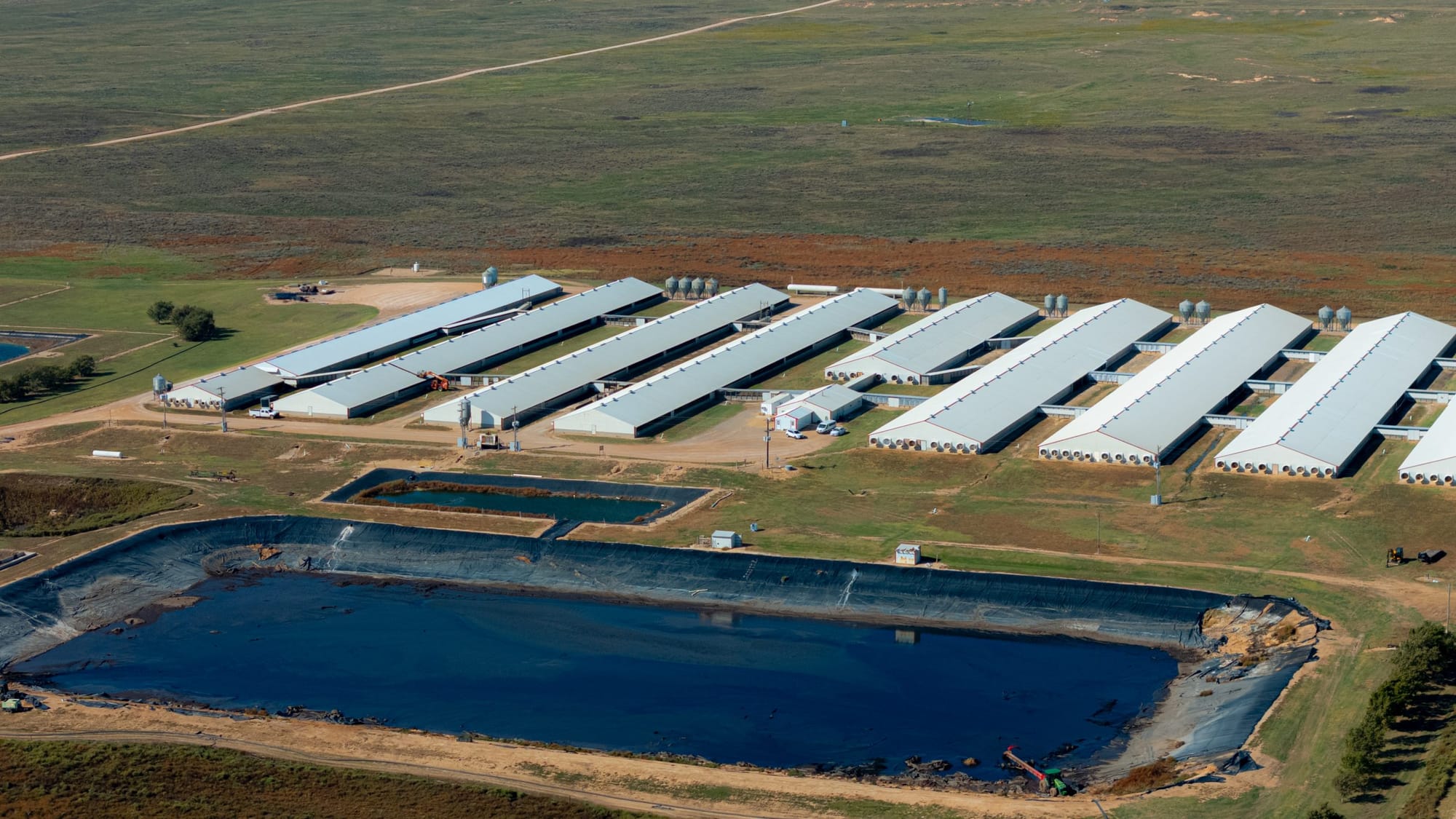
ICYMI: Oklahoma’s Chinese farmland ban
Our most read story of 2025 examines how Oklahoma banned Chinese-owned farmland, but then carved out an exception for Smithfield Foods, a major pork producer owned by China’s WH Group. The reporting shows how the law’s core promise unraveled once corporate interests entered the picture.