May 1, 2025 The Midwest Center For Investigative Reporting
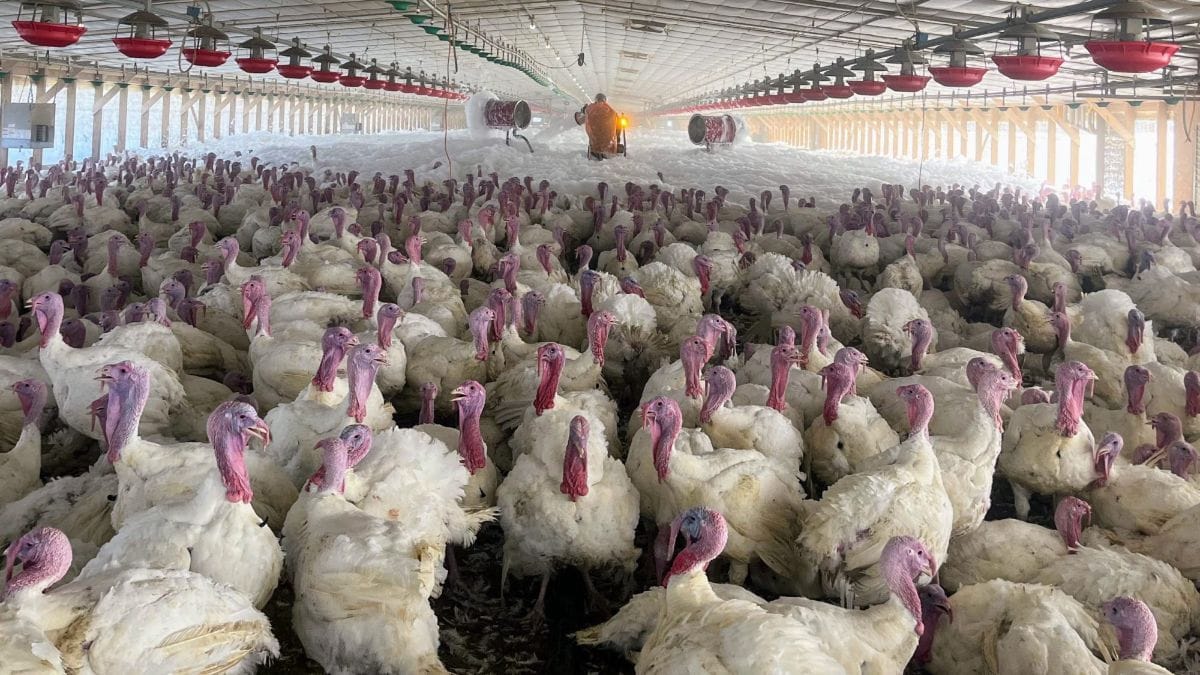
As bird flu spreads, infected flocks are wiped out
For many Americans, the spread of bird flu among the nation’s poultry industry has been most visible through rising prices for eggs and meat.
But behind the egg shortage at grocery stores is the big business of killing millions of infected and exposed chickens, fueled by federal dollars.
This week’s feature story from John McCracken delves into how the massive culling industry includes the potential use of underage workers in hazardous conditions, inadequate worker safety gear, and the use of controversial and potentially inhumane killing methods.
John’s story also highlights specific cases in Colorado and Michigan, revealing the immense scale of the killing operations and the effort to depopulate flocks quickly.
“The biggest factor in agricultural safety is the urgency,” said Bethany Alcauter, director of research and public health for the National Center for Farmworker Health, a Texas-based nonprofit that advocates for worker safety and health. “Everything has to get done in a short amount of time and that really can be problematic because there’s not the same amount of time to adequately train workers.”
— Ben Felder, editor in chief
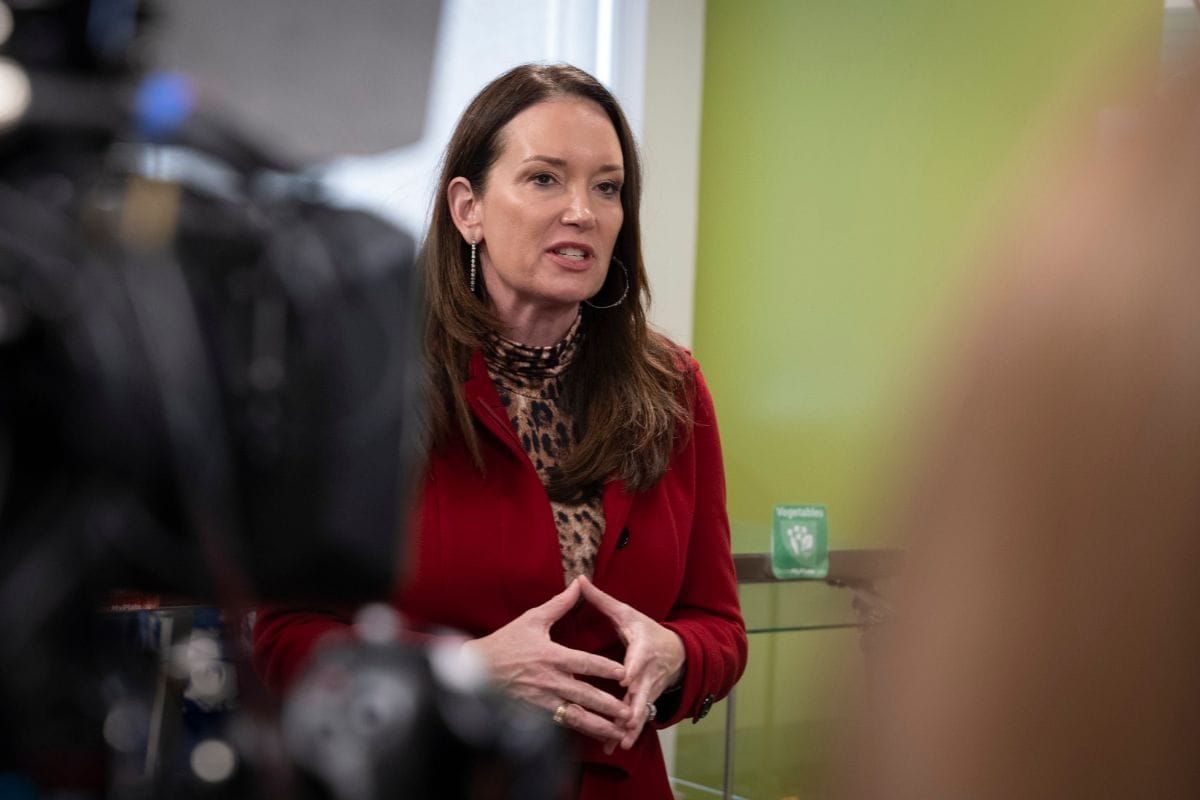
After forcing resignations, USDA tries to walk back staff cuts and calls frontline workers ‘vital’
By Sky Chadde, Investigate Midwest
After forcing the departure of several hundred U.S. Department of Agriculture scientists and inspectors who prevent invasive pest and disease outbreaks, the Trump administration is trying to reverse course and bring some of them back, according to an April 23 email that Investigate Midwest reviewed.
Like other federal agencies, the USDA has tried to drastically reduce its workforce through mass terminations, which judges have reversed, and two rounds of deferred resignation offers that allowed employees to collect pay and benefits for months after stepping down. A top Trump official has said the administration’s goal was to cause federal workers “trauma,” and one USDA employee told Investigate Midwest workers were made to feel like “utter sh*t” every day.
The April 23 email urged employees who were forced out “to reconsider,” as they do “vital, mission critical” work.
But few employees will likely accept the offer, said Armando Rosario Lebron, the eastern region vice president of the National Association of Agriculture Employees, a union that represents employees who inspect agriculture goods entering the country.
“They’re frustrated about their working conditions,” he said. “You’ve just created a perfect fertile ground for people to leave.”
Read more here.
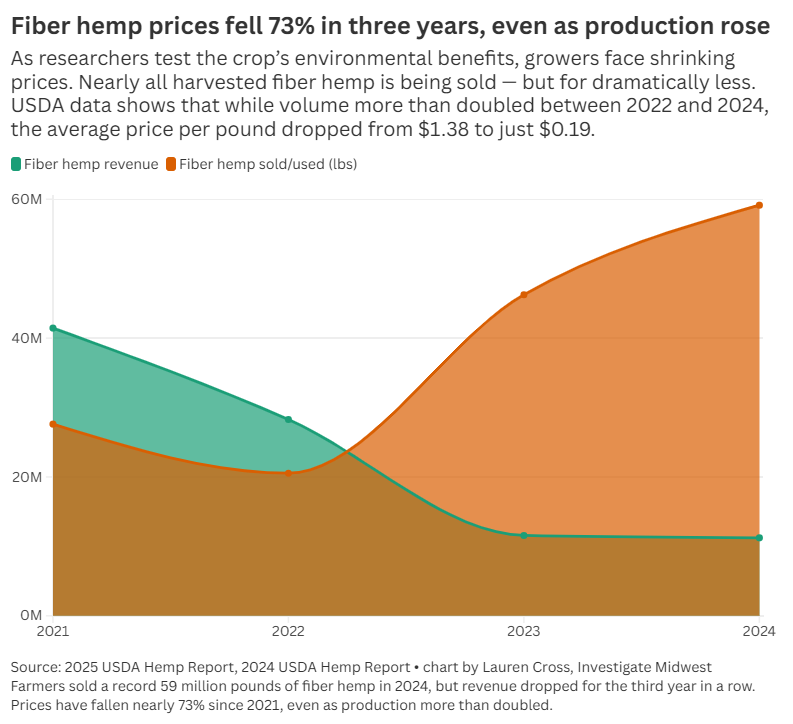
DATA HARVEST: Scientists test fiber hemp for ‘forever chemicals’ cleanup as farmer profits collapse
By Lauren Cross, Investigate Midwest
Scientists and policymakers are exploring fiber hemp’s potential to absorb toxic chemicals like PFAS or capture carbon in soil, but those potential benefits have yet to translate into a reliable, profitable market for growers.
Fiber hemp production in the U.S. surged to a record high in 2024, but farmers are earning far less from the crop than they were just a few years ago, according to new USDA data released April 17.
Fiber hemp refers to hemp grown for its stalks, which are processed into materials like insulation, textiles, rope, and building composites. It’s distinct from floral hemp, which is grown for CBD and other cannabinoids.
According to the USDA’s 2024 and 2025 national hemp reports, farmers sold 59.1 million pounds of fiber hemp in 2024, up 114% from 2021. Yet revenue over the same period dropped nearly 73%, falling from $41.45 million to $11.23 million.
View the charts here.

ICYMI: Deportation fears are no longer hypothetical
By Sky Chadde and John McCracken, Investigate Midwest
When President Donald Trump’s ag secretary nominee called food supply disruptions from mass deportations “hypothetical” back in January, farm groups warned otherwise. Now, with Brooke Rollins officially in office, those fears are materializing: she’s ordered tighter SNAP verification rules, reaffirmed support for mass deportation policies, and doubled down on "Farmers First" rhetoric that excludes undocumented workers.
Meanwhile, dairy farmers, who rely on year-round labor and aren’t eligible for H-2A visas, which are limited to seasonal work, are bracing for the fallout.
Read more.
Stories from our media partners:
Bayer's effort to block Roundup lawsuits kicks into high gear, Civil Eats
Trump deportations have dairy farmers on edge, Barn Raiser
Investigate Midwest is an independent, nonprofit newsroom. Our mission is to serve the public as a watchdog over influential agricultural corporations and institutions through in-depth and data-driven investigative journalism.