Nov. 30, 2023 www.investigatemidwest.org Midwest Center for Investigative Reporting
Why small meatpackers can't compete
Independent slaughterhouses across the nation say they're struggling to find the “sweet spot” in a consolidated industry.
The neighborhood meatpacking company has to rely on farmers' markets, online sales and direct-to-consumer marketing to survive. There are hundreds of these facilities, but their meat is rarely sold in grocery stores. The nation’s giant meatpacking companies have a firm grip on that shelf space.
The federal government recently ramped up programs to invest in regional processors. But it’s not enough for many small processors that face proportionately higher operating expenses than the industry giants, according to Investigate Midwest interviews with small processors and experts.
— John McCracken, reporter
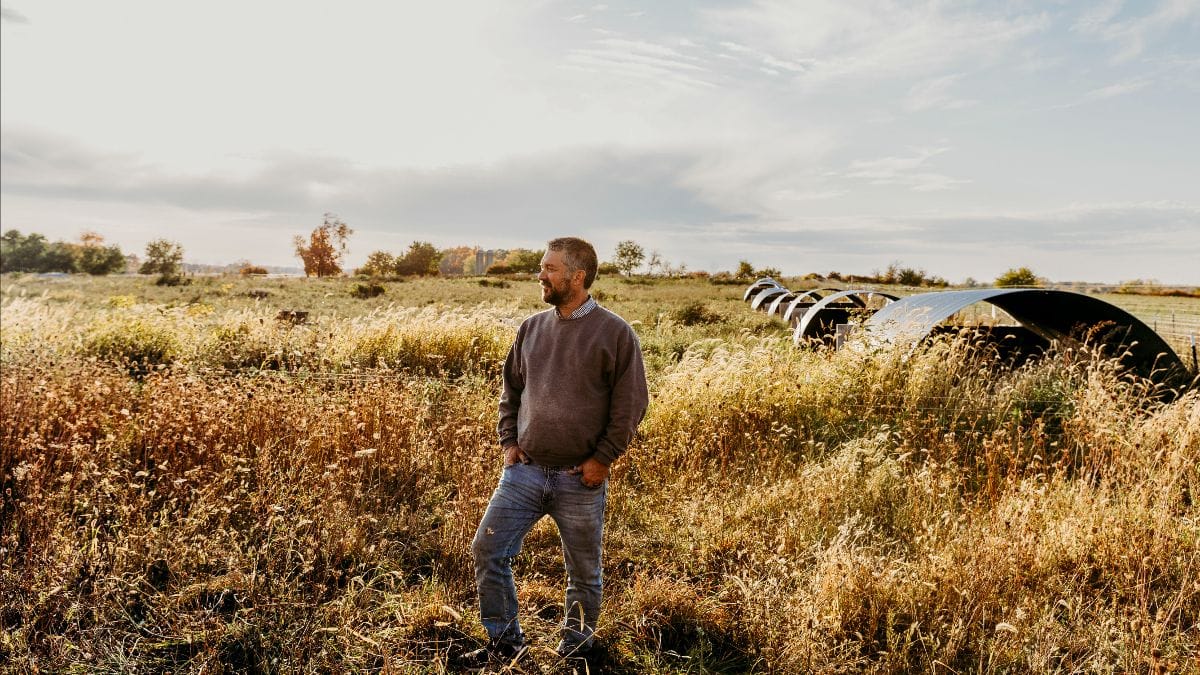
In an industry in which four companies — Tyson Foods, JBS, Smithfield and Marfrig — control most of the meat market, small slaughterhouses are struggling to compete.
The Biden administration has tried to address the concentration, including offering grants to help small processors expand. But it’s not enough for many small processors that face proportionately higher operating expenses than the industry giants, according to interviews with small processors and experts.
Read more.
GRAPHIC: Foreign-owned land growing across the United States
By Ben Felder, Investigate Midwest
Foreign-owned land nationwide remained steady at around 15 million acres during the 1980s and 1990s, according to USDA records.
But foreign-owned acres have increased significantly over the last decade, topping 40 million in 2021.
See the graphic.
OPINION:FDA must test food color additives to improve public trust
By Dave Dickey, Columnist
In his latest column, Dave Dickey tackles food coloring, specifically Red No. 3.
He writes: "And today the public is still inexplicably waiting for FDA to get around to doing some conclusive testing. Thirty-three years and counting. And the Environmental Working Group reports more than 3,200 food products currently on the market contain Red No. 3."
Read more.
Related news from our partners
A fear of the 1980s for farmers and black swan risks for cattle producersBy DTN/The Progressive Farmer
Crops and solar intersect as Iowa’s first agrivoltaics project prepares to power up By the Cedar Rapids Gazette
THANK YOU! We met our goal to raise $2,000 on #GivingNewsDay. In fact, your generosity pushed that number to $2,515.99. Our end-of-year giving campaign continues through Dec. 31 with the potential for individual gifts to be tripled, thanks to match funds from NewsMatch and The Joyce Foundation. You can give here.
Investigate Midwest is an independent, nonprofit newsroom. Our mission is to serve the public as a watchdog over influential corporations and institutions through in-depth and data-driven investigative journalism.