July 25, 2024 The Midwest Center For Investigative Reporting
Many farmers struggle to stay in business as prices increase
Counties that saw the most significant increases in land values in recent years also lost the most farmers and ranchers. As farmland values go up, farmers are often priced out of their livelihood.
Through original data analysis and dozens of interviews, Investigate Midwest revealed how growing farmland values are pricing out many producers, especially young farmers looking to establish their businesses. However, while the rising values are a challenge for farmers, they have created a profitable opportunity for investment firms looking to diversify their portfolios.
This story examines the affordability challenge facing many agriculture producers and what some organizations are doing to help more farmers access land.
— Ben Felder, Oklahoma reporter
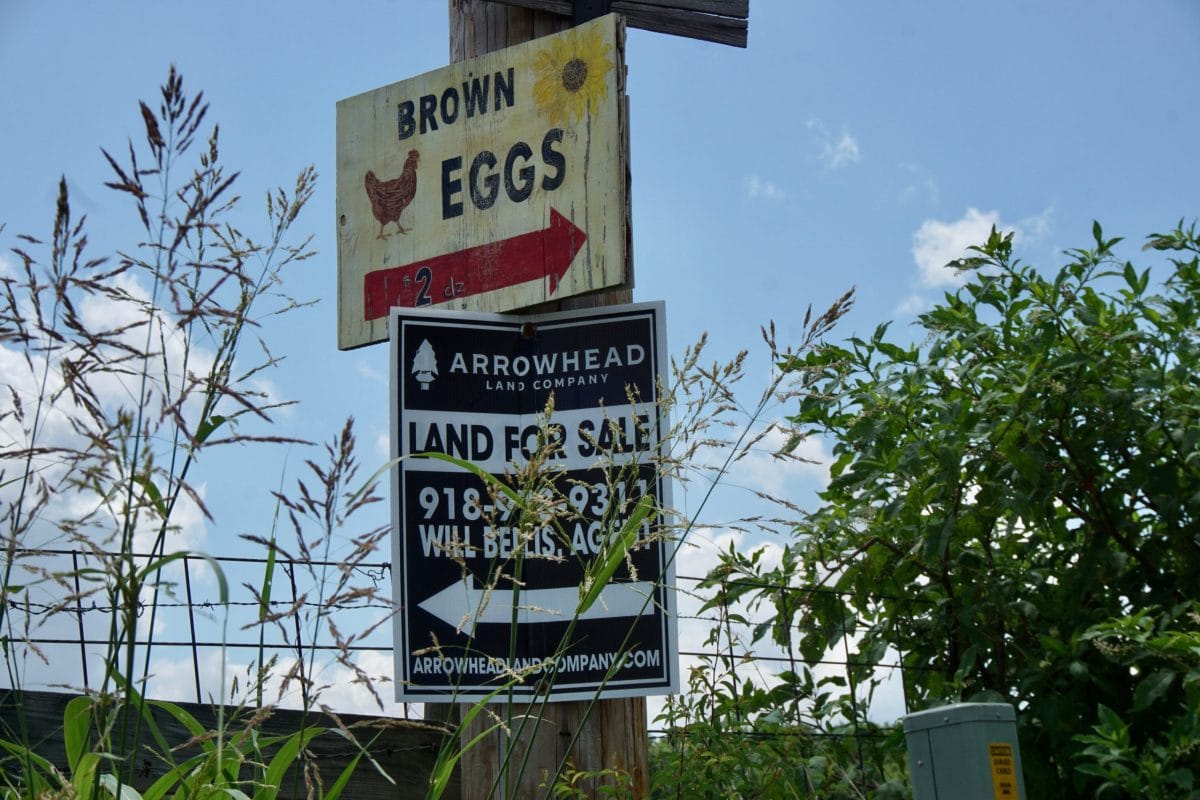
America is losing farmers.This is the role land values play.
By Ben Felder, Investigate Midwest
As Jess Bray pulled up to a 21-acre farm nestled in an eastern Oklahoma valley, she instantly got a warm feeling. “This is the place,” she thought.
After attempting to buy two other properties before being outbid by cash buyers, Bray and her husband Jon began to wonder whether their dream of owning and operating their own farm would become a reality.
“We always wanted to farm, but we aren’t trust fund kids, we didn’t grow up in agriculture … we didn’t have a farm handed down to us, so it wasn’t something that was very accessible to us,” Bray said. “This was a dream come true … but it wasn’t without challenges.”
While Bray eventually realized her dream, the rising cost of farmland has priced out many other would-be farmers and ranchers or forced others into early retirement. The parts of the country where farmland prices have seen the largest increase have also been where the number of agriculture producers has declined the most.
Read more.
GRAPHIC: Political party gap in agribusiness donations continues to widen
By Ben Felder, Investigate Midwest
Republican candidates for federal office have long attracted more political donations from agriculture businesses than Democrats. But the gap has significantly widened over the past decade.
During the 2020 election cycle, which included a presidential race, the agribusiness industry gave nearly $98 million to Republican candidates, more than double the $46 million given to Democrats.
View the graphic.
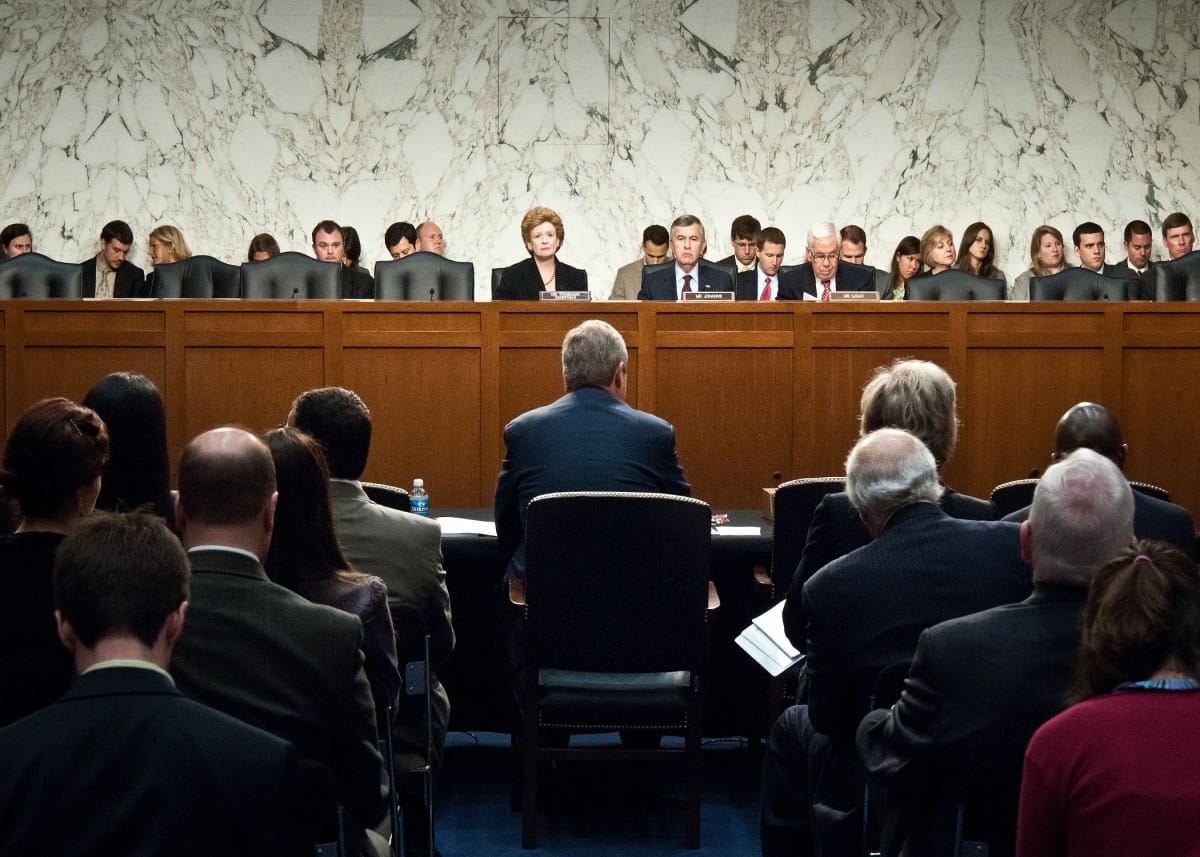
ICYMI: ‘Buy it or else’: Inside Monsanto and BASF’s moves to force dicamba on farmers
By Johnathan Hettinger, Investigate Midwest
Note: Occasionally we will reshare a previous investigation from our archive. This story originally published in 2020.
Get poisoned or get on board.
That’s the choice soybean farmers such as Will Glazik face. The past few summers, farmers near Glazik’s central Illinois farm have sprayed so much of the weed killer dicamba at the same time that it has polluted the air for hours and sometimes days.
As Glazik puts it, there are two types of soybeans: Monsanto’s, which are genetically engineered to withstand dicamba, and everyone else’s. Glazik’s soybeans have been the damaged ones. His soybean leaves will curl up, then the plants will become smaller and weaker. He’s lost as much as 40 bushels an acre in some fields, a huge loss when organic soybeans are $20 a bushel. He has to hold his breath every year to see if the damage will cause him to lose his organic certification.
Read more here.
News from our partners
The people who feed America are going hungry. By Ayurella Horn-Muller, Grist
Farm programs, USDA would shrink under Project 2025 goals for ag. ByChris Clayton, DTN/The Progressive Farmer
Investigate Midwest is an independent, nonprofit newsroom. Our mission is to serve the public as a watchdog over influential corporations and institutions through in-depth and data-driven investigative journalism.