“The proliferation of solar farms, wind farms, data centers and marijuana farms is making many Oklahomans anxious about the future and identity of the state. Foreign ownership of farmland has become one of the issues people in rural Oklahoma care about most, but there are a lot of misconceptions. As Republican candidates lean into the issue, I wanted to separate fact from fiction.”
— Juan Vassallo,
Oklahoma reporter

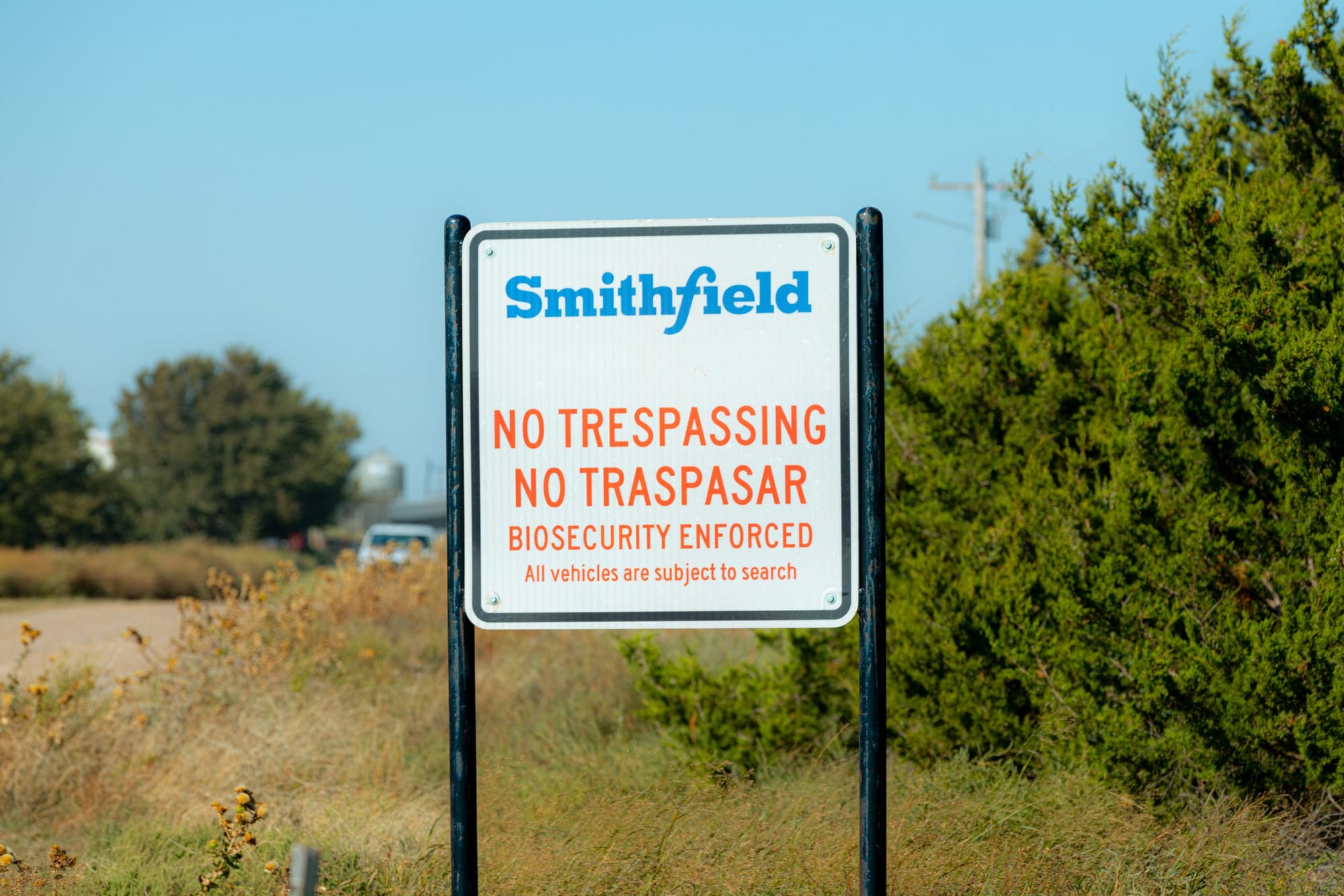
Where the land ownership debate doesn’t line up with the facts
“We’ve taken back thousands of acres,” Oklahoma Attorney General Gentner Drummond said on the campaign trail, pointing to seized land allegedly tied to Chinese crime groups, which he went on to say were being auctioned off.
But when Investigate Midwest requested records, his office said no auctions had taken place and the cases remain ongoing.
That’s just one example of a broader pattern of misinformation and confusion discovered by reporter Juan Vassallo while interviewing candidates in Oklahoma’s governor’s race, where claims about foreign-owned land are not always aligned with state records, policy decisions, or available data.
Across the campaign trail, candidates are elevating Chinese-held farmland as a top concern, but the numbers tell a more complicated story. Foreign-held land represents only 4.8% of all privately held land in Oklahoma, and less than 1% nationwide.
Juan’s reporting examines how a once-overlooked policy issue has become a political flashpoint, and what the data, laws and enforcement efforts actually show.
— Lauren Cross, assistant editor and audience engagement manager
How is ICE enforcement affecting your community?

Reporter Sky Chadde is looking at the impacts of increased ICE enforcement in rural communities and wants to hear from you. Have your workers not shown up because they were arrested or over fears of being arrested? Has your local business been affected? Have fewer students come to your classroom? Get in touch with Sky below:
Email: sky.chadde@investigatemidwest.org
Signal: im_sky.31
Protonmail: im_sky31@proton.me
Hush Line: https://tips.hushline.app/to/im_sky31
Come join the conversation: Sign up now
This spring and summer, we are kicking off a series of community listening sessions, where feedback will directly inform how we approach the ag beat. These virtual gatherings are designed to let us hear directly from readers, farmers, workers and residents about the issues affecting their communities.
Interested? We look forward to hearing from you.
DATA HARVEST: With Iran War, food prices will grow faster than originally expected this year, USDA predicts
By Sky Chadde, Investigate Midwest
In late February, President Trump approved attacks on Iran — and potentially blew a hole through a signature campaign promise.
As he ran for a second presidency, Trump said repeatedly he would “defeat inflation.” Once in office, and as grocery prices continued to increase throughout 2025, he said affordability was a “con job.”
Food prices were already expected to increase in 2026, and at a faster rate than their 20-year historical average.
But the war with Iran will likely turbocharge grocery prices, particularly beef, according to revised forecasts from the U.S. Department of Agriculture.
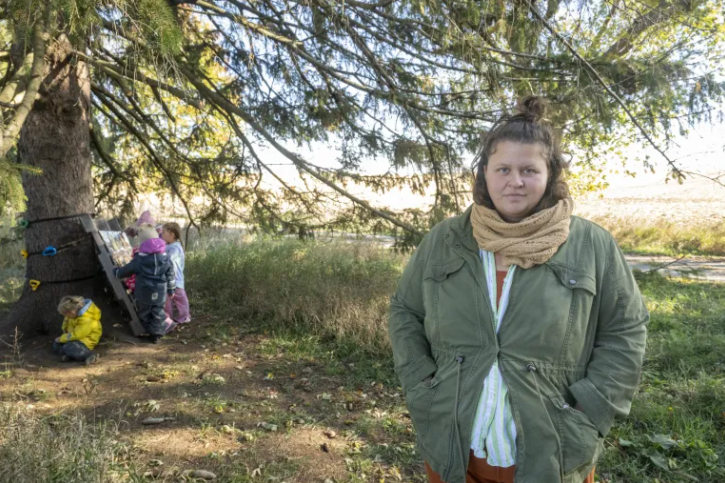
ICYMI: When pesticide drift reaches schools
Revisit our January investigation into how pesticide drift affects schools across Illinois. More than 700 schools sit within a quarter-mile of crop fields, yet there’s no requirement to notify school officials before spraying, leaving them caught off guard. Lawmakers have been weighing a proposal that could change that.
News from trusted media partners
Burned before by ‘pesticide drift,’ vineyard owners enter growing season bracing for the worst, Mississippi River Basin Ag & Water Desk