Dec. 4, 2025
“We’re outside all the time. It’s not the rain, it’s not the snow that drives us in. It’s the chemicals.”
— Abbie Frank,
executive director, Bluestem Hall Nature School
Pesticide drift & Illinois schools: What you need to know
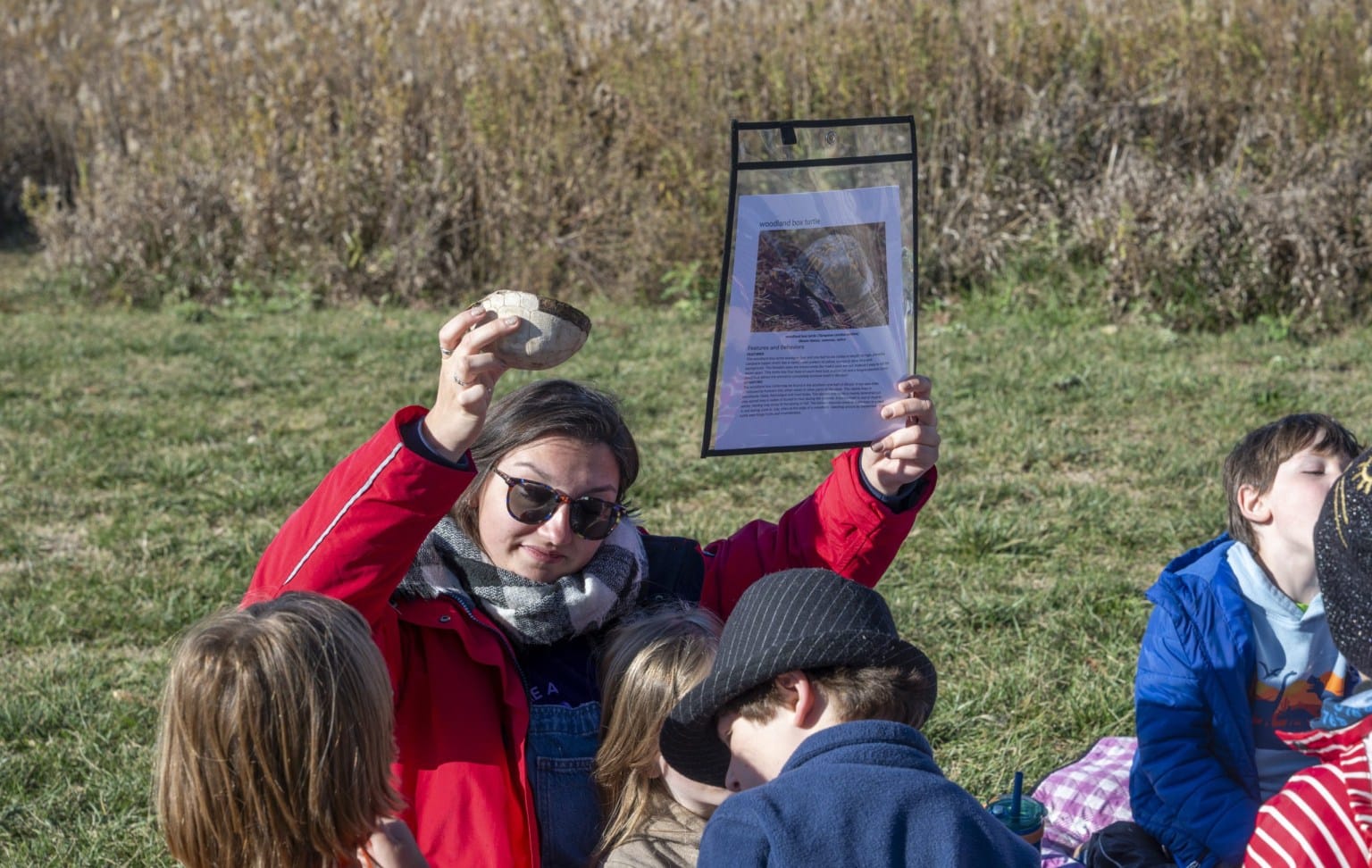
For the students and staff at Bluestem Hall Nature School in Urbana, Illinois, a shift in the wind can trigger a mad dash to get inside. Like many schools in the area, pesticides sprayed on nearby crop fields can drift, creating a risk for students.
“We're literally running with children away from a cloud of pesticides,” said Abbie Frank, the school’s executive director, recounting what it’s like when she smells chemicals in the air.
Some state lawmakers want to require pesticide applicators to give nearby schools and parks a warning before spraying. In this week’s feature story, Illinois-based reporter Jennifer Bamberg takes a closer look at House Bill 1596 and why some worry the increased use of pesticides across the state is increasing health risks for children.
However, the proposal faces pushback from agricultural groups who worry the notification window will restrict their ability to spray promptly in response to changing weather. As Illinois struggles with overworked state regulators and increasing pesticide use, this debate highlights the difficult balance between protecting health and the operational needs of the state's dominant agricultural industry.
— Ben Felder, editor-in-chief
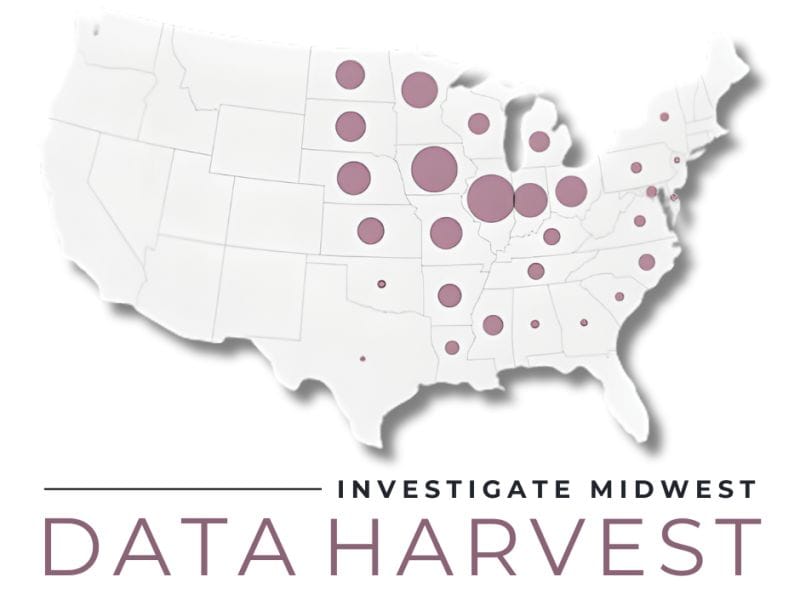
DATA HARVEST: Which states are most exposed as soybean exports falter?
By Mónica Cordero, Investigate Midwest
U.S. soybean producers are ending 2025 facing one of the most uncertain markets in recent years.
China, by far the largest buyer of U.S. soybeans, has sharply reduced its purchases throughout the year due to the trade war initiated by the Trump administration in January.
Instead, Chinese importers have turned to cheaper and more abundant supplies from Brazil and Argentina, leaving U.S. exporters struggling to regain momentum.
This shift has increased pressure on producers, as approximately 40% of all U.S. soybeans are sold overseas, leaving farmers exposed during trade disputes and periods of global volatility.
ICYMI: Why this story is worth your time
By Melissa Dai, Investigate Midwest
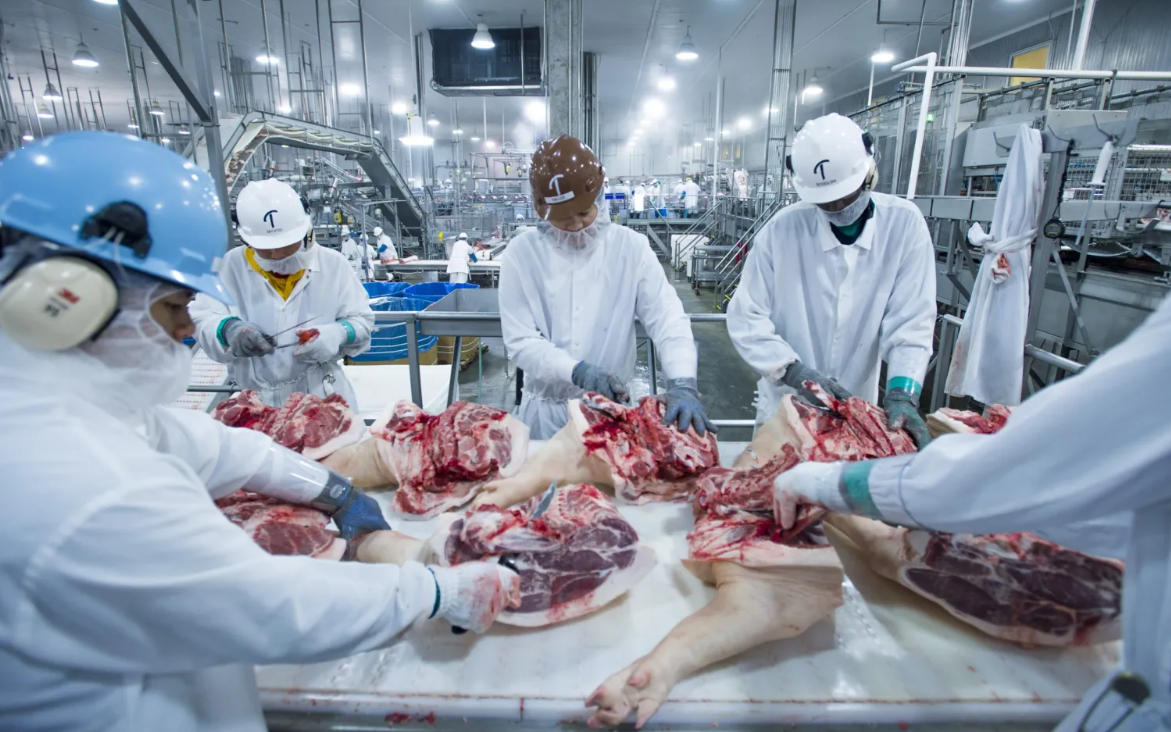
Back in August, our reporting intern Melissa Dai examined what happens inside pork and poultry plants when companies speed up production and federal inspectors are pulled back.
Her reporting showed how faster lines can shape both worker safety and food protection in ways most people never see by talking with several experts and former inspectors and reading through more than seventy documents — government records, research studies, petitions, and court filings — to understand how oversight has shifted over the past decade.
It is worth revisiting because the questions raised in her reporting are still important: Who is watching the line, how fast plants can safely run, and what that means for workers and consumers remain central to understanding this industry.
News from trusted media partners
A loophole allows ranchers to renew grazing permits with little scrutiny of environmental impact, Propublica