Oct. 3, 2024 The Midwest Center For Investigative Reporting
A closer look at how the strike may affect ag industry
Seaports from Maine to Texas are closed after thousands of dockworkers went on strike this week. It halted the movements of goods in and out of the country along the East and Gulf Coasts, and the impact on agriculture could be particularly large.
This Investigate Midwest story looks at data of the nation's seaports in an effort to better explain what the ongoing strike could mean for the shipment of crops, grains and meat out of the U.S.
New Orleans is the nation’s busiest agriculture seaport, but the strike’s impact could be less noticeable there because of the types of commodities that travel through it. However, agriculture shipments through Georgia, Virginia and New York are more likely to be delayed.
Also, access to farm machinery and equipment, most of which comes through the now-closed Baltimore port, could also be delayed.
— Ben Felder, editor in chief
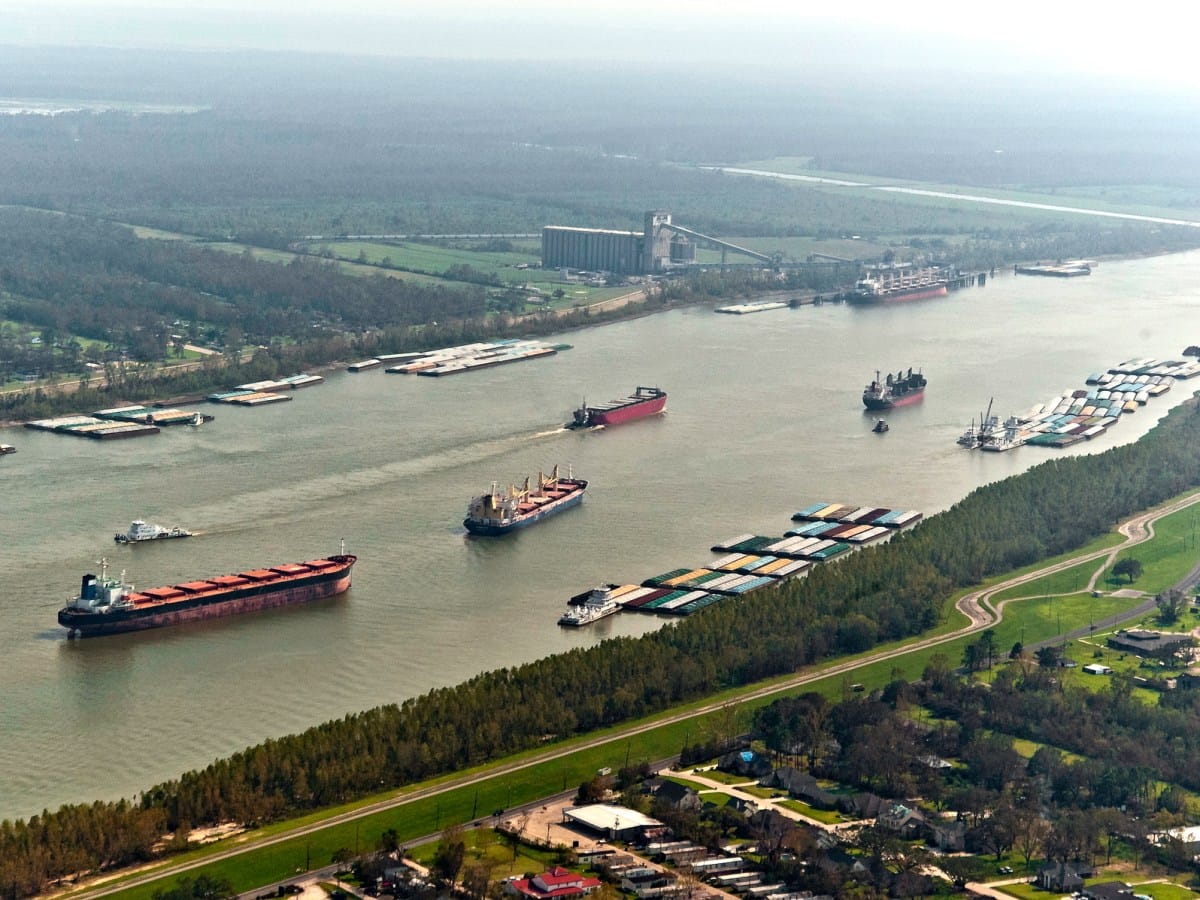
US dockworker strike: Three charts to understand the impact on agriculture
By Ben Felder, Investigate Midwest
Striking dockworkers have shut down seaports along the East and Gulf Coasts, impacting ports that handle around 40% of the nation’s agricultural exports.
The closed ports could also impact shipments of farm machinery, delaying repairs and new equipment headed for Midwest farmers.
On Tuesday, more than 45,000 members of the International Longshoremen’s Association began a work stoppage in an effort to negotiate higher wages.
“Nothing is going to move without us,” Harold Daggett, the head of the union, told dockworkers at the New York-New Jersey port.
Read more.
GRAPHIC: Tracking outbreaks of bird flu in US poultry flocks, dairy herds
By John McCracken, Investigate Midwest
From Alaska to Florida, poultry farms and dairy operations have reported outbreaks of highly pathogenic avian influenza, otherwise known as bird flu, for more than two years.
Data available from the Centers for Disease Control and U.S. Department of Agriculture shows a continued rise in cases across industries, with Minnesota leading poultry outbreaks and Colorado leading in dairy herds.
Check out the map here.
ICYMI: Employers banned from hiring H-2A workers can ‘reinvent’ themselves to hire again
By Ryan Murphy, Investigate Midwest
As conversations around labor rights and immigration continue, this investigation from a year ago remains highly relevant. In case you missed it, the report looks at how some employers have worked around the H-2A visa system, presenting ongoing challenges for worker protections.
Joseph Cantu ran Big River Honey with his mother until 2022, when the federal government banned the Florida apiary from hiring guest visa workers for three years because of alleged wage violations. Nine months after the ban started, the government allowed Cantu’s mother to hire the labor force the apiary needed — at the same address.
The employees were on H-2A visas, which allow foreign nationals to work in the U.S. for short time periods. Many H-2A workers face mistreatment from some employers, and the federal government can temporarily ban, or debar, employers from hiring H-2A workers. But the bans rarely occur and are easy to evade, according to government reports, experts and Investigate Midwest’s analysis of H-2A data.
It is unclear how the U.S. Department of Labor determines which employers receive a temporary ban rather than a fine. me and location written verbatim on the banned list.
“The debarment mechanism really is a joke,” said Gregory Schell, a longtime farmworker advocate and attorney with Southern Migrant Legal Services. “It’s not much of an enforcement system.”
Read more.
5 things to know about T Bell
By Sky Chadde, Investigate Midwest
Corteva Agrisciences, which controls about 40% of the U.S. corn market, publicly states it will not tolerate labor abuses along its supply chain. But an Investigate Midwest investigation shows the corporation has a longstanding relationship with a labor contractor that the federal government has found to have violated labor laws.
A major component of producing commercially successful corn varieties is a process called “detasseling.” This is the removal of the flowery tops of corn stalks, which allows the control of pollination. The process usually requires human hands.
Read more.
News from our partners
Activists in animal agriculture-heavy areas fight nitrate pollution
By Claire Carlson, The Daily Yonder
Food is a huge source of methane emissions. Fixing that is no easy feat.
By Frida Garza, Grist
Investigate Midwest is an independent, nonprofit newsroom. Our mission is to serve the public as a watchdog over influential corporations and institutions through in-depth and data-driven investigative journalism.