Sept. 4, 2025 The Midwest Center For Investigative Reporting
Stay informed on agriculture, policy & power. Follow us.
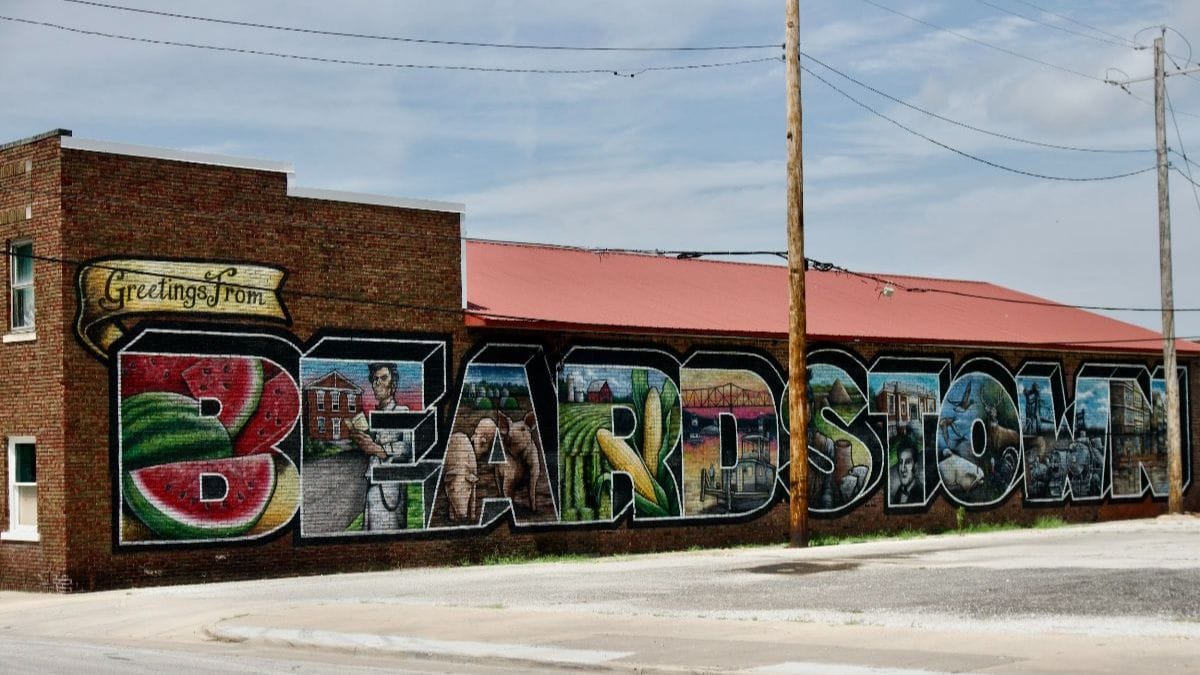
A meatpacking town is on edge with immigration policies
It’s easy to see Beardstown, Illinois, as Anytown, USA. Charming bungalows, a downtown square that hosts family events and cookouts, and the sound of barges passing along the Illinois River. Locals are invited to sing karaoke on Fridays at the Main Street Tavern, and Paula is always willing to give a one-on-one tour of the Beardstown Lincoln Museum.
Like a lot of small towns across America, Beardstown’s local economy is directly tied to agriculture — and that industry is fueled by immigrant labor.
In July, I traveled to Beardstown with two of our reporters – Juan Vassallo and Jennifer Bamberg – to better understand the importance of immigration in this community and how President Trump’s policies were changing the fabric of this central Illinois town.
Hundreds of immigrants work at either a local JBS pork processing plant or DOT Foods, the largest food redistributor in the country.
But many of those workers were let go after the Trump administration ended a parole program. Add in the growing fear over immigration enforcement and life in Beardstown has changed dramatically.
This week, as part of a series on how Trump’s immigration policies are impacting the food system, we published a story from Juan on Beardstown. This story explores the role immigrants have played in the town’s history, how it helped save its largest industries and how it’s now under threat. (A version in Spanish can be found here.)
But Beardstown’s story truly is one of Anytown, USA. The shift in immigration policies is altering life in agriculture and food hubs across the Midwest.
— Ben Felder, editor in chief
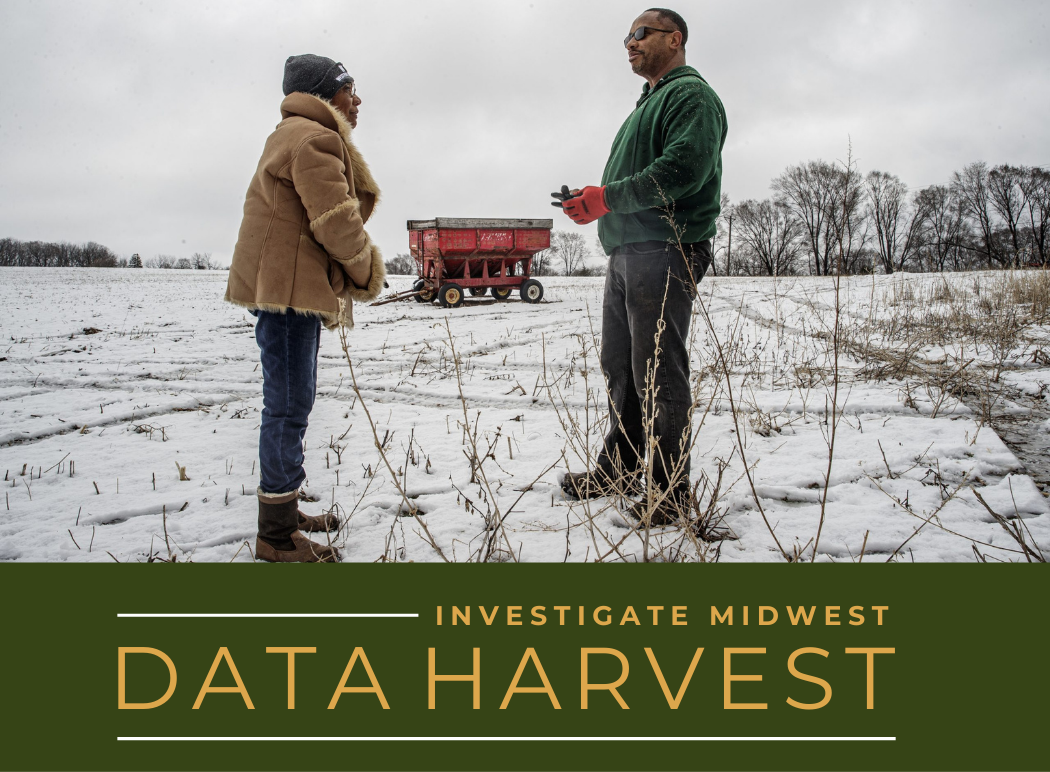
Number of Black-owned farms has decreased drastically since 1900
By Sky Chadde, Investigate Midwest
After the Civil War, the U.S. government promised 40 acres, either from abandoned plantations or unused land, to formerly enslaved Black people. But then President Andrew Johnson intervened. He pardoned Confederates, returning their land.
It became a common theme. In the following decades, some Black farmers gained land through deals with white landowners: After being tenant operators, they could buy acreage, according to a U.S. Department of Agriculture report. But as Jim Crow laws proliferated in the early 19th century, more and more Black farmers were subject to oppressive farming contracts.
In 1920, there were more than 900,000 Black-owned farms in the U.S., many in the South. It wouldn’t last. In the following decades, the number of Black-owned farms nosedived, according to Census of Agriculture data. As of 2022, only about 28,000 farms were owned by Black operators.
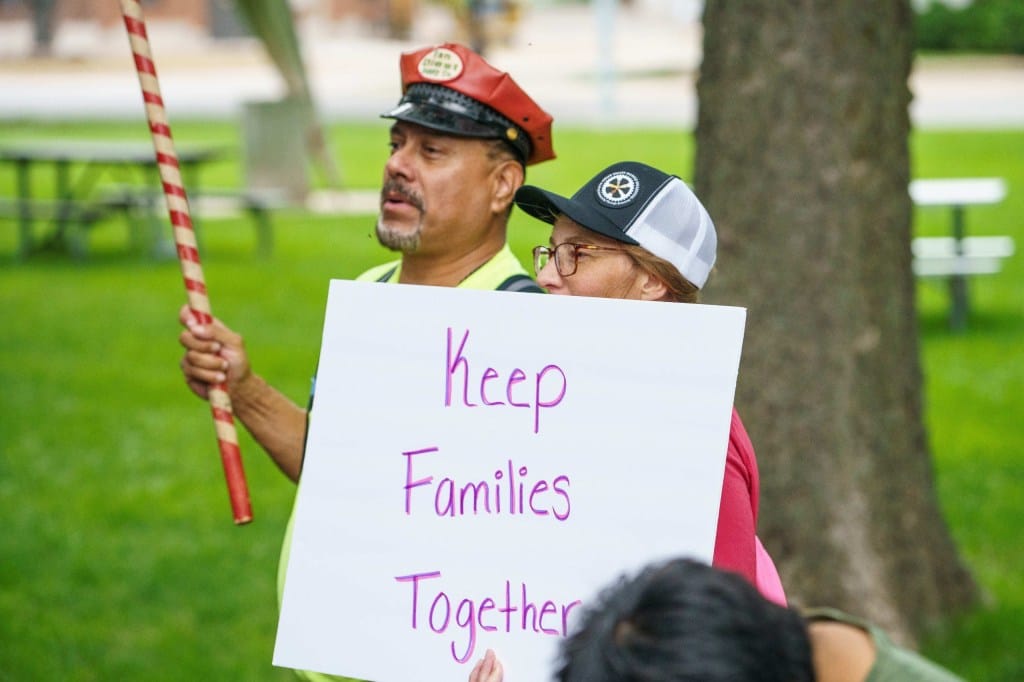
ICYMI: Immigration fears took hold in Iowa
By Mónica Cordero, Investigate Midwest
Back in January, shortly after Trump began his second term, we reported on growing fears of mass deportations in Iowa’s immigrant communities. The story captured how rumors of ICE raids spread panic and misinformation in towns where agriculture depends on immigrant labor. It’s a timely look back as we publish new reporting this week from Beardstown, Illinois — another community grappling with the uncertainty of federal immigration policy.
OPINION: Is the White House eroding trust in the agricultural marketplace?
By Dave Dickey, Columnist
Ever since President Trump's first term, he has blurred the boundaries between facts, opinions, perspectives and lies for political gain.
For the White House, statistics are political weapons. Trumpet those you like. Manipulate or kill the ones you don’t. Gaslight the public as needed.
Which takes me to agricultural numbers. It goes without saying that the business of U.S. agriculture runs on statistics, many produced by the National Agricultural Statistics Service. NASS is the nation’s boots on the ground, preparing hundreds of reports on every aspect of agriculture including production and supply, farm finances, labor and wages, chemical use, and demographics of the workforce to name just a few.
Sunset on the Farm 2025
When: Sunday, Sept. 14, 2025, 5–8 p.m. CST
Where: Walker Homestead, 3867 James Ave. SW, Iowa City
Tickets: From $28.52 (children under 5 free)
What’s included: Unlimited pizza and salad, live music, sunflower to take home
Extras: Silent auction, cash wine bar, and s’mores by the fire

Join us for a live online discussion
Investigate Midwest will host its first live virtual panel on Sept. 18, bringing together leading voices in policy, labor, and immigrant advocacy to examine one of the most pressing questions facing America’s food system:
What happens when immigration enforcement targets the very workers who help keep it alive?
- Katelin Cruz of Western Illinois Dreamers
- Daniel Costa of the Economic Policy Institute
- Jose Oliva of the HEAL Food Alliance
- State Rep. Edgar Gonzalez, D-Chicago
The hourlong discussion will start promptly at 12 p.m. CT. (The discussion will be recorded and shared out to the public at a later date.)
Investigate Midwest is an independent, nonprofit newsroom. Our mission is to serve the public as a watchdog over influential agricultural corporations and institutions through in-depth and data-driven investigative journalism.