July 11, 2024 The Midwest Center For Investigative Reporting
Predictions on economic, environmental impact have not panned out
In the late 1990s and early 2000s, as Jim Pillen expanded his hog empire in Nebraska, he repeatedly made the same promises to local communities where his hog farms would be located. The hog farms would revitalize rural economies and they would not stink.
For the most part, however, those promises have not materialized. Counties with Pillen Family Farms operations have continued losing population and tax base, and residents who live nearby facilities complain about odor to this day.
In response to the latest story in our Pigs and Power series with the Flatwater Free Press, the governor's office said Gov. Pillen is "strongly committed" to defending Nebraska farmers from "those whose sole and constant agenda is to attack and denigrate their way of life."
— Sky Chadde, assistant editor/senior reporter
Pillen's promises: Some residents profited. Others say the company prospered while they suffered.
By Yanqi Xu, Flatwater Free Press and Sky Chadde, Investigate Midwest
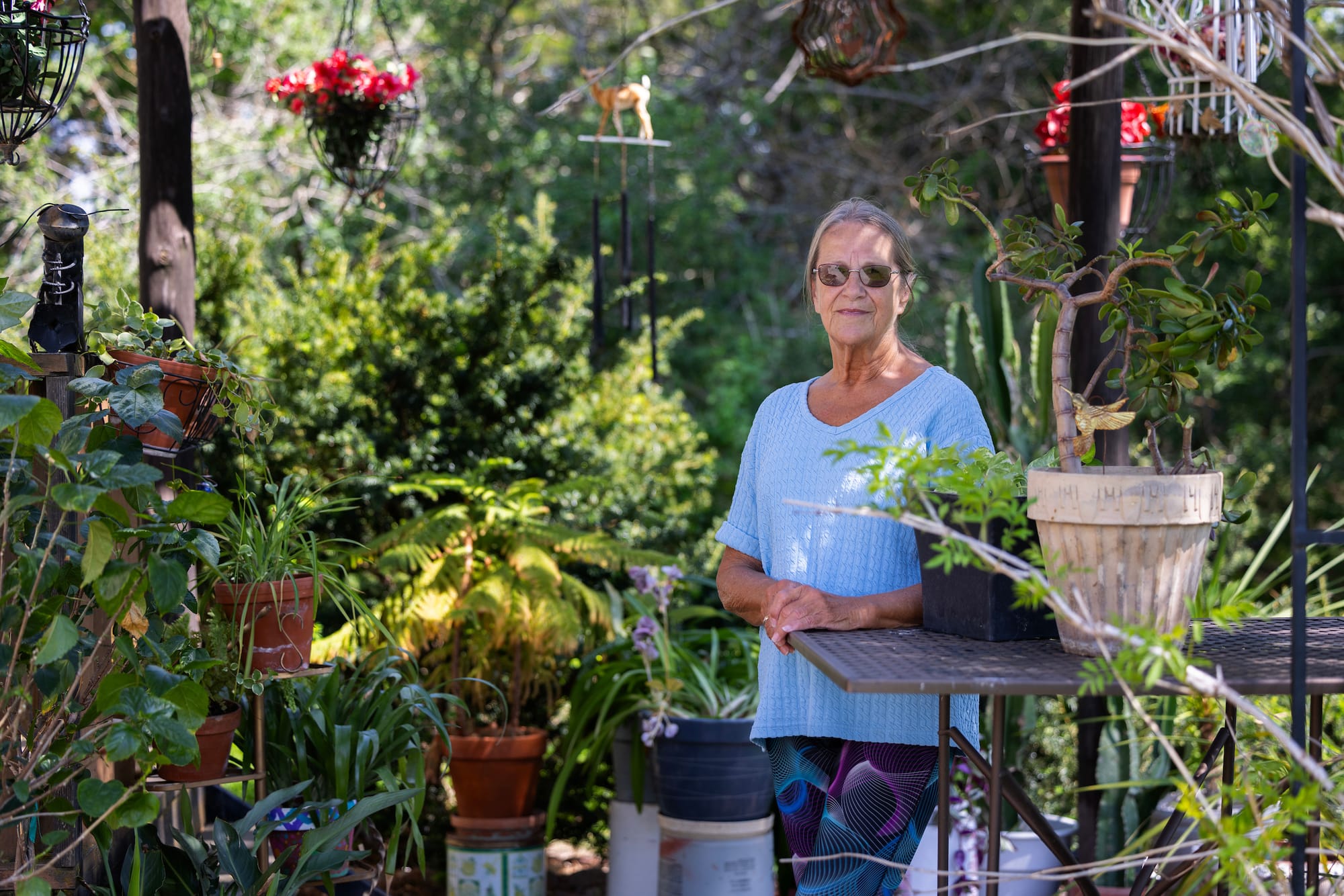
Dorian Kaspar was outside, cutting trees with her husband at her farmhouse near St. Edward a few years back around Easter, when a gust of wind blew through the wide-open cornfields and carried in what seemed like rain.
It descended on her property. It splattered all over her house’s freshly installed cement board siding. The mist dampened her shirt and pants.
It hit her lips. She tasted it. It wasn’t rain.
“Dan, that’s hog manure,” she said to her husband.
A center pivot was spraying manure as fertilizer, feeding onto crops hog waste that had been pumped from an industrial hog farm less than a mile away. The farmer later apologized profusely and it never happened again.
But the incident inflamed old feelings for Kaspar. In 2000, she and several other neighbors had sued the owner of the nearby hog barns, Jim Pillen, over its construction. Decades later, many neighbors, including Kaspar, can’t stand living near a massive hog farm owned by Pillen Family Farms — Nebraska’s largest hog producer — built and owned by the state’s current governor and his family.
When Pillen started expanding his hog operation across eastern Nebraska in the ’90s, he often came to town and told rural communities that the hogs his company would raise near their homes wouldn’t harm the water, the air or their quality of life, according to news reports, meeting minutes and interviews. He told small-town Nebraskans, county boards and reporters that these hog barns would revitalize the local economy and help stem the depopulation that has hammered rural Nebraska and rural America for generations.
The reality of the past quarter century has rarely matched that rhetoric.
Read more of the latest story here, and the first story in the series here.
GRAPHIC: Top commodity crops, CAFO states responsible for most nutrient pollution, USGS model shows
By Jennifer Bamberg, Investigate Midwest
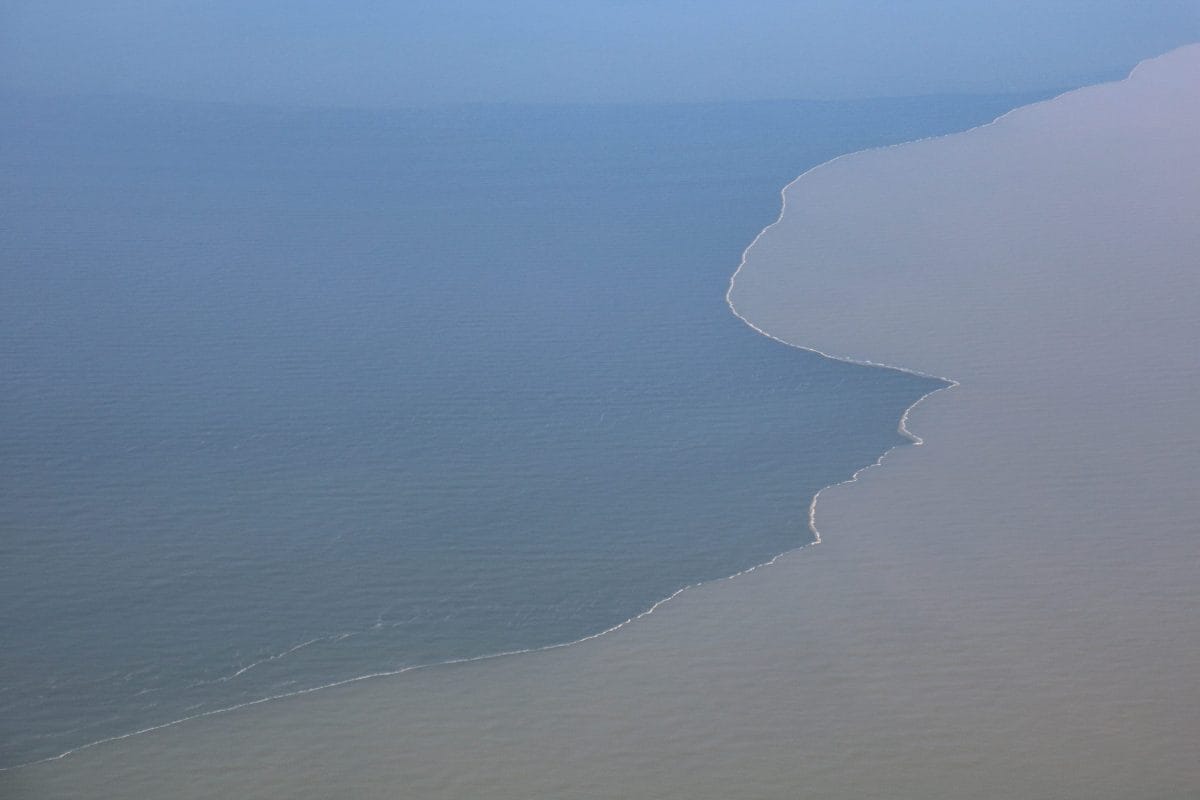
Excess phosphorus and nitrogen from municipal wastewater, urban runoff and agriculture contribute to a growing problem in water quality across the country. The issue is particularly bad in the Midwest, where 1.2 billion pounds of excess nutrients run off of farm fields and into the Gulf of Mexico each year, according to models created by the U.S. Geological Survey.
An estimated quarter of all phosphorus runoff and 40% of all nitrogen runoff from farming practices in the Midwest comes from just three states — Illinois, Indiana and Iowa.
View the graphic.
ICYMI: 'Mixed-status' families consider leaving Iowa in wake of new immigration law
ByMónica Cordero, Investigate Midwest/Report for America
The law, SF2340, would allow Iowa law enforcement to arrest individuals even if they have legal permission to remain in the country.
While the law is temporarily blocked from taking effect while it is contested in court, many immigrant workers are torn between remaining or leaving the state to avoid their own potential deportation or the deportation of their undocumented family members, according to interviews Investigate Midwest conducted with migrant advocacy groups and 10 immigrant families living in Iowa.
Read the full story in English or in Spanish.
OPINION: USDA proposes another step toward making chicken farming equitable
By Dave Dickey, Columnist
Imagine you are the owner of a sports team. If you beat the brains out of the competition and win a title, the league can choose to reward you with additional TV appearances that result in more money in your pocket. On the other hand, if you finish dead last, the league can choose to not only drop you off the TV schedule but reduce your team's revenue sharing.
For its part, the league is perfectly happy with the arrangement, believing all its member teams will be forced to play harder, as well as invest heavily in infrastructure — stadium improvements, for example — to avoid finishing at the dreaded bottom.
Then why would anyone want to own a team with those kinds of risks and rewards? Who would do such a thing?
Welcome to chicken farming.
Read more.
News from our partners
How the Inflations Reduction Act is playing out in one of the 'most biased' states for renewables. By Hilary Beaumont, Floodlight
Biden admin unveils first-ever heat protections for workers. By Frida Garza and Ayurella Horn-Muller, Grist
Investigate Midwest is an independent, nonprofit newsroom. Our mission is to serve the public as a watchdog over influential corporations and institutions through in-depth and data-driven investigative journalism.