Nov. 6, 2025
Deportations, labor shortages and your food supply
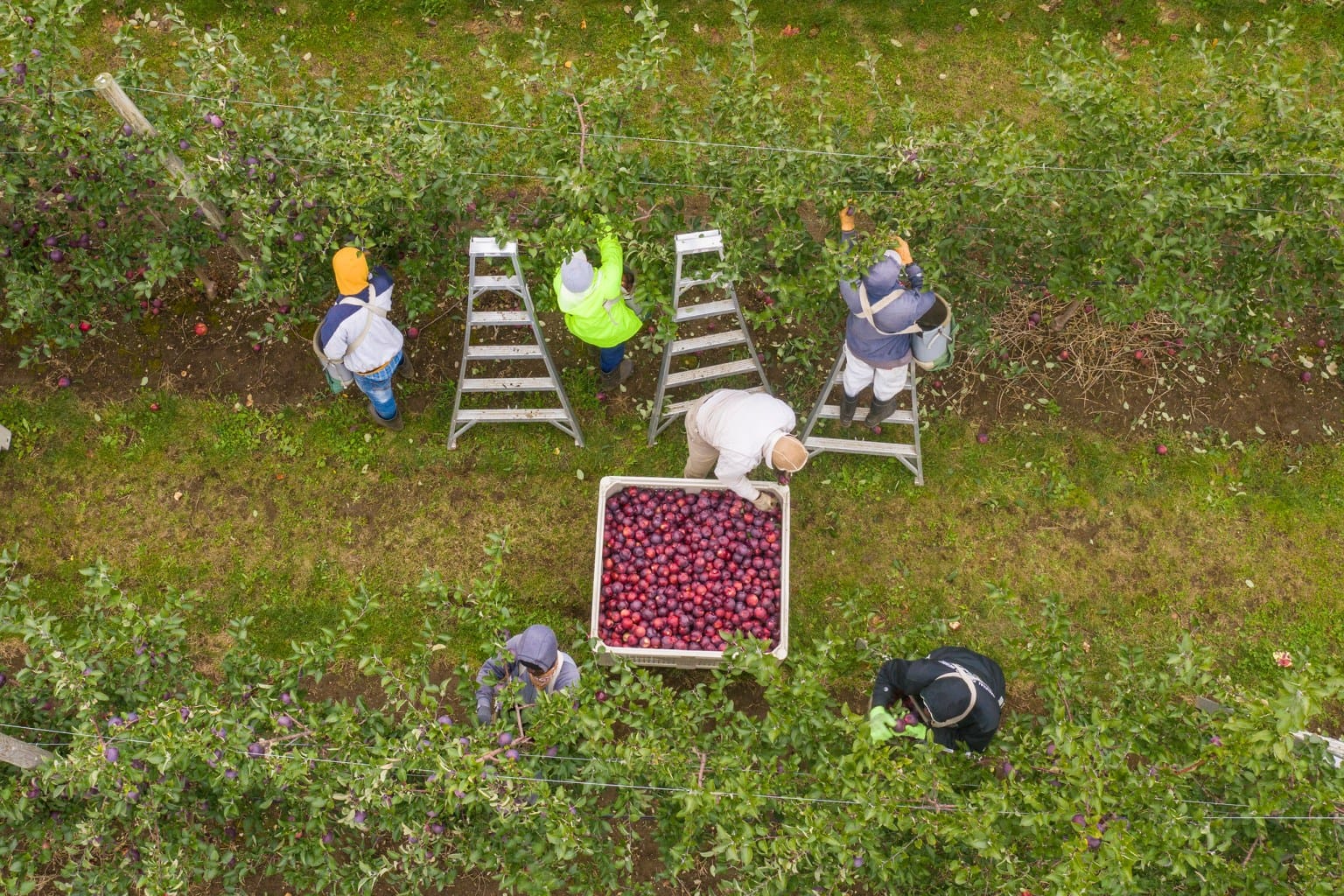
Near the top of President Trump’s agenda since he returned to office has been deporting hundreds of thousands of undocumented people, while also undoing several legal pathways for immigration.
With the agriculture and meat industries' heavy reliance on immigrant workers – including many who are undocumented – this policy was always going to bring sweeping change to the nation’s food system.
Over the past several months, Investigate Midwest journalists have examined what those changes look like on the ground. Their reporting from Illinois revealed hundreds of lost jobs at a small-town meatpacking plant, rising fear among temp workers at Chicago’s food warehouses, and a stalled Congress leaving labor shortages to deepen.
You can read the complete three-story series here, along with a review of seven things you should know about that recent watchdog reporting, including how the Trump administration is challenging state efforts to protect immigrant workers and why deportations are likely to expand the use of foreign workers.
— Ben Felder, editor-in-chief
DATA HARVEST: An explosion of pesticide misuse complaints led to reforms in Illinois. And now, a reporting collapse.
By Jennifer Bamberg, Investigate Midwest
When Monsanto (now Bayer) launched its dicamba-resistant soybeans in 2017, the move allowed farmers to spray dicamba directly on the state’s dominant crop without killing them — a shift that drove up usage and misuse complaints to record highs across Illinois.
In 2016, Illinois corn growers applied about 65,000 pounds of the herbicide. Two years later, soybean growers applied roughly 34 times that amount — 2.2 million pounds.
By 2019, the number of formal complaints filed with the Illinois Department of Agriculture (IDOA) alleging pesticide misuse tripled to a record high of 971 complaints.
In response to the alarming amount of misuse complaints, the IDOA instituted an emergency ruling in 2020 that restricted dicamba applications on soybeans when temperatures reach 85 degrees or higher and set a June 20 cutoff date.
That same year, in 2020, complaints decreased 80% — down from 723 dicamba-related complaints in 2019 to 145 in 2020.
But according to a 2024 report from Prairie Rivers Network, the decline doesn’t necessarily mean pesticide misuse is under control.

Join us for an evening of storytelling in Iowa City
Join Investigate Midwest on Thursday, Nov. 13 for an evening of live storytelling, community, and conversation at Trumpet Blossom Café in Iowa City.
This year’s theme, “Water – The Current of Life,” brings together five remarkable storytellers — each offering a personal reflection on how water connects, challenges, and transforms our lives.
You can learn more about the five storytellers here.

ICYMI: As SNAP funding falters, a look back at how Big Jerky shaped the rules
By John McCracken, Investigate Midwest
Before the government shutdown and this month’s SNAP cuts, our investigation examined how Jack Link’s lobbied the Trump administration to keep processed meat snacks in federal nutrition programs. With benefits now on the chopping block, that fight over what counts as “healthy” food takes on new relevance.
Connect with us on social media!
It’s pumpkin season, and Illinois dominates U.S. production. The state grew 485 million pounds of pumpkins in 2024 — about a third of the nation’s total. Nearly 70% of Illinois...