Top ag issues explained in charts, maps and graphs
In recent weeks, we’ve published a recap of some of our most impactful stories and best images from the past year. And while it’s now 2026, we have one more year-in-review list to share – our 17 most important data visualizations.
At Investigate Midwest, we love data. It’s the foundation for many of our biggest stories. These 17 data visualizations help tell the story of U.S. agriculture and the food system from the past year.
On this list, you’ll find charts that offer details on the nation’s shrinking cattle herd, maps that show what farmers think about climate change and graphs that reveal a growing hunger crisis in rural America.
— Ben Felder, editor-in-chief
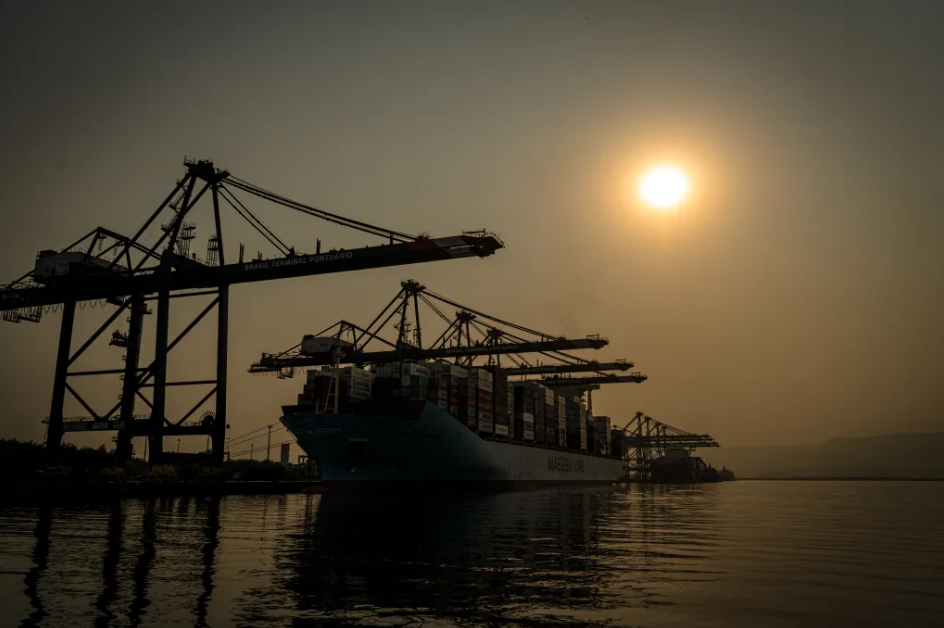
5 things to know: Our investigation into China’s shift to Latin American agriculture
This past year, China has significantly reduced purchases of U.S. agricultural exports in response to President Trump’s tariff hikes. U.S. farmers are struggling as Chinese companies have sought soybeans and other products from other countries such as , especially Brazil.
But this month, Investigate Midwest’s Monica Cordero took a closer look at just how much China has shifted and how its recent investments in Latin America could mean a long-term drop in U.S. purchases. Here are five takeaways from that investigation.
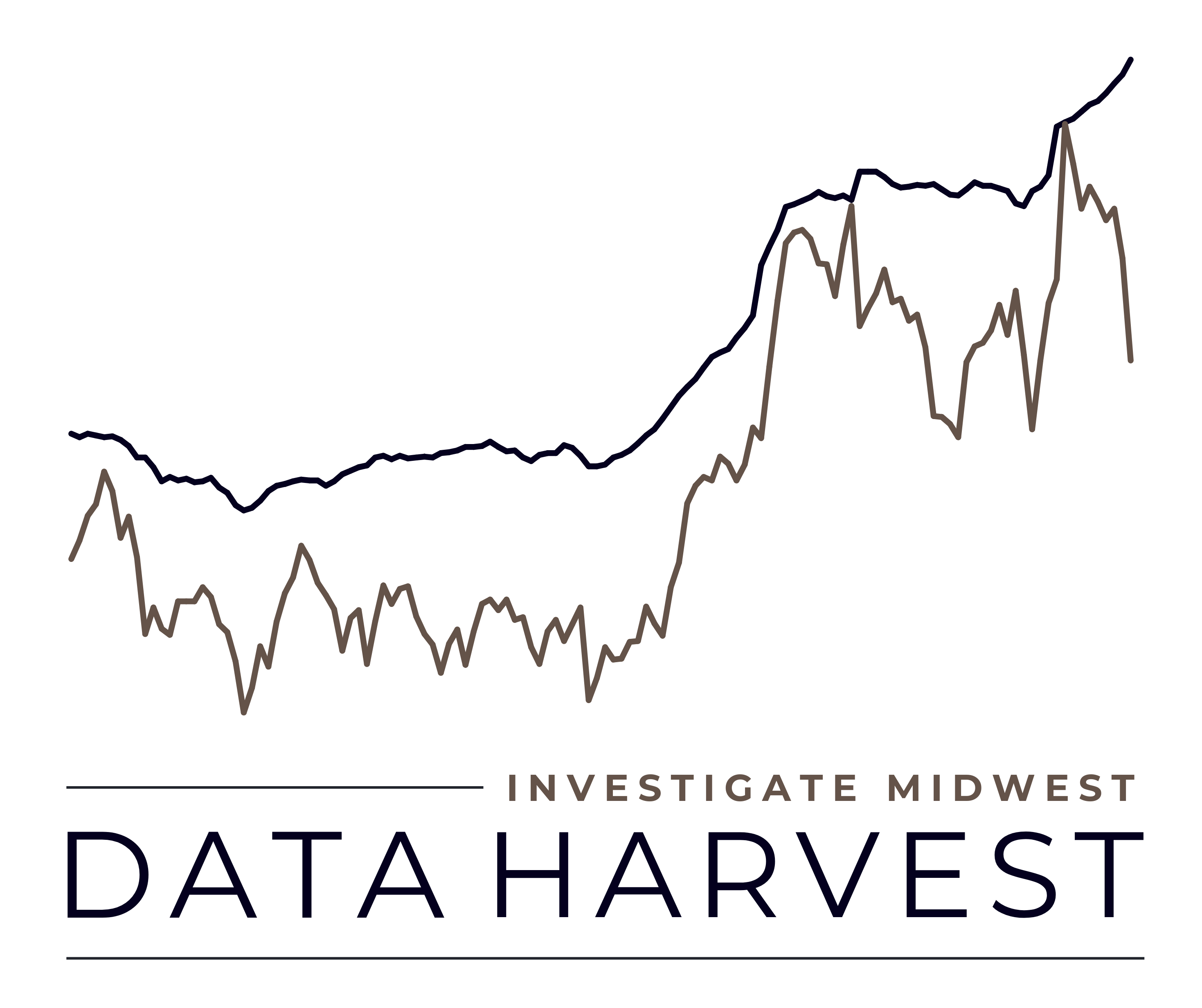
DATA HARVEST: The gap between farm costs and prices received hits a decade high
By Lauren Cross, Investigate Midwest
U.S. farmers are facing one of the widest gaps in a decade between what they pay to produce food and what they earn from selling it.
New USDA data released on Dec. 15 show that by October 2025, the prices paid index had climbed to 154.6, while the prices received index had fallen to 120.5. The agency measures the indexes against 2011 levels, which are set to 100, making it easier to see how prices have changed over time.
In practical terms, that means production costs were more than 50% higher than in 2011, while prices farmers received were only about 21% higher.
OPINION: Agriculturally speaking, 2025 was one big food fight
By Dave Dickey, Investigate Midwest
Longtime readers of this column know at year’s end I pick what I believe is the top agricultural story. But 2025 is different. The top ag story isn’t singular, but rather deals with the contentious hand-to-hand fighting over numerous agricultural issues involving anyone and everyone — the White House, Congress, the Courts, state governments, and agricultural advocates of all stripes. Increasingly these policy battles have nothing to do with making life better for the public at large.
From SNAP and the Farm Bill to “Food affordability” to immigration to growing farmer debt, it’s been a mess.