Boardrooms to barnyards: The stories that mattered in 2025
These past 12 months have brought significant changes to the nation’s agricultural system that have been felt by nearly everyone, from farmers to consumers. Investigate Midwest started the year with a renewed commitment to holding power to account and telling the stories of those most impacted by corporate and government forces.
Our newsroom reported on significant issues, including the trade war and its reshaping of the global food system. But our reporters also spent time in neighborhoods and on farms, covering how new immigration policies were impacting meatpacking towns and the technology gap facing rural America.
Our government reporting investigated the Trump administration, but we also dug into state capitols and local efforts to sway policy and regulations.
We reported on some of the world’s largest companies — Walmart, Tyson, ADM — and spotlighted unknown but influential meatpackers, ethanol producers and communications firms.
Here is a look at some of our biggest stories from 2025.
— Ben Felder, editor-in-chief
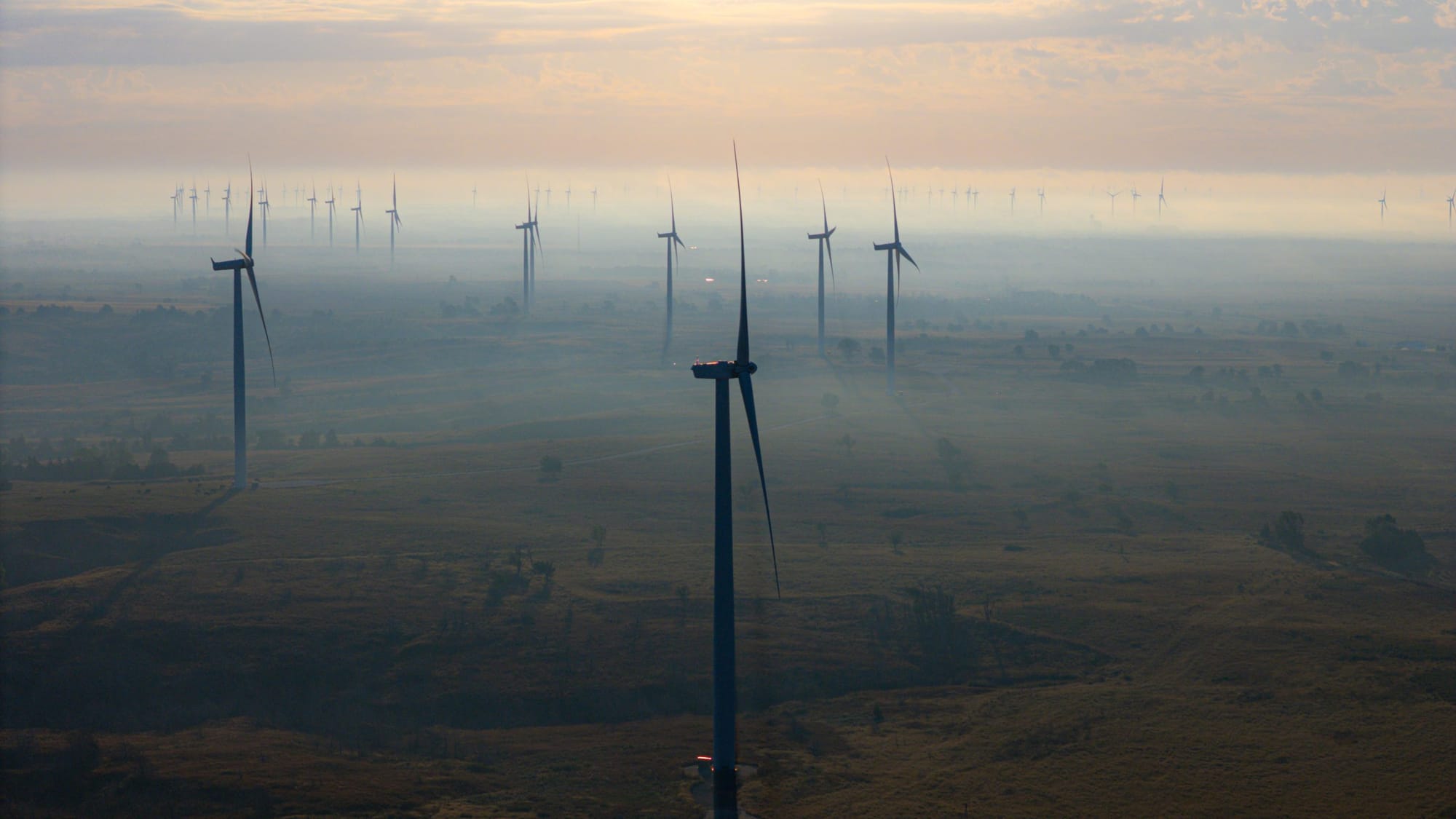
The best images from Investigate Midwest in 2025
As a nonprofit, Investigate Midwest often relies on a small network of trusted freelance photographers across the U.S., as well as reporters who pick up their cameras in the field to help us document stories that stretch far beyond our newsroom.
We work intentionally with freelancers across the country whose expertise brings depth and humanity to complex issues. They captured the lived reality of agriculture, labor, and environmental policy in ways words alone cannot.
Guided by our photo editor Darrell Hoemann, their images helped document some of the year’s most defining agriculture and labor stories covered by our newsroom, from wind farm projects and rising land values near Walmart’s headquarters to poultry farm expansion, Chicago’s food manufacturing sector, and the corporate reach of Jack Link’s.
DATA HARVEST: Trump promised lower food prices, but they are still going up
By Sky Chadde, Investigate Midwest
Starting in 2020, consumers faced skyrocketing grocery store prices. A few factors were at play.
The COVID-19 pandemic tied supply chains into knots. An outbreak of highly pathogenic avian influenza eradicated chicken and egg supplies. And Russia’s invasion of Ukraine increased energy costs, which had widespread effects on economies.
Because of all this, according to the U.S. Department of Agriculture, food prices increased in 2022 faster than in any year since 1979 — when the U.S. economy was reeling from the rising cost of oil.
Then, in 2024, food inflation began to ease, according to the USDA. The cost of cooking food at home increased 1.2% that year, as opposed to 5% in 2023.
Still, as he campaigned for a second presidential term, President Trump focused on affordability. He repeatedly promised to “defeat inflation” and lower food prices for consumers. (He’s since called affordability a “con job.”)