April 24, 2025 The Midwest Center For Investigative Reporting
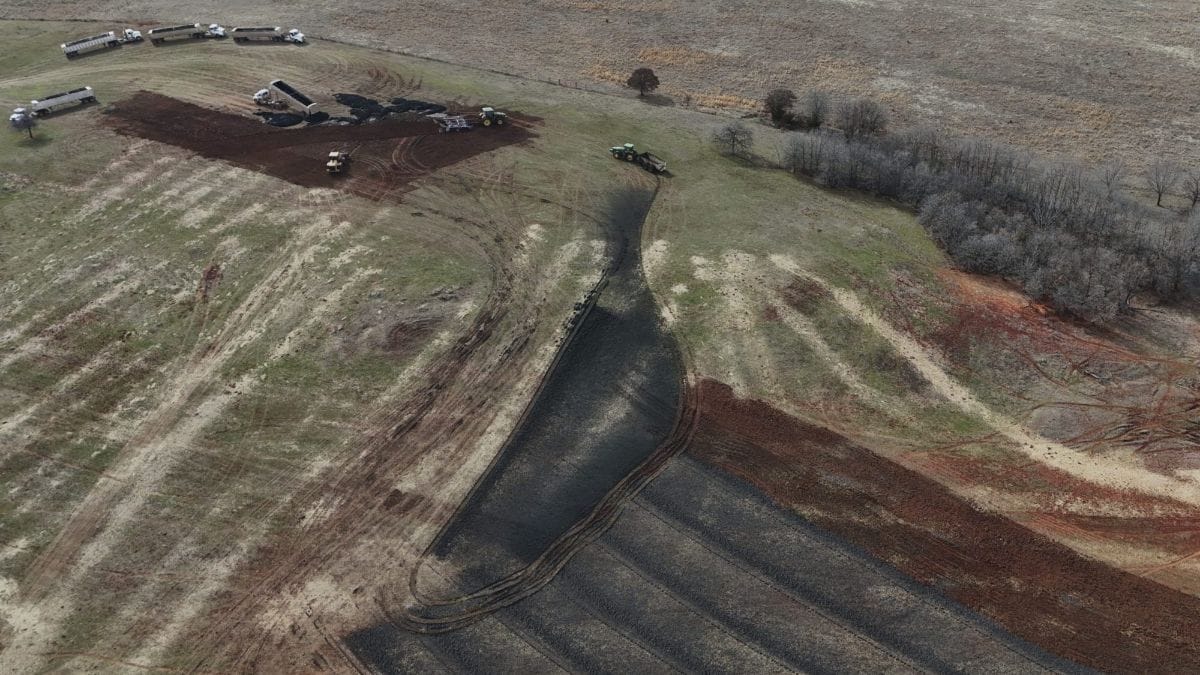
Despite new EPA warnings, biosolid fertilizer ban stalls in Oklahoma
Fertilizer made from processed sewage is widely used throughout the country, including in Oklahoma. The black sludge is a high-nutrient fertilizer that farmers often receive for free, as cities are happy to save money on further processing it or burying it in a landfill.
However, research has increasingly shown that biosolid fertilizers contain high concentrations of chemicals linked to various health problems.
In this week’s feature story, Juan Vassallo looks at the effort to ban biosolid fertilizer in Oklahoma. A proposed ban was advanced by the House but failed to receive a committee hearing in the Senate.
Municipalities have been “quite frankly, defecating on the rural communities that we represent,” said Sen. Shane Jett, a Republican who has been an outspoken critic of biosolid fertilizer use.
Juan’s story also examines how Oklahoma Farm Bureau Insurance recently notified customers that it will no longer cover damages related to biosolid fertilizer. Even the city of Oklahoma City, the largest producer of biosolid fertilizer, has recognized that the practice is unsustainable.
As many states across the country reconsider biosolid fertilizer use, Juan’s story is an important look at the state of this industry.
— Ben Felder, editor in chief
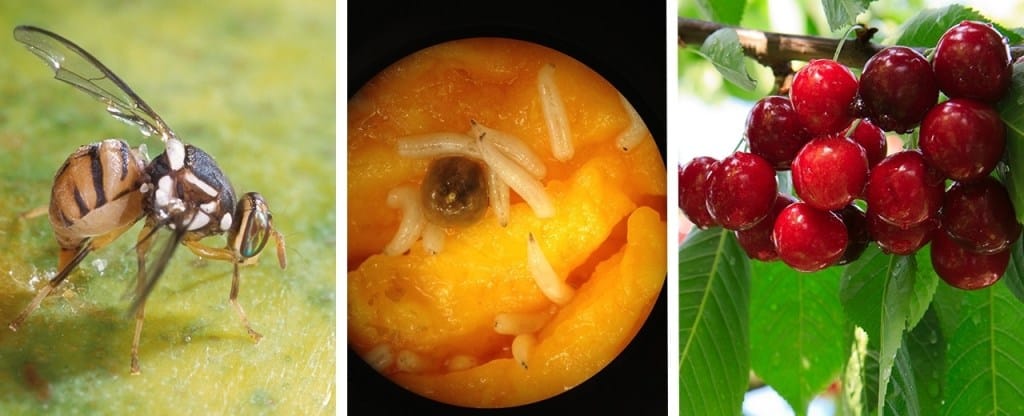
Several hundred workers who keep invasive pests out of the US accept Trump’s buyouts
By Sky Chadde, Investigate Midwest
Several hundred federal employees who help keep invasive pests and plant diseases out of the United States have accepted buyout offers from the Trump administration, which could leave the agricultural industry vulnerable to the destruction of valuable crops, according to two sources familiar with the matter.
About 3,000 employees work in the U.S. Department of Agriculture’s Plant Protection and Quarantine division. They inspect luggage at airports and shipments at ports of entry to ensure invasive species stay out of the country. They also survey forests for pests.
Read more here.

Once seen as niche, farmers’ markets are increasingly becoming vital for food access for low-income communities, with food stamp sales holding steady after a post-pandemic surge and amid policy changes.
Nationally, spending at farmers’ markets using Supplemental Nutrition Assistance Program (SNAP), formerly known as food stamps, rose from $13.3 million in 2013 to $70.6 million – a 431% increase – in 2023, the most recent data available.
That growth surged during the COVID-19 pandemic. Spending through SNAP at farmers’ markets, farm stands, pick-your-own operations, and Community Supported Agriculture (CSA) saw the sharpest increase among all retail channels, rising 77% from 2020 to 2021. The spike was driven by a temporary federal boost in benefits that ended on Sept. 30, 2021, according to data from the U.S. Department of Agriculture.
Interact with the graphics here.
OPINION: Canceling unsubstantiated climate-smart claims should start with Tyson Foods
By Dave Dickey, Columnist
Tyson Foods’ claim that it could reach net-zero greenhouse gas emissions by 2050 through “climate-smart beef” is laughable. The brass at Tyson unveiled its magical greenhouse gas-canceling Brazen Beef at the 2023 Annual Meal Conference in Dallas. Tyson told anyone willing to listen that Brazen Beef produces 10% less greenhouse gas emissions from pasture to production when compared to traditionally produced cattle.
Kent Harrison, Tyson vice president of fresh meat marketing and premium programs, says, “the science behind it is pretty complex and there are a number of ‘nodes’ that feed into the data, including cow/calf climate-friendly practices at the ranch, at the feedlot and at row crops we source for the feedlot and supplemental feed.”
HEATED, a climate accountability newsletter, tried to understand Tyson’s groundbreaking node process, but came away unimpressed. The Environmental Working Group came to the same conclusion and took Tyson to court in 2024, suggesting Tyson’s goal is less about reducing its greenhouse gas footprint and more about deceiving consumers into believing the malarkey.
Read more here.
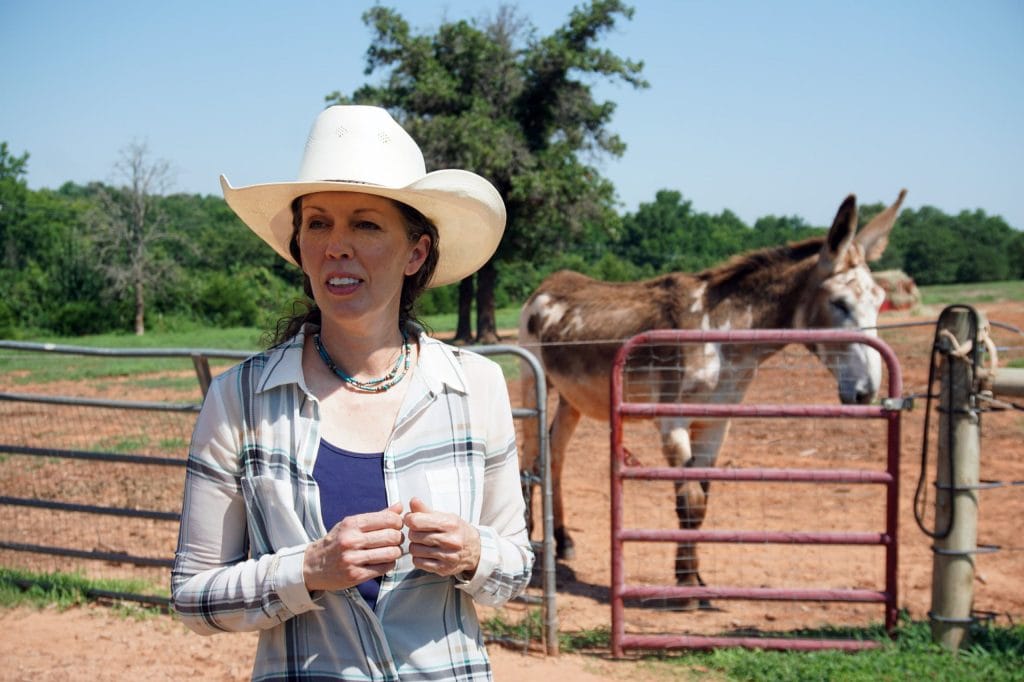
ICYMI: The backstory behind Oklahoma's sewage sludge debate
By Ben Felder, Investigate Midwest
As lawmakers stall a statewide ban on biosolid fertilizer (despite rising illness, lawsuits and insurance exclusions), our August 2024 investigation revealed how this billion-dollar industry took root. From local bans to corporate lobbying, revisit the foundation that set the stage for our latest investigation.
Read more.

Investigate Midwest is an independent, nonprofit newsroom. Our mission is to serve the public as a watchdog over influential agricultural corporations and institutions through in-depth and data-driven investigative journalism.