March 20, 2025 The Midwest Center For Investigative Reporting
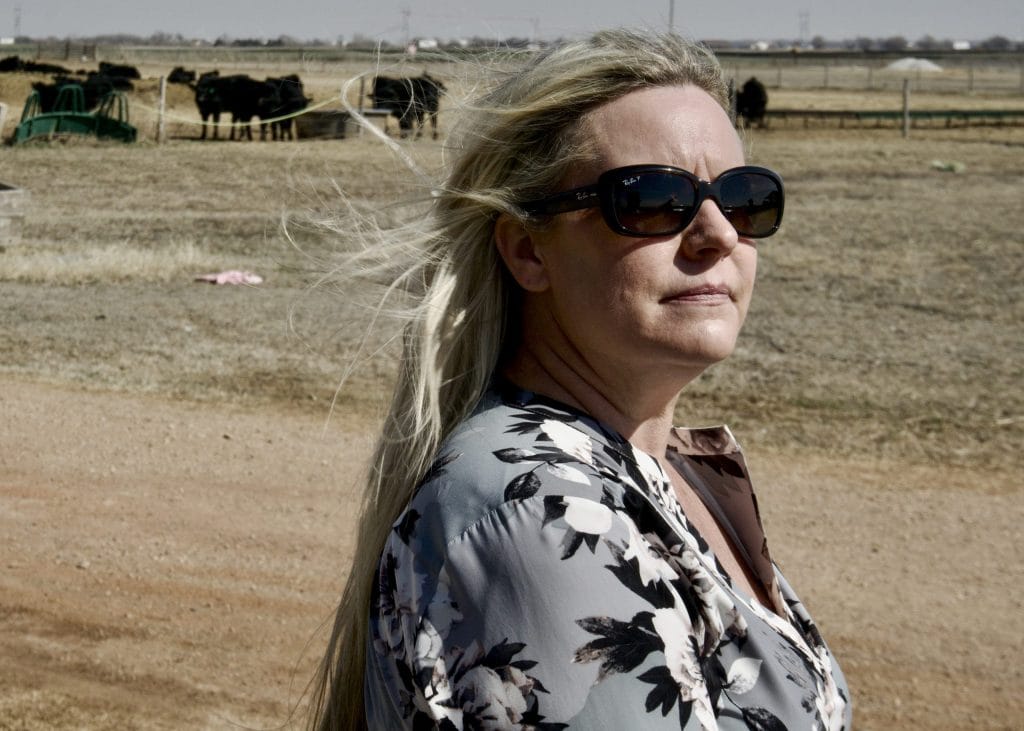
In Oklahoma, farmers are leading the ‘green energy’ rebellion
Wind and solar energy are big business in Oklahoma and it’s only getting bigger.
But some farmers are fighting back.
In this week’s feature story, Juan Vassallo investigated the plans for more than 50 battery storage plants across the state and the environmental and safety risks that come with them.
These plants, which often store power from nearby wind and solar farms, have caught on fire in other states. The fires have caused health problems in nearby residents and elevated levels of toxic metals in the soil.
Juan’s story explores how farmers are fighting back with lawsuits and lobbying for increased regulations on renewable energy projects.
“We’re tired of being the guinea pigs for green energy corporations,” said NeAnne Clinton, president of the Garfield County Conservation Coalition, which opposes a planned solar farm and battery storage plant.
However, the companies behind these projects are spending thousands of dollars to lobby state lawmakers and regulators.
While this story focuses on Oklahoma, it touches on an intensifying debate across the country as renewable energy efforts continue to grow.
You can read Juan’s story here.
— Ben Felder, editor in chief

Iowa’s polluted waterways rarely see improvement, yet lawmakers remain resistant to regulating industrial ag
By Mónica Cordero, Investigate Midwest/Report for America
More than four years ago, Terry Skahill bought land along the banks of the Yellow River in Allamakee County, Iowa, a place he had visited for decades to camp and kayak. But the retired electrician said he’s since witnessed the river transform. Its banks have widened due to flooding, and its water quality has declined sometimes to the point where kayaking on the river has become impossible.
“Terrible, terrible. It stunk so bad,” Skahill, 70, told Investigate Midwest last June, referring to a particularly polluted day for his stretch of the river in northeast Iowa. “And obviously, it’s coming out of all the feedlots, into the little streams, and whatever. And of course, they had just put all the fertilizer on the fields, and the fields weren’t yet growing. So there it is, right down the river.”
Pollution from industrial agriculture is one of the main contributors to the impairment of hundreds of river and lake segments across Iowa. As a result, many bodies of water fail to meet federal and state quality standards for drinking, swimming or fishing.
While some water segments have recovered over time, most remain impaired.
Read more here.
Concerns about brain cancer cases in Piatt County grow, but Illinois public health agency yet to investigate
By Molly Hughes, Stephanie Orellana and Nazala Salauddin, for Investigate Midwest
Lessie Ann Patterson lived in Monticello, Illinois, for 25 years before dying in 2015 from glioblastoma, a rapidly advancing brain cancer with an average survival time of 12 to 18 months.
Belinda Barnhart, Patterson’s stepdaughter, witnessed firsthand the effects of glioblastoma in her family.
“There was no clear reason why she ended up with it,” Barnhart said in an interview. “And then when you hear about so many of them in the Monticello area, you just think about all the devastation it has caused, and it does make you want to say, ‘Why is this one area so rife with glioblastoma specifically?’”
Patterson was one of many victims of brain cancer in Piatt County that have been identified by a local researcher and health professional, Caitlin McClain.
Read more.
Sign up for Investigate Midwest’s TextRural weekly roundup!
At Investigate Midwest, our mission is to make high-quality, public service journalism accessible to everyone. That’s why we’re launching a new text line — to make it as easy as possible for you to stay informed and connected.
When you sign up, every Friday you’ll receive a roundup of two to three stories we’ve published during the week, plus up to three stories from nonprofit newsrooms that also are members of the Rural News Network.
It’s simple! Text the keyword MIDWEST to 1-833-600-2220, or scan the barcode below. You’ll be all set to get our newsletter stories on the go.

Consumers saw a reprieve from fast-rising food prices in 2024, according to a U.S. Department of Agriculture analysis.
Last year, prices for all food increased by 2.3% — a stark contrast to the 5.8% jump in 2023, which far outpaced the historical average over the past two decades.
However, not all grocery staples followed the trend.
View the chart here.
OPINION: GOP owns tariff war pain inflicted on US farmers
ByDave Dickey, Columnist
Here’s a public service announcement to American farmers, particularly those living in GOP-controlled congressional districts: Whatever damages tariffs do to your farming bottom line going forward, you can absolutely, unequivocally, lay blame at the clay feet of the GOP.
It has become almost impossible to keep up with the tit for tat, on again-off again tariff war started by the U.S. against a host of nations including Mexico, Canada, Columbia, the European Union, and China.
But farmers and ranchers are well aware that American agriculture often bears much of the brunt of trade penalties, a lesson learned during President Donald Trump’s first term in the White House to the tune of an estimated $27 billion in lost exports. Seeking re-election, POTUS handed out billions of dollars in subsidies aimed at offsetting those trade-war losses. That cash didn’t make all farmers fiscally whole.
Now Trump is at it again, increasing tariffs on most all China exports to around 30%. Predictably, China responded with tariffs of its own targeting among other products U.S. chicken, pork, wheat, corn, soybeans, beef, and fruit.
Read more here.
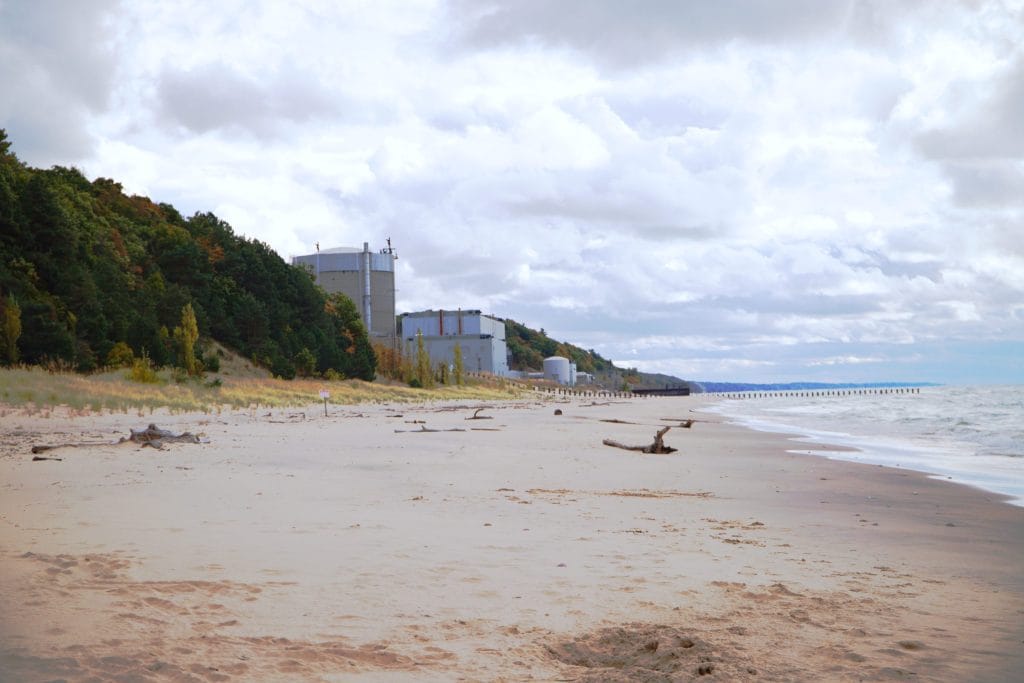
ICYMI: Risky Revival: How Michigan’s Palisades nuclear plant could impact agriculture
By S. Nicole Lane, for Investigate Midwest
From Michigan’s nuclear revival to Oklahoma’s battery energy storage boom, rural farmers are pushing back against large-scale energy projects.
Our past report from December explored how Michigan farmers feared contamination from the Palisades nuclear plant, just as Oklahoma ranchers now worry about battery storage fires and land devaluation.
With state leaders embracing these types of projects, are rural voices being sidelined? This week’s top story dives into the fight over energy storage plants in Oklahoma.
Read more.

Investigate Midwest has launched our first-ever membership program. It features several different investment levels, each with special member benefits.
You can learn more here.
Investigate Midwest is now on Bluesky!
Follow us at @investigatemidwest.bsky.social.
Investigate Midwest is an independent, nonprofit newsroom. Our mission is to serve the public as a watchdog over influential agricultural corporations and institutions through in-depth and data-driven investigative journalism.