July 16,2026
“They don’t have to tell us what they’re going to do about water, how much they’ll use. I’ve talked to the guys from Beltline a few times at these meetings, and I’ve gotten different answers.”
Pencia Truhan,
home and property owner in Yukon, Oklahoma
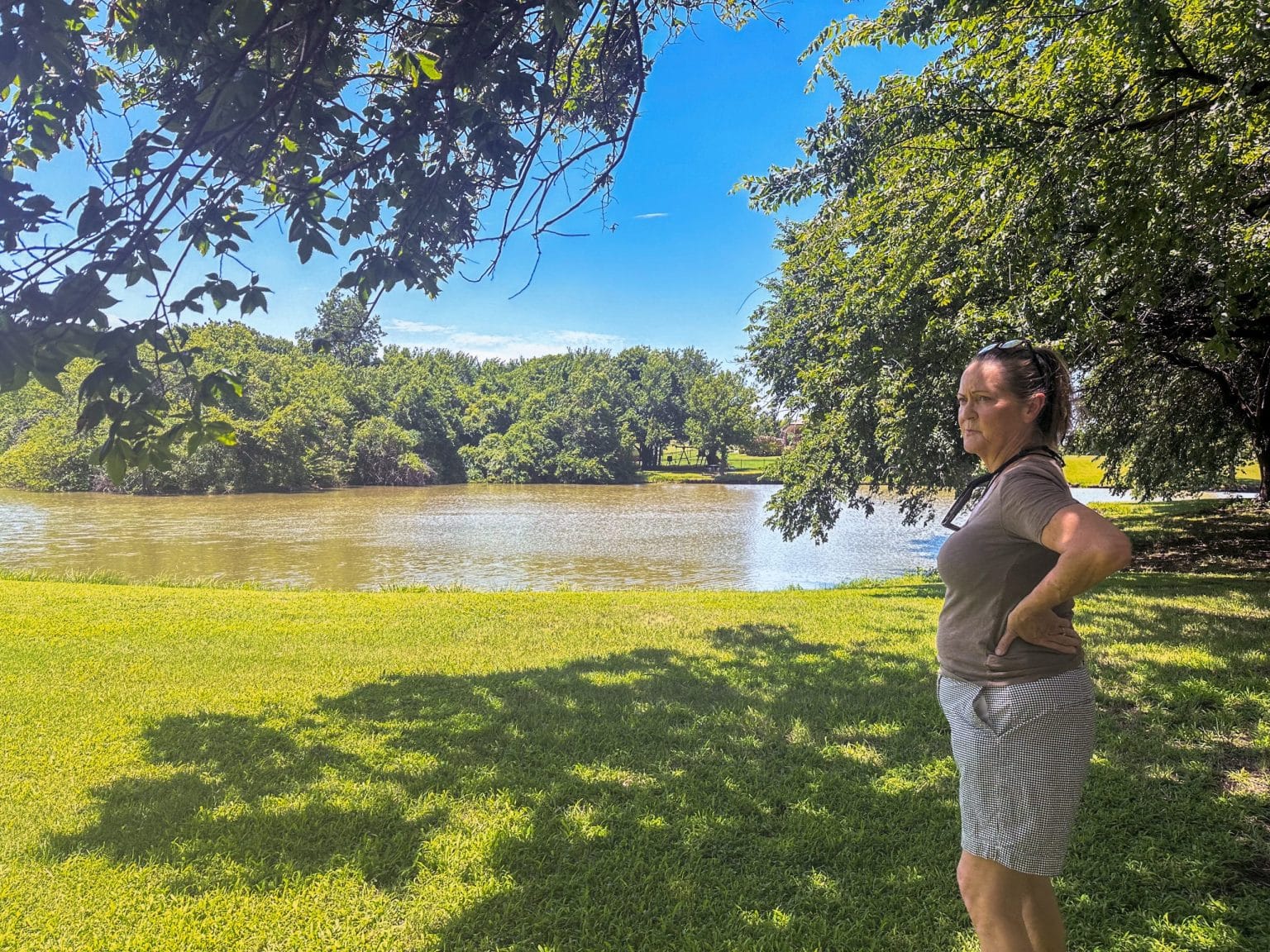
Oklahoma’s $15B data center blind spot
Artificial intelligence is fueling a historic construction boom in the United States, with companies investing more than $1.6 trillion in the data centers behind everything, from chatbots to cloud computing.
In Oklahoma, that boom is increasingly colliding with rural communities already grappling with drought, aquifer depletion and questions about who controls their water.
In this week’s story, reporter Juan Vassallo examines the backlash surrounding Beltline Energy’s proposed $15 billion data center campus outside Oklahoma City. The project would span 480 acres, include 15 buildings and sit less than half a mile from the home of Pencia Truhan, who fears the development will transform her quiet landscape she shares with rescue horses, chickens and a spring-fed pond.
Truhan’s concerns are shared by many other rural Oklahomans facing similar proposals, ranging from noise and higher electricity costs to declining property values and the loss of farmland. But their biggest frustration is water. Despite a new state law aimed at limiting groundwater use, Oklahoma has never issued a water permit to a data center. Instead, companies buy water directly from municipal utilities, creating a regulatory blind spot that leaves much of their consumption untracked.
The gap has become more urgent as cities weigh projects that could require enormous amounts of water. Yukon officials are considering an agreement to sell Beltline up to 2.5 million gallons of wastewater a day, more than Google’s Pryor data center, which consumes 1.1 billion gallons annually.
“They don’t have to tell us what they’re going to do about water, how much they’ll use,” Truhan said. “I’ve talked to the guys from Beltline a few times at these meetings, and I’ve gotten different answers. They don’t even know what they’re doing or what their plan is.”
Read Juan’s investigation into the loophole that leaves Oklahoma’s data center water use largely hidden, and the growing fight over who gets to shape the future of rural communities.
— Lauren Cross, assitstant editor & audience manager
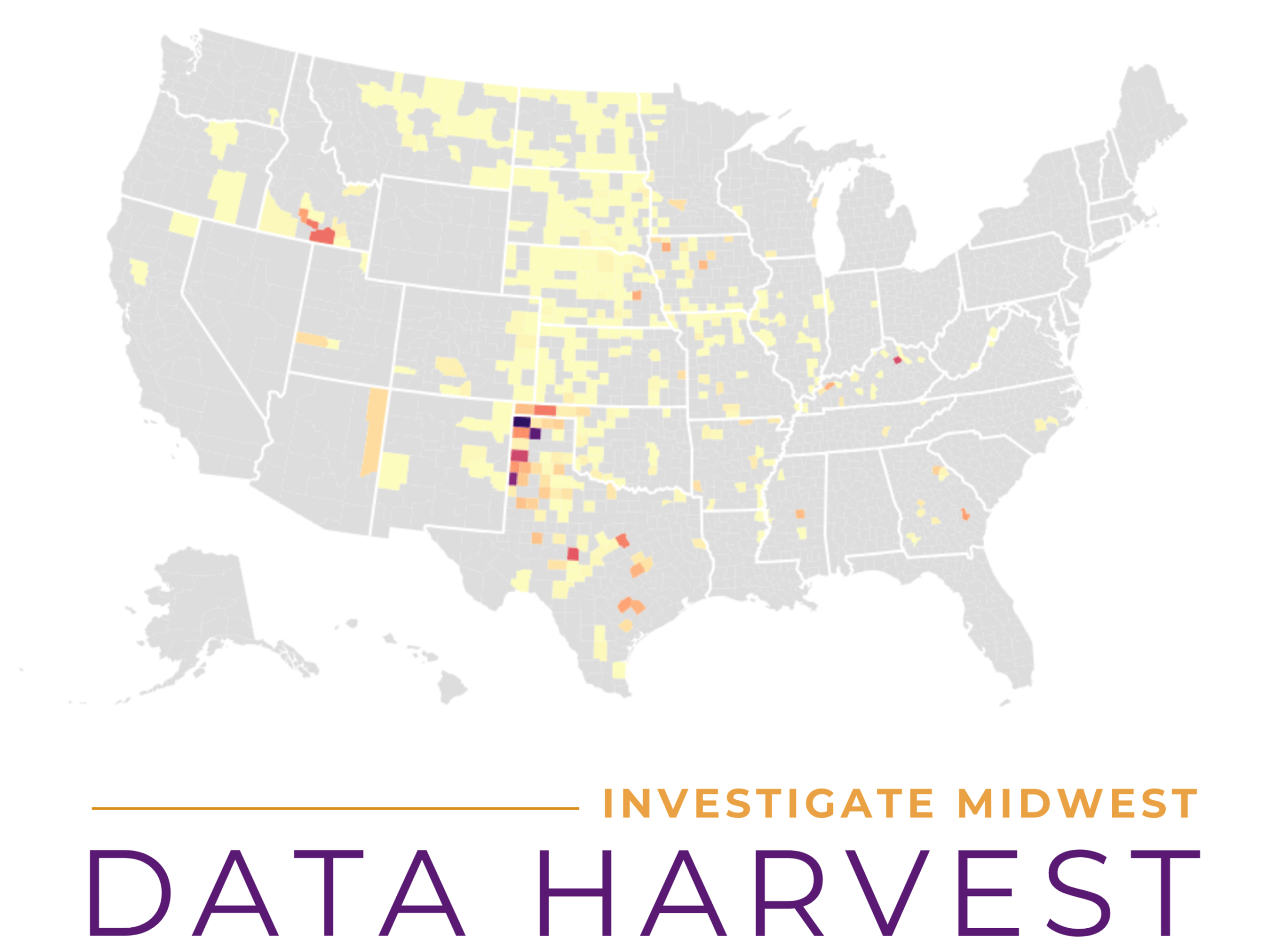
DATA HARVEST: What ICE arrests looked like in farm counties last year
By Sky Chadde, Investigate Midwest
About a third of counties most dependent on farm labor for their economies had ICE arrests in 2025, more than in previous years, according to an analysis of federal data.
The increase came as the Trump administration pursued mass deportations of immigrants throughout the country. The campaign largely focused on sending law enforcement agents to major cities, which resulted in the deaths of two U.S. citizens in Minneapolis (and less employment). However, rural communities faced activity as well, such as a large raid in Idaho last year that threatened the harvest season.
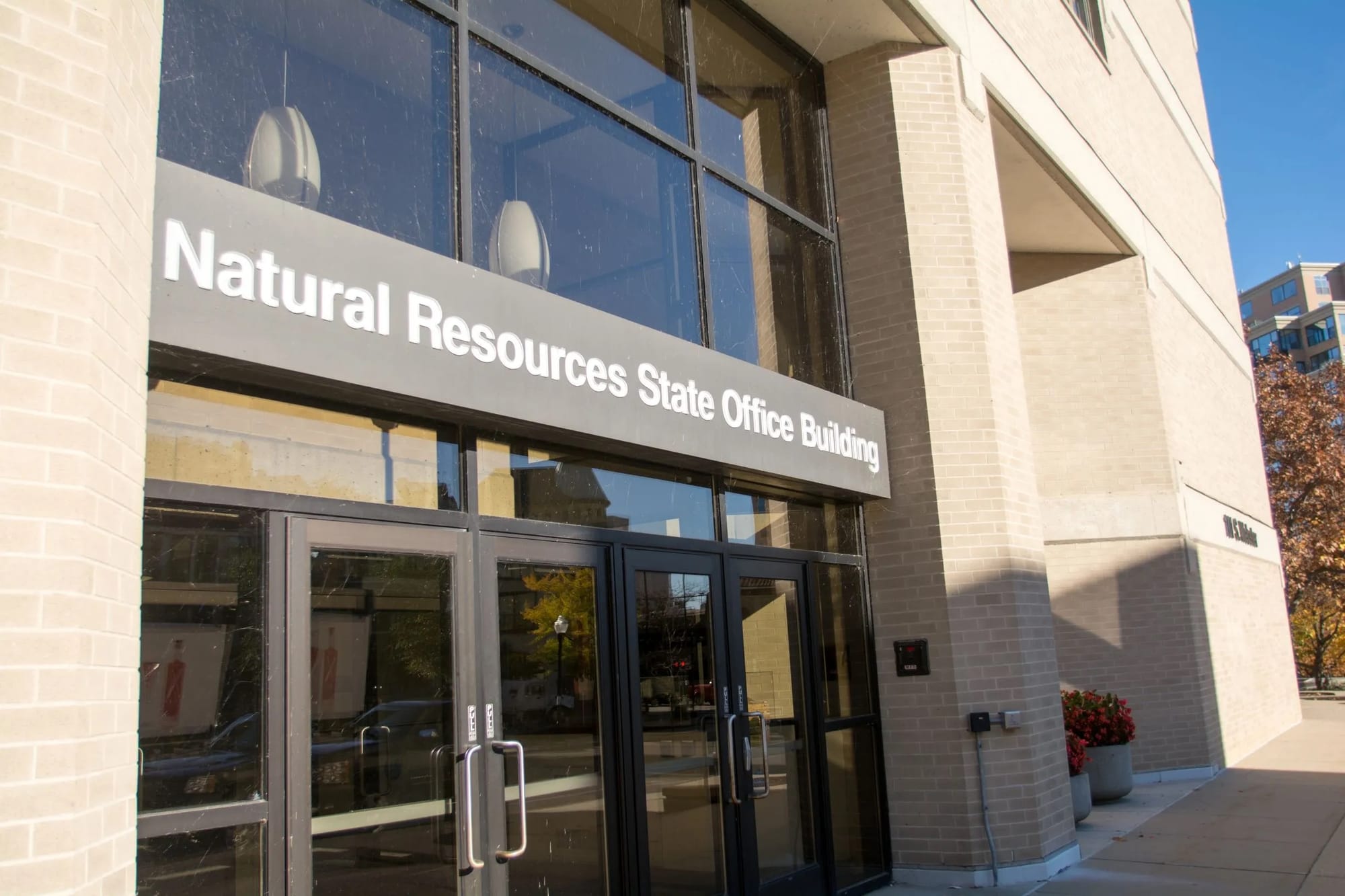
ICYMI: Wisconsin’s struggle to oversee its CAFOs
A March 2026 investigation by John McCracken examines Wisconsin’s inability to maintain a 20-to-1 staffing target to oversee the CAFO program. Federal cuts have left Wisconsin’s Department of Natural Resources understaffed, which leads to more farms per staff, permit backlogs and local water systems becoming polluted.
Connect with us on social media!
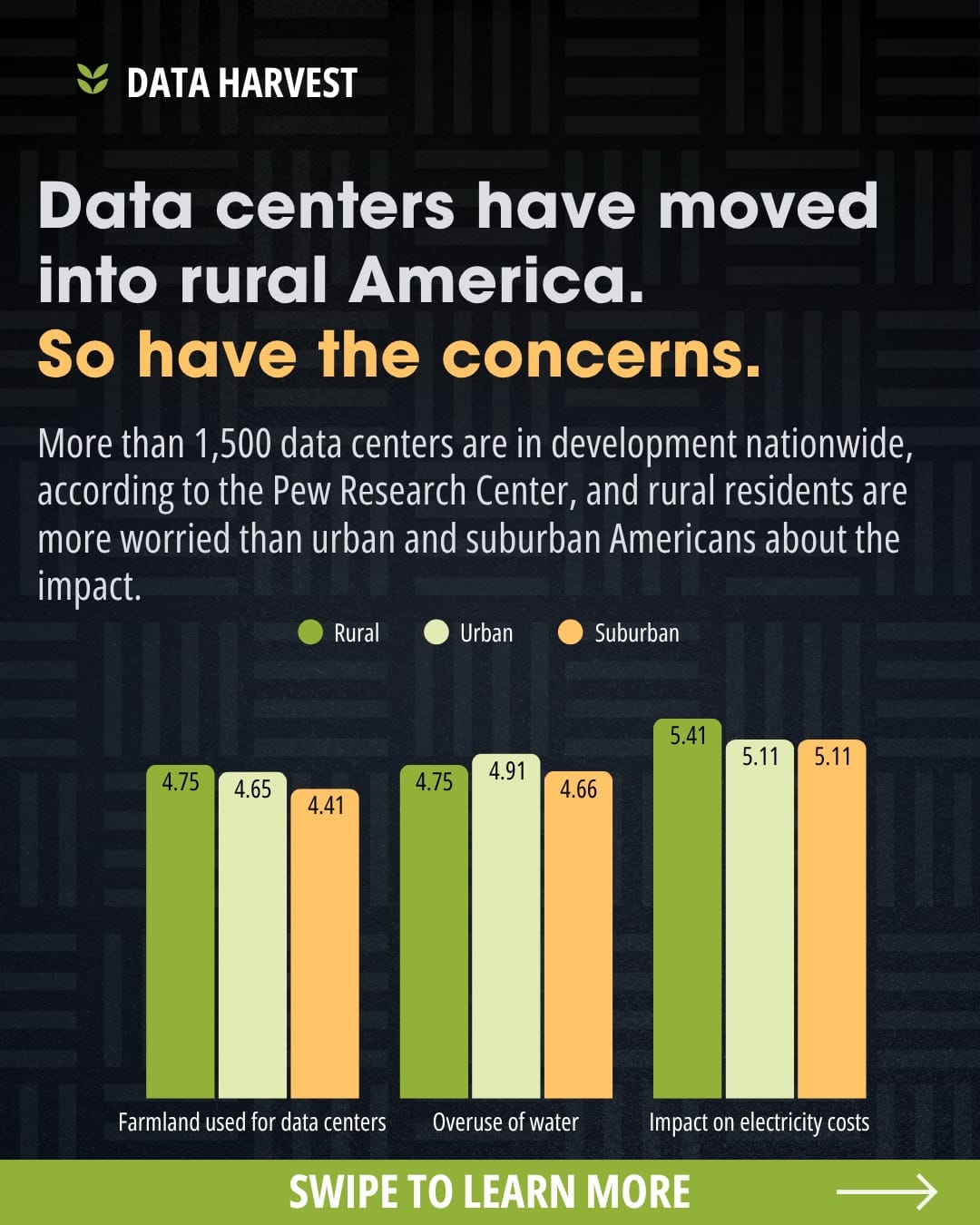
Data center projects continue to sprout across rural communities in the United States. As development grows, so do the rural residents’ concerns on its impact on electricity costs...