Thursday, April 25, 2024 Midwest Center for Investigative Reporting
Cherokee Nation chief: Meat processing 'in the hands of far too few people and far too few corporations'
When the Cherokee Nation opened its own meat processing plant in 2022, principal chief Chuck Hoskin said it was an attempt to level the playing field in meat production, an industry that had become dominated by multinational corporations.
“There is in this region and in this country far too little capacity for meat processing and it's in the hands of far too few people and far too few corporations,” said Hoskin, speaking at his tribe’s plant opening in Oklahoma.
In recent years, multiple Oklahoma tribes have opened their own meat processing plants, which has helped expand options for local independent ranchers and improved food sovereignty for tribal communities that have felt the impact of cattle consolidation harder than other regions of the country.
Investigate Midwest took a closer look at the effort within tribal communities to take control of local meat production, the early lessons being learned and ways tribal leaders say the federal government can support its growth.
— Ben Felder, Oklahoma reporter
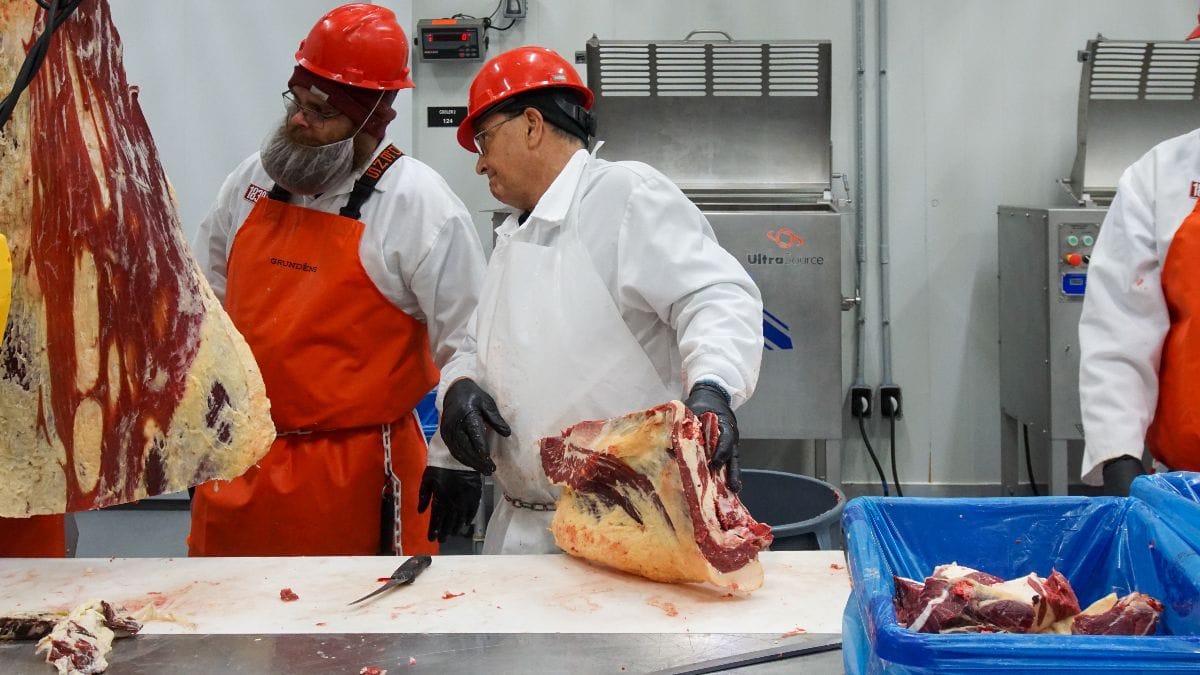
How tribes are reversing years of consolidation within the cattle industry with their own meat processing plants
By Ben Felder, Investigate Midwest
Today, cattle ranchers across the country have fewer processors to sell to, which many say has deflated their profits. Those who have tried to remain independent often don’t have a small meatpacker nearby to do business with.
But the impact of consolidation has been especially jarring in America’s tribal communities, where the rate of plant closures has exceeded the national average. In Oklahoma, three tribes have opened facilities.
Read more.
GRAPHIC: China returns as one of top poultry export destinations
By Ben Felder, Investigate Midwest
Ten years ago, China was the fourth-largest destination for U.S.-produced poultry products, accounting for $315 million in export value, according to data from the Foreign Agriculture Service.
See the graphic.
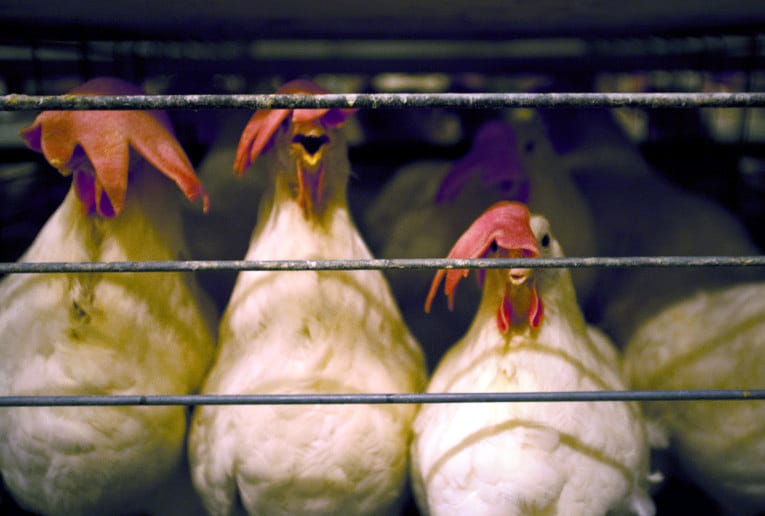
OPINION: Net zero emission pledges by JBS must be more than hot air
By Dave Dickey, Columnist
In his latest column, Dave Dickey digs into the effect industrial agriculture has on the environment and the quest to do something about it. He'd like to see specifics on some of the plans. He writes:
"It’s all the rage. Companies rolling out advertising campaigns and plans to reach net zero emissions by such and such a date.
"Astonishingly including JBS, the biggest meat company in the world. In March of 2021, JBS pledged to reach net zero greenhouse gas emissions by 2040 through emission reductions in their operations and by offsetting all residual emissions."
Read more.
News from our partners
Iowa environmental groups ask EPA to protect drinking water from agricultural runoff By the Cedar Rapids Gazette
Investigate Midwest is an independent, nonprofit newsroom. Our mission is to serve the public as a watchdog over influential corporations and institutions through in-depth and data-driven investigative journalism.