May 16, 2024 The Midwest Center For Investigative Reporting
Tyson’s plants discharged harmful nitrogen into environment
In 2021, the state of Alabama announced a $3 million settlement with Tyson Foods, one of the largest meat companies in the U.S. Alabama alleged Tyson dumped thousands of gallons of wastewater into the state's rivers.
The thousands of gallons were just a small portion of the pollution Tyson's facilities released into waterways between 2018 and 2022, according to new research from the Union of Concerned Scientists. During those years, the company released about 370 million pounds of pollution, including nitrogen, which can harm plant and animal life.
Tyson told St. Louis Public Radio that it was compliant with all EPA regulations, and that it has a "robust management system" to mitigate environmental risks.
— Sky Chadde, assistant editor/senior reporter
Union of Concerned Scientists report: Tyson Foods released 371.7 million pounds of pollution into US waterways
By Eric Schmid, St. Louis Public Radio
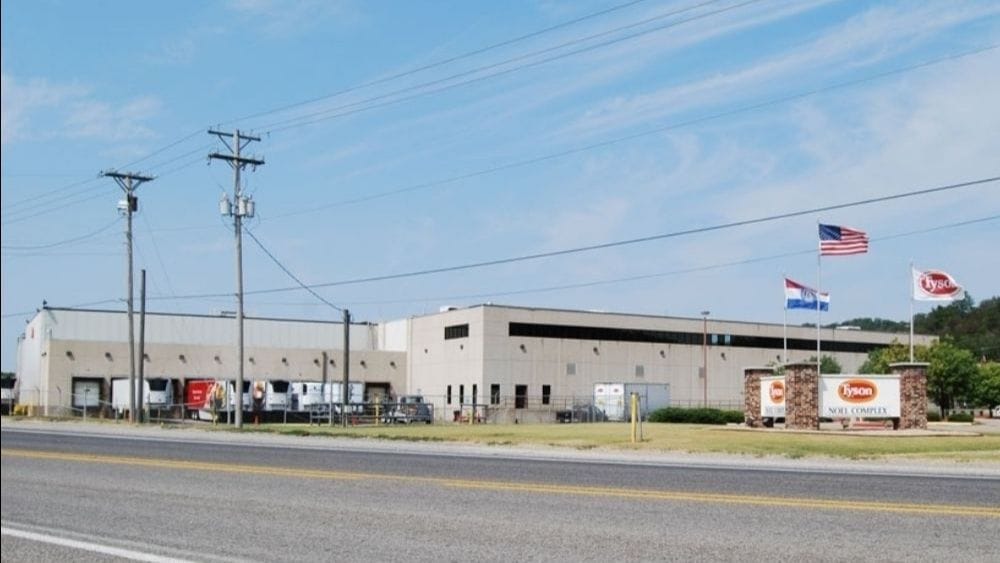
Meat processing company Tyson Foods released at least 371.7 million pounds of pollution into U.S. waterways between 2018 and 2022, according to a report released April 30 from the Union of Concerned Scientists.
It’s the first time Tyson’s individual impact on the environment has been examined in this way, said Omanjana Goswami, one of the study’s authors. She said one of the goals of this study was to help consumers understand how major food companies with deep market penetration affect the environment.
“Companies like Tyson Foods have a massive hold on our farming system,” she said. “If you’ve bought chicken at the supermarket or if you’ve eaten nuggets at McDonalds, you’ve most likely been a consumer of Tyson Foods. It’s really hard to avoid.”
Read more.
What you need to know about Tyson’s former contract growers
By John McCracken, Investigate Midwest
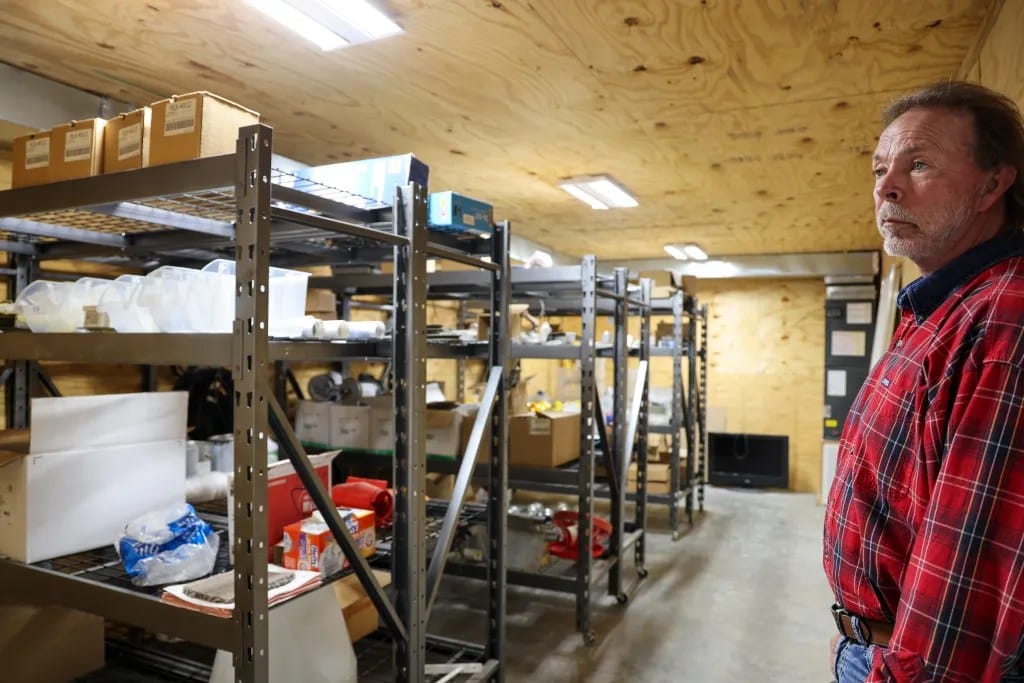
Farmers who raise chickens for Tyson Foods are stuck with mountains of debt after the company closed six chicken processing plants across the country in 2023.
Here are the five major takeaways from this story we brought to you last week:
- Chicken farmers often have large amounts of debt.
- Despite rising costs and debt loads, growers said Tyson continued to ask for upgrades and investments or they would lose their contracts.
- Former Tyson growers said the company promised they would get enough chickens to pay off loans.
- Tyson Foods shuttered processing plants and canceled contracts with growers in an effort to cut costs and “drove out waste” in the company.
- The barns Tyson chicken growers have are built with the company in mind, making transitioning to other poultry growing complicated and expensive.
Read more.
GRAPHIC: High-speed internet access for farmers varies by state
ByMónica Cordero, Investigate Midwest/Report for America
Access to reliable high-speed internet is a convenience and a necessity for people because it enables more affordable and efficient use of essential services such as education, health care, public safety, and government services. In agriculture, high-speed internet can help farmers practice precision agriculture.
Across the country, 55% of farms have broadband access. In the Midwestern states, only farms in Missouri and Illinois report broadband access rates below the national average, at 48% and 47%, respectively.
View the graphic.
OPINION: Response to avian flu in US dairy herd lacking
By Dave Dickey, Columnist
On March 25, the U.S. Department of Agriculture announced that avian influenza has been detected for the first time ever in dairy cattle. A month later, on April 23, the Food and Drug Administration reported that genetic material from H5N1 bird flu is in the commercial milk supply.
And as of May 6, USDA had identified infected herds in nine states — Texas, Kansas, New Mexico, Michigan, Idaho, Colorado, North Carolina, Ohio, and South Dakota.
On April 5, CDC reported the first cow-to-human infection of H5N1 in a person in Texas working with dairy cows.
It’s fair to say that the outbreak is evolving, making it crucial that federal, state and local actors play nice in the sandbox together for the good of the public.
Thus far, that has not been the case.
Read more.
Investigate Midwest is an independent, nonprofit newsroom. Our mission is to serve the public as a watchdog over influential corporations and institutions through in-depth and data-driven investigative journalism.