“A lot of the strongest cases that are able to make it into litigation are the more aggressive, late-stage (cases).”
— Amanda Starbuck
researcher with Food & Water Watch
DATA HARVEST: Mapping glyphosate use and cancer rates
For years, lawsuits over glyphosate-based herbicides like Roundup have centered on one key question: Could widespread pesticide exposure be contributing to cancer? A new analysis by the advocacy group Food & Water Watch adds fresh data to that debate.
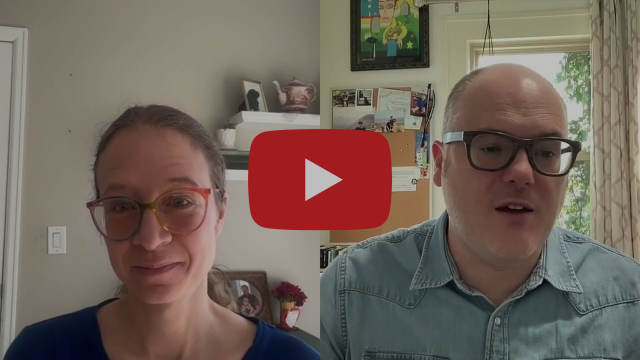
This week, Ben Felder, editor-in-chief at Investigate Midwest, mapped out Food & Water Watch’s latest findings, which included late-stage diagnosis, the stage of many plaintiffs who have sued large agricultural companies over cancer diagnoses.
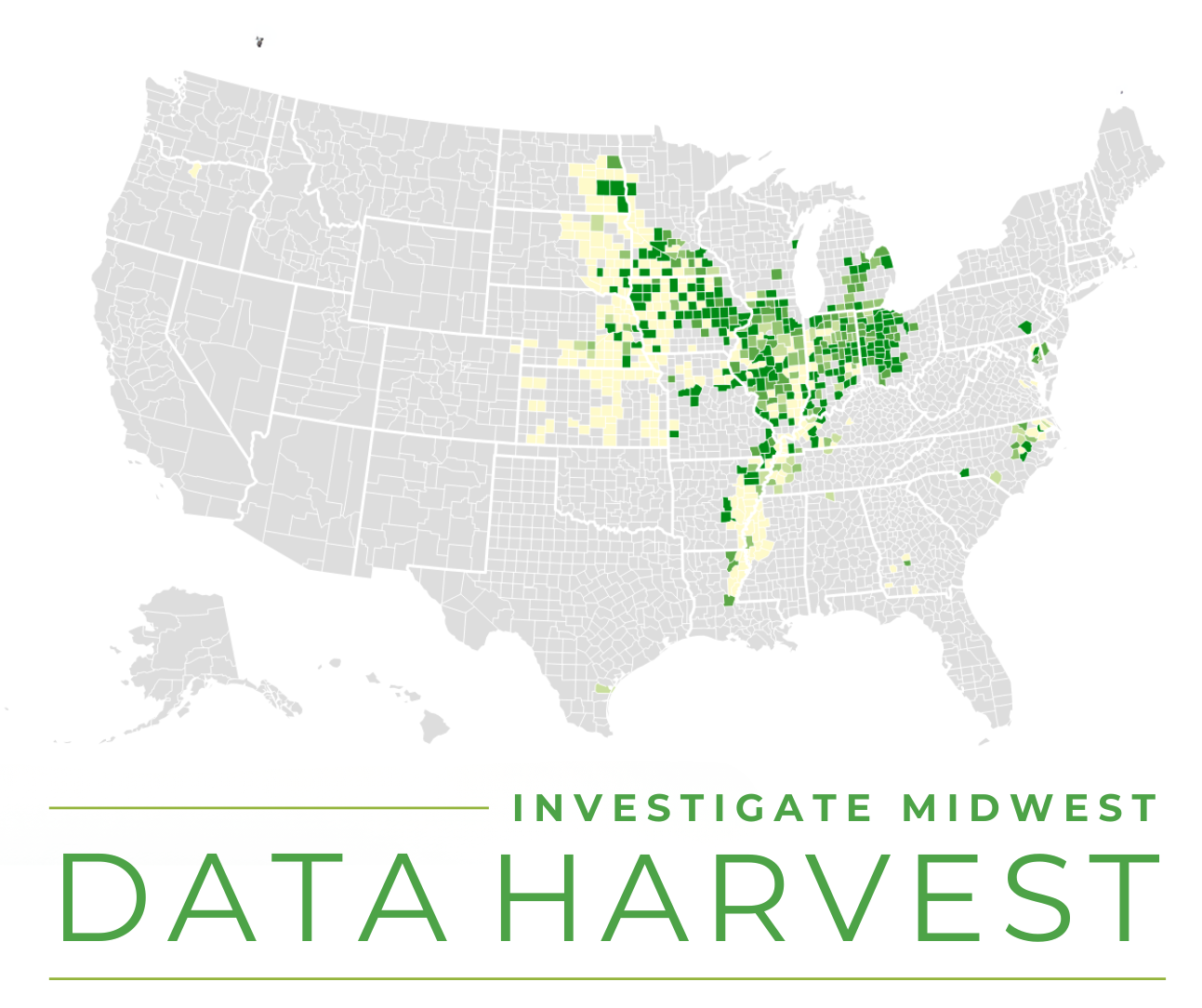
The analysis builds on Felder’s recent investigation published in partnership with the Pulitzer Center’s StoryReach U.S. Fellowship that found 60% of the top 500 counties for pesticide use had overall cancer rates above the national average.
As part of his reporting, Felder interviewed Amanda Starbuck, a research director for Food & Water Watch, about her organization’s new report on cancer rates and why this is a pivotal time for pesticide policy.
You can watch the interview here.
— Lauren Cross,
assistant editor & audience engagement manager
Are backyard chickens actually cheaper than buying grocery store eggs?
When egg prices surged a few months into President Trump’s second term during a bird flu outbreak, U.S. Agriculture Secretary Brooke Rollins suggested people could save money by raising backyard chickens — advice that was met with a mix of skepticism and curiosity.
Investigate Midwest meat industry reporter John McCracken decided to track the numbers himself.
After buying backyard chickens, he logged every egg his hens produced and every dollar he spent on feed, supplies, and care. The result: a dataset showing what backyard eggs really cost.
During a lightning talk at the Investigative Reporters & Editors 2026 NICAR conference earlier this month in Indianapolis, McCracken walked through the data behind his backyard flock.
Our Iowa-based reporter Mónica Cordero also presented at NICAR, leading a session on Google Sheets fundamentals for journalists. It marks the third year she has participated in the conference — from serving on panels to helping fellow reporters build skills in organizing and analyzing data for investigations.
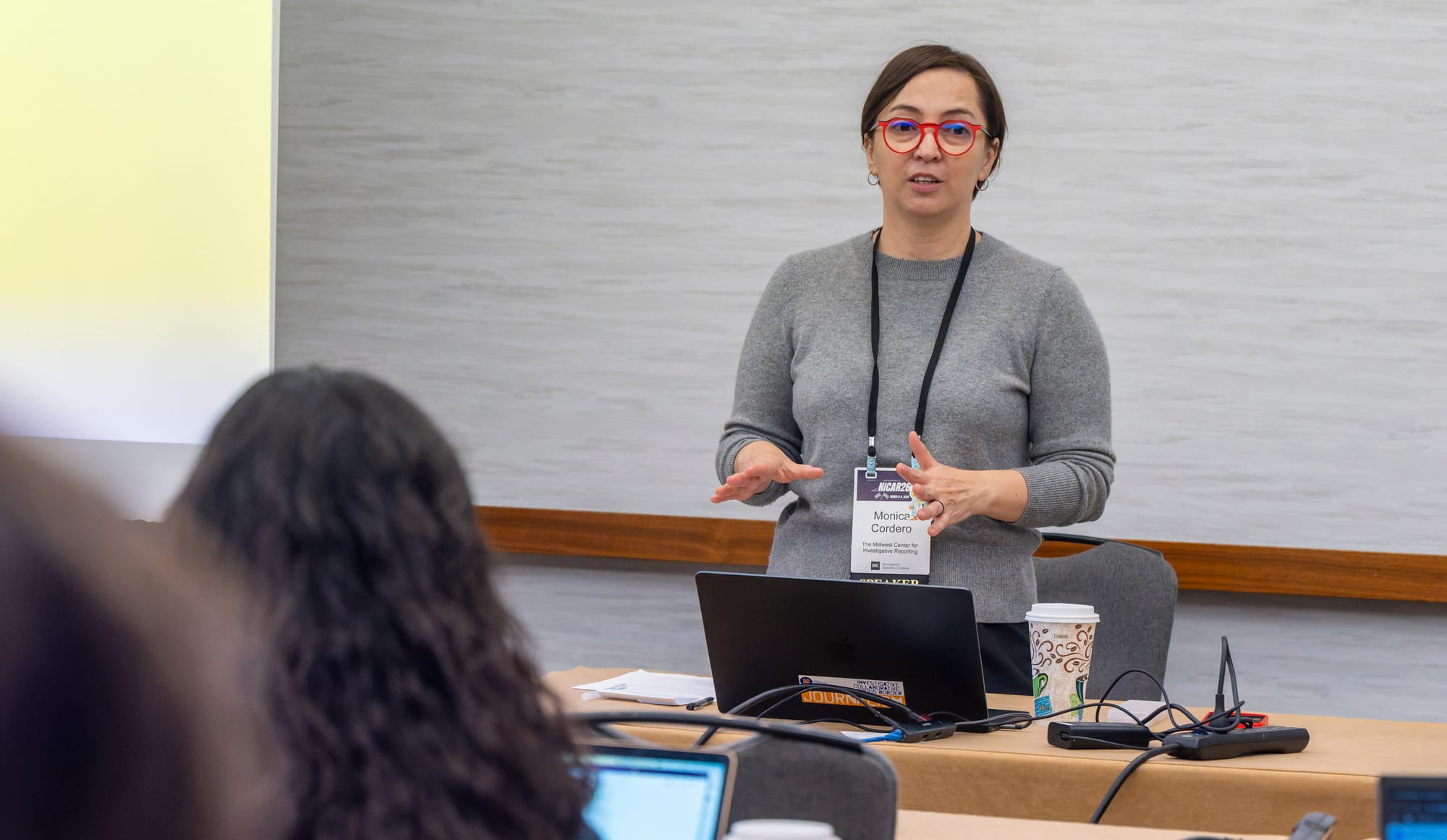
NICAR is one of the leading conferences for data journalism, bringing together reporters, editors, and developers from newsrooms across the country to share tools and techniques for investigative reporting.
It was also a nice opportunity for the team, spread out across several states, to catch up in person.
Upcoming listening sessions
Later this year, we are kicking off a series of community listening sessions, where feedback from readers and residents will directly inform the way we approach the ag beat. These virtual gatherings are designed to hear directly from readers, farmers, workers, and residents about the issues affecting their communities.
If you’re interested in attending one of our sessions, let us know at the link.
ICYMI: Global tensions, rising fertilizer concerns
By Lauren Cross, Investigate Midwest
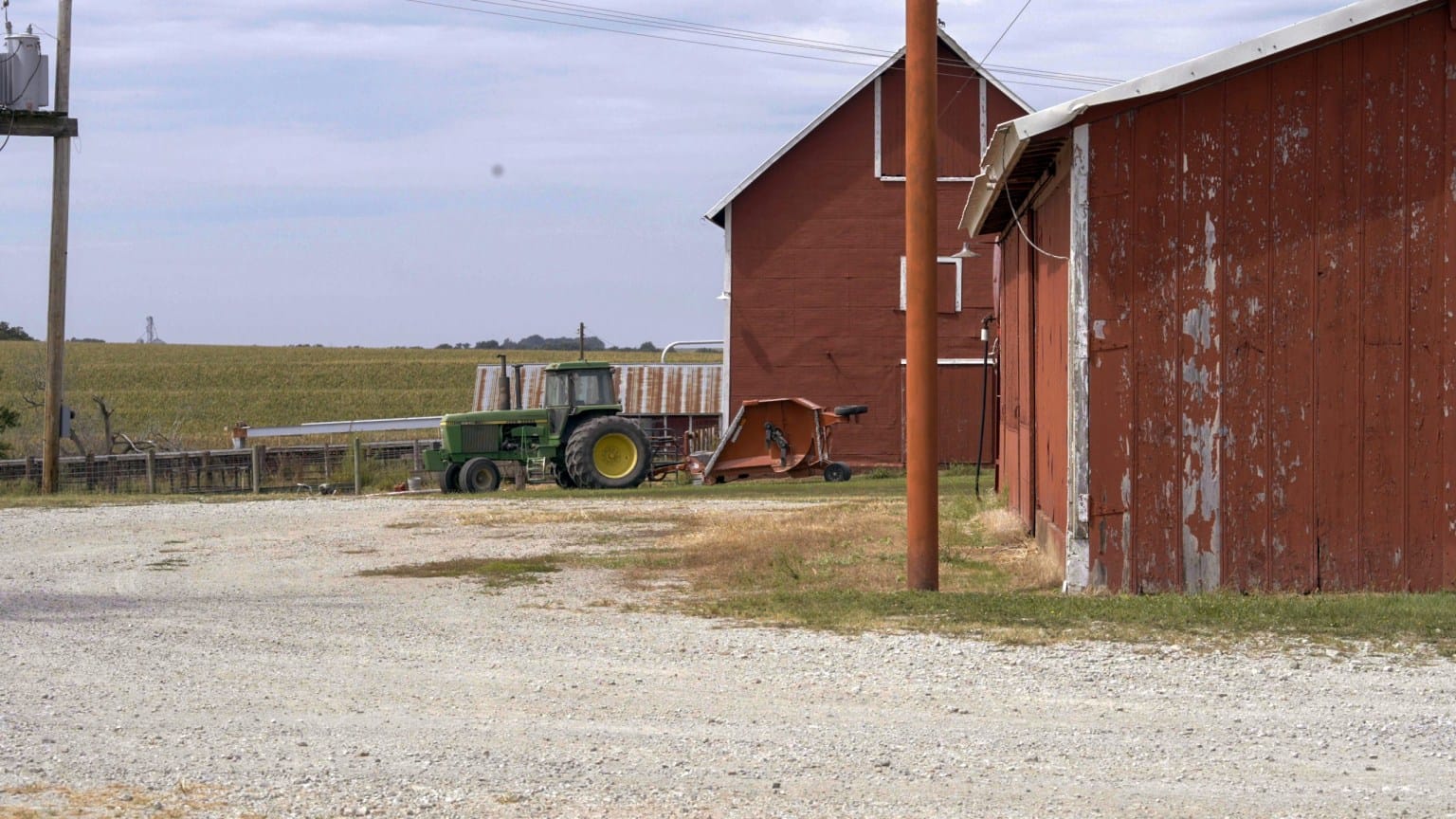
Conflict in the Middle East is drawing renewed attention to fertilizer markets, where global instability can quickly influence costs for farmers.
Across the Midwest, farm leaders say prices have been unpredictable.
There are also ongoing concerns about limited competition and how the industry is structured.
Our past reporting examined those same pressures, including how rising input costs are affecting farmers and what federal agencies have been reviewing.
An evening of stories about belonging, identity, and place
Join us the evening of April 15 for Not From Here, a live storytelling in Iowa City featuring personal narratives about place, identity, and navigating unfamiliar spaces.
The heart of the program includes live storytelling featuring speakers sharing personal, off-script narratives. Storytellers will offer intimate, 10-minute stories exploring experiences of movement, transition, and what it means to navigate spaces and communities where one may feel like an outsider. The event welcomes a wide range of perspectives, encouraging meaningful conversation and shared understanding through the power of storytelling.
In addition to the storytelling program, the event includes interactive engagement, trivia, and a silent auction.
Events like this help fund our reporting, expand community engagement, and create space for the conversations that shape our coverage.
Trumpet Blossom Cafe
310 East Prentiss St.
Doors open at 5:30 p.m. | Program starts 6:30 p.m.
Follow us on social media and get text alerts
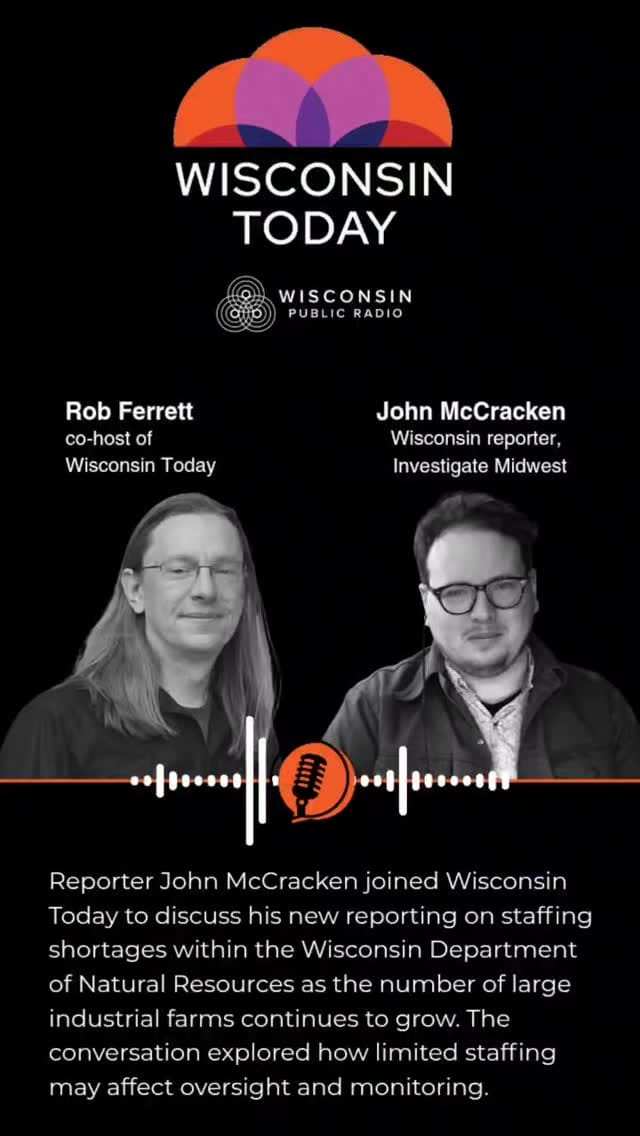
Investigate Midwest reporter John McCracken joined Wisconsin Public Radio's "Wisconsin Today" to discuss his latest investigation into staffing shortages at the Wisconsin...