June 15, 2023 www.investigatemidwest.org Midwest Center for Investigative Reporting
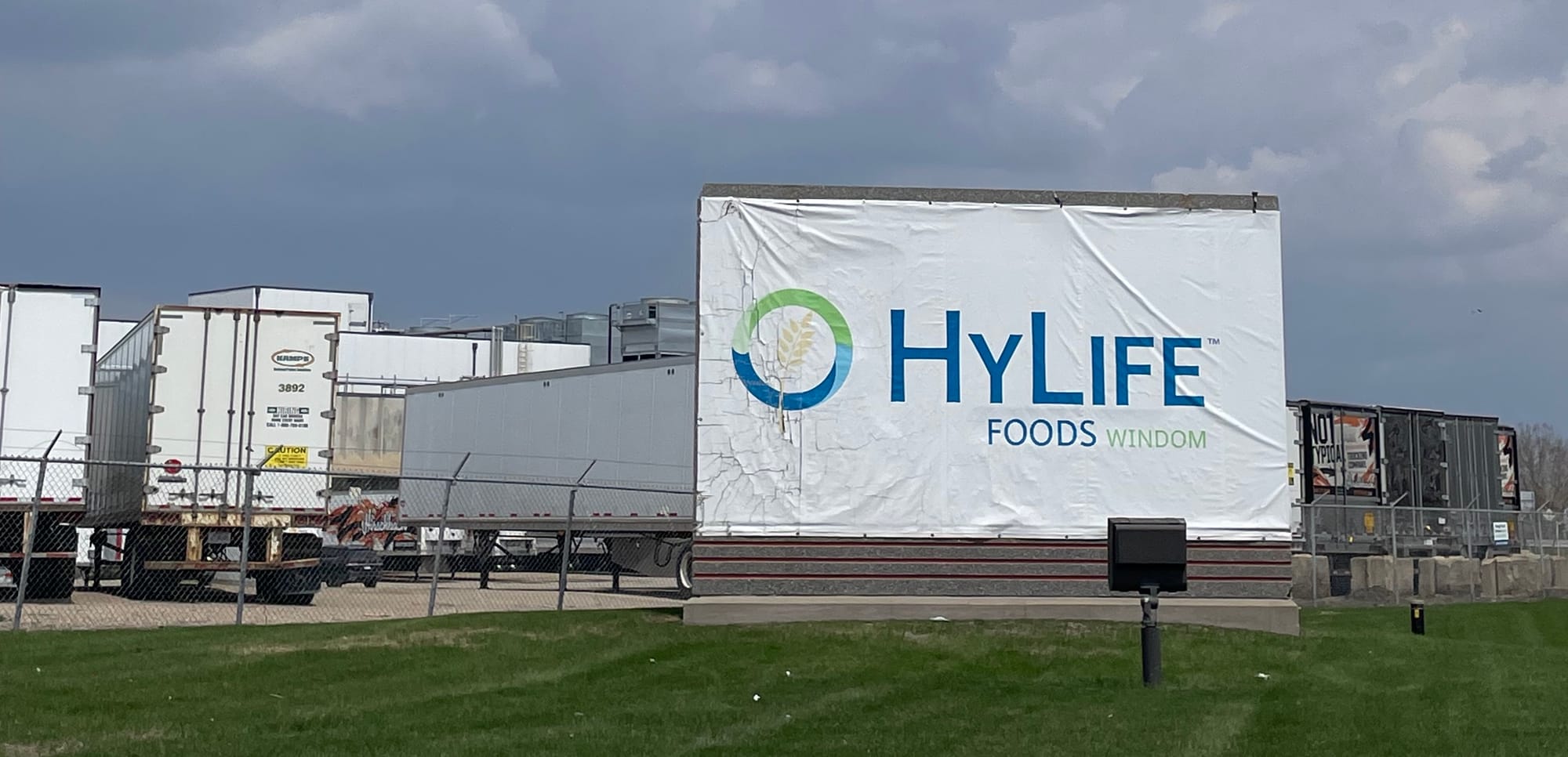
HyLife pork plant closed this month, leaving hundreds of workers in limbo
When the HyLife pork processing plant in Windom, Minnesota, closed on June 2, hundreds of workers on temporary visas lost both their jobs and their legal residency in the U.S.
The Minnesota Department of Labor and Industry is now investigating the plant for wage theft dating back to 2021, and the investigation could allow former HyLife workers to continue living and working in the U.S. for two more years.
Workers are already applying for the protections and labor permits.
— Madison McVan, reporter
Minnesota opens investigation into possible wage theft at recently-closed HyLife Foods plant
By Madison McVan, Investigate Midwest
The HyLife Foods pork processing plant in Windom, Minnesota, closed permanently and laid off its 1,000-person workforce June 2. About half of its workforce was made up of laborers on visas.
The closure left hundreds of workers’ visas terminated earlier than anticipated. HyLife had 10 days to return the workers, most of whom are from Mexico and the Philippines, to their home countries.
Read more.
PREVIOUS STORY: In bankruptcy’s wake, a Minnesota meatpacking plant’s visa workers face an uncertain future
Illinois enacts law increasing penalties for exposing humans to pesticides
By Sky Chadde, Investigate Midwest
Pesticide applicators in Illinois are now subject to higher fines for exposing humans to the harmful chemicals.
Illinois Gov. JB Pritzker signed into law Friday the new legislation that was spurred by a 2019 incident in which a helicopter and a plane sprayed dozens of farmworkers with pesticides, causing health problems for the workers and their infant children.
Read more.
PREVIOUS COVERAGE: How Illinois’ ‘fragmented system’ of monitoring pesticide exposure ‘allows individuals to get poisoned over and over without any brakes’
GRAPHIC: Conservation acreage increased slightly over last year, still near its lowest level
By Mónica Cordero, Investigate Midwest and Report for America
The Conservation Reserve Program, or CRP, established by Congress in 1985, provides an annual payment to farmers who commit to taking environmentally sensitive land out of agricultural production and planting species that improve the health and quality of the environment.
According to data from USDA’s Economic Research Service, CRP enrollment fluctuated around 33 million acres nationally, but in 2021 fell to its lowest level in three decades.
Meet our summer interns
We are delighted to introduce our summer reporting interns. We are grateful two of the three positions are supported by the Gary Marx Journalism Fund established by longtime Chicago reporter David Jackson. The interns include:



Ryan Murphy is a master's student in media at the University of Indiana-Bloomington, where she is a fellow at the Arnolt Center for Investigative Journalism. Previously, she earned a bachelor's degree in creative writing and environmental studies at Oberlin College. Murphy's internship is supported by the Gary Marx Journalism Fund.
Other news
The following story is a product of the Mississippi River Basin Ag & Water Desk, an editorially independent reporting network based at the University of Missouri School of Journalism in partnership with Report For America and funded by the Walton Family Foundation. Investigate Midwest is part of this network.
Fertilizer plants add to toxic loads in Louisiana’s ‘Cancer Alley’
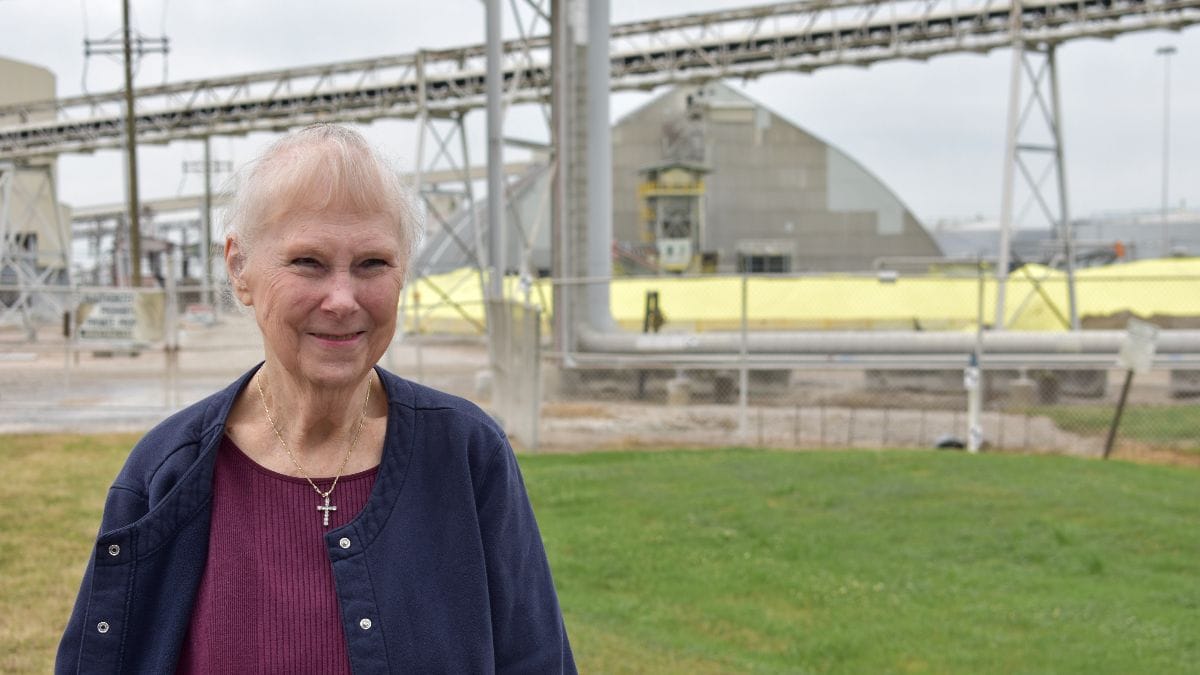
For generations, exposure to chemical pollutants has been a fact of life for residents in Louisiana’s industrial corridor.
The 85-mile stretch along the Mississippi River between Baton Rouge and New Orleans is home to about 150 chemical production sites. Elevated cancer rates have been documented among residents living in the corridor, earning it the nickname “Cancer Alley.”
Read more.
This story is by the Columbia Missourian. This is the second in a series, The Price of Plenty. The first story is "A lifetime of research links Gulf of Mexico ‘dead zone’ to Midwest fertilizer runoff."
RELATED STORY: Gulf 'dead zone' predicted to be twice the size of national goal. Again.