Rooted is Investigate Midwest's monthly members-only newsletter. As a donor who gives at least $60 a year, you receive an inside look at what our newsroom is working on, Q&As with reporters and more. Thank you — we're happy you're here.
Who do you trust to explain our food system?
Many Americans sense that something isn't working in the food system, but struggle to explain why.
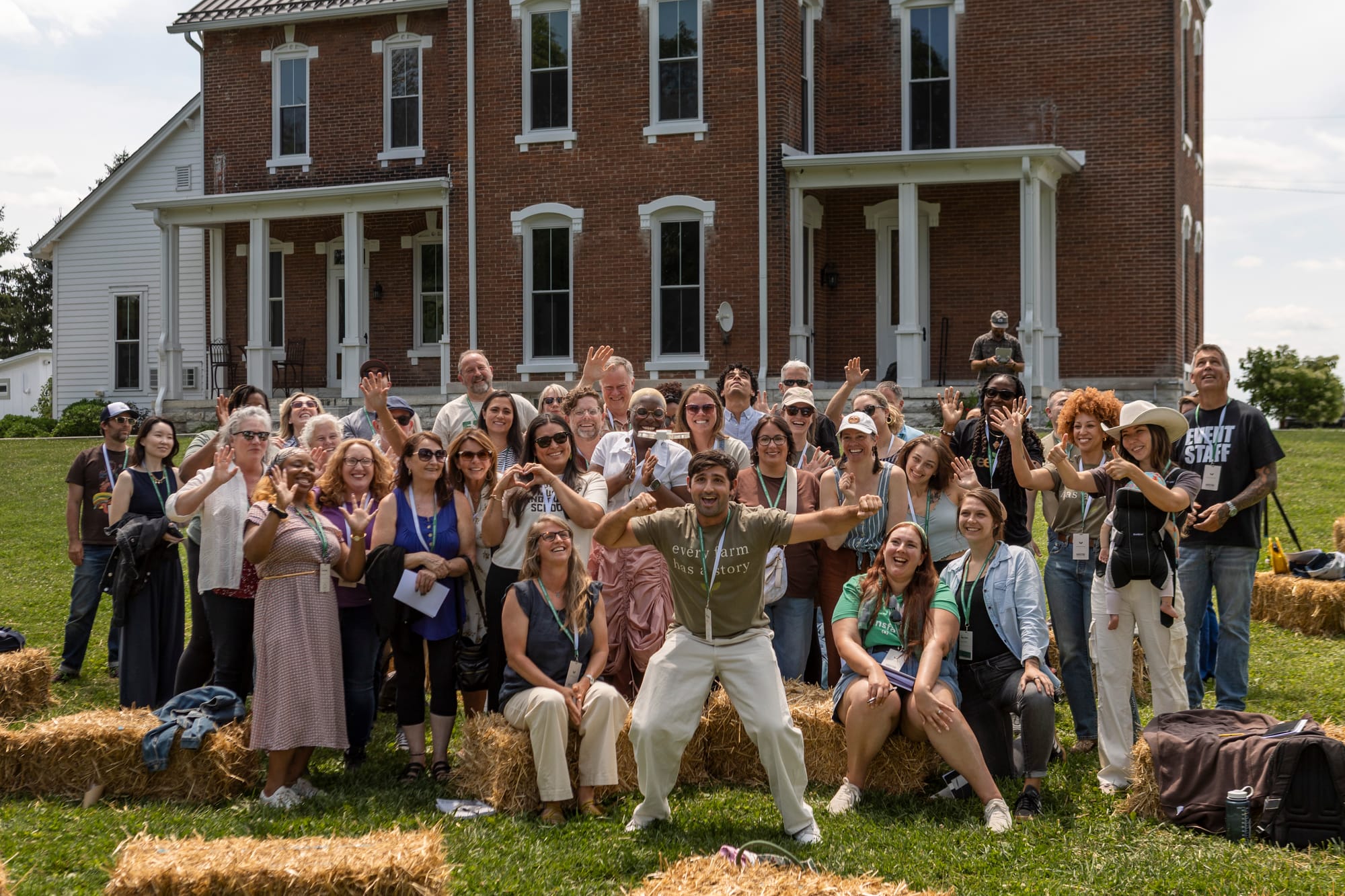
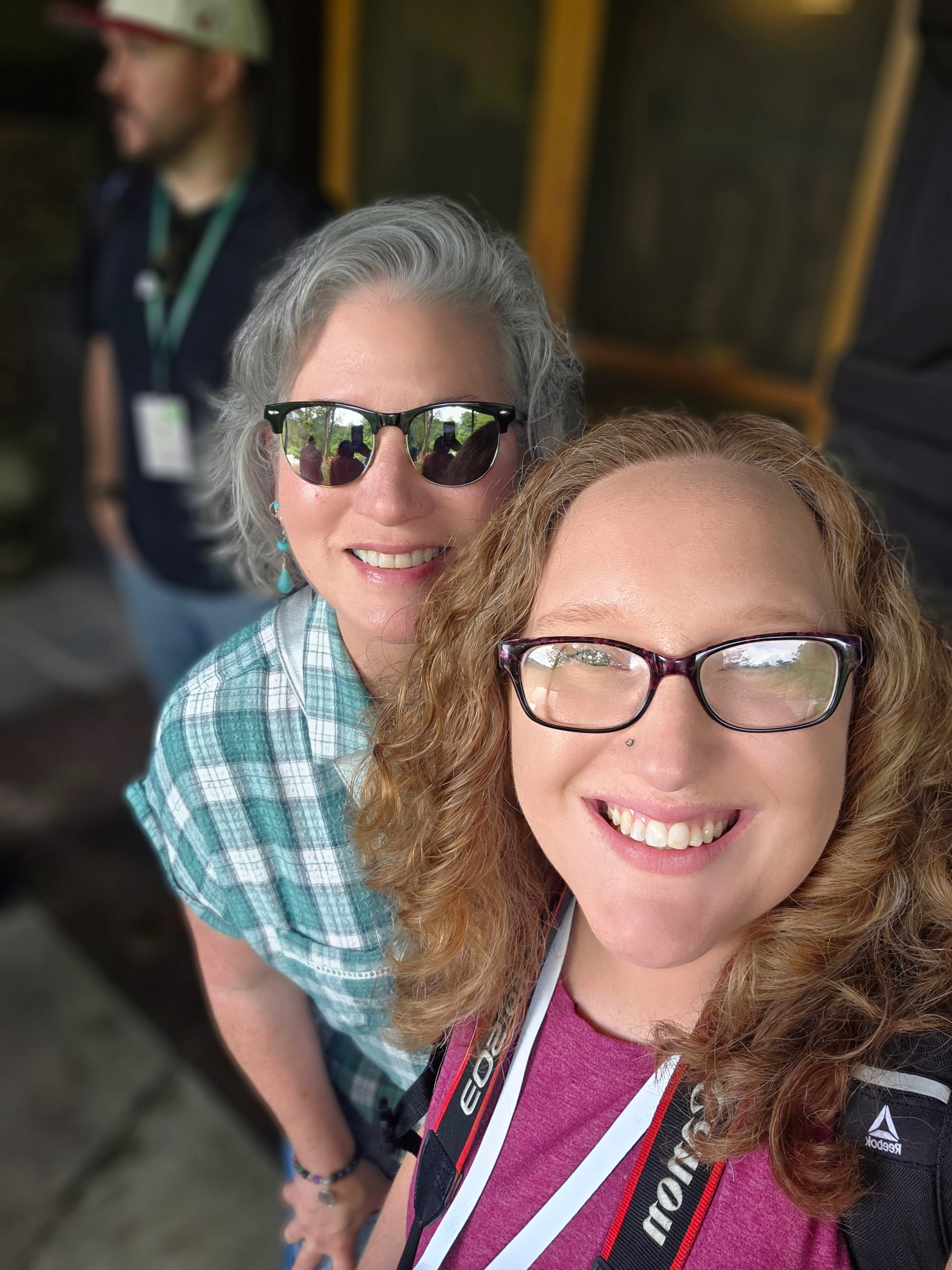
That idea came up repeatedly during the inaugural Harvesting Narratives Summit in Boggstown, Indiana, where our executive director, Erin Orr, and I joined farmers, organizers, digital content creators and other journalists in late June to explore how stories about agriculture and rural America can reach more people. The challenge isn't a lack of interest. It's a lack of accessible, trustworthy information that hinders how people connect complex policies and corporate decisions to their everyday lives.
Investigative journalism doesn't end when a story is published. If readers can't explain what they learned to someone else, the reporting has only done part of its job. That was one of the biggest lessons we brought home from the summit.
Throughout, speakers challenged us to think beyond publishing investigations and to consider how others communicate with followers on their own social platforms. They encouraged us to ask different questions: What's the one idea we want someone to remember after reading a story? Could they explain it to a neighbor? Would they understand why it matters to their family or community?
Over the past year, we've invested in our newsletters, educational virtual panels, explainer graphics, boots-on-the-ground reporting, podcasts, and community listening sessions, all to make complex reporting more understandable and useful. But there’s more work to be done.
The summit reminded me that compelling storytelling and rigorous journalism are not competing priorities. Instead, they depend on one another.
We also explored how creators, journalists and subject matter experts can work together. Researchers provide evidence. Reporters verify facts, investigate systems and turn those findings into compelling stories. Community leaders add lived experience. Digital creators often introduce ideas on platforms like TikTok, Instagram and YouTube to people who might never encounter an investigative story otherwise. Each plays a different role in helping important information travel farther.
A big shout out to co-hosts Socially Responsible Agriculture Project, the UpRoot Center, and Dog Song Sanctuary for putting on such an inspiring summit.
— Lauren Cross, assistant editor & audience engagement manager