July 27, 2023 www.investigatemidwest.org Midwest Center for Investigative Reporting
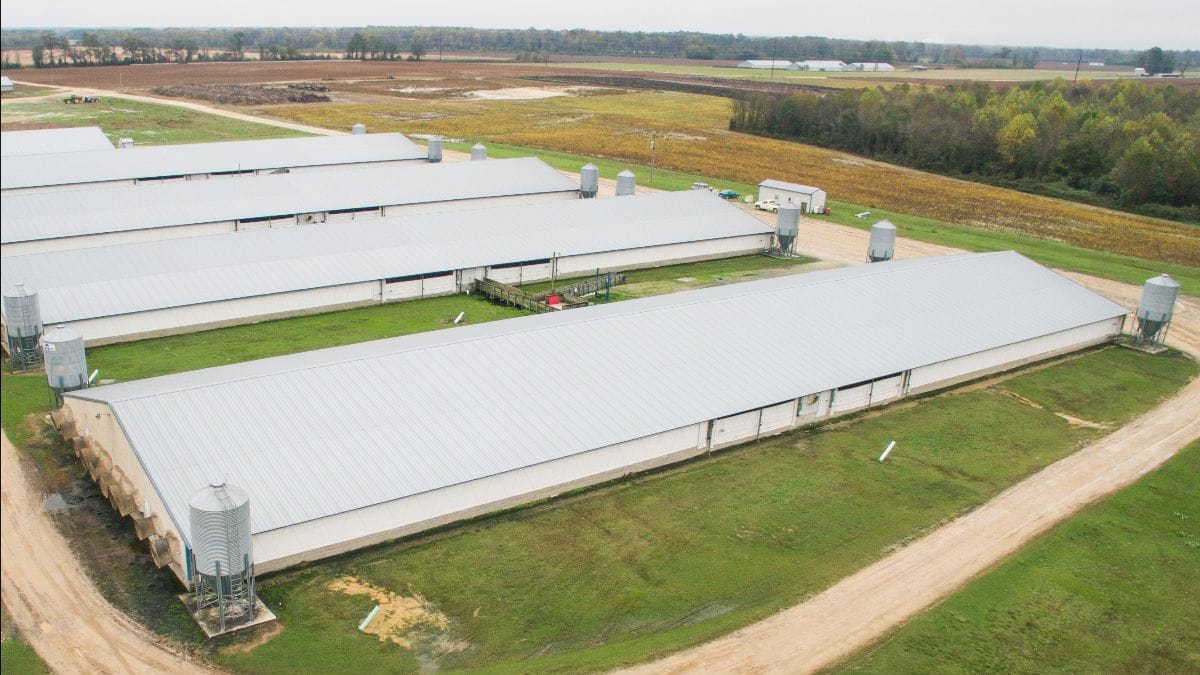
Is building a large animal facility construction work — or agricultural work?
In the early 2000s, a construction company that helps build CAFOs hired a worker from Mexico on a temporary labor visa. While in the U.S., he earned overtime, much like other construction workers.
But when he was hired back years later, he was on an agricultural visa — meaning he wasn’t paid overtime. That’s when he started asking questions.
The federal government allows construction companies that build CAFOs or parts of CAFOs to hire workers through the H-2A visa program, which is reserved for agricultural jobs. Now, the Supreme Court could potentially answer the question, is building a CAFO “agriculture”?
— Sky Chadde, assistant editor/senior reporter
One company has asked the Supreme Court to decide
By Sky Chadde and Ryan Murphy, Investigate Midwest
Since at least 2008, the federal government has allowed construction companies to use H-2A labor to build livestock confinements, and the practice has only grown since then. However, following a drop in pay, one worker sued, alleging his rights were violated. Earlier this year, his employer asked the U.S. Supreme Court to intervene to protect its business model.
Read more.
Graphic: Drought is loosening its grip on Midwestern corn
By Talia Duffy, Investigate Midwest
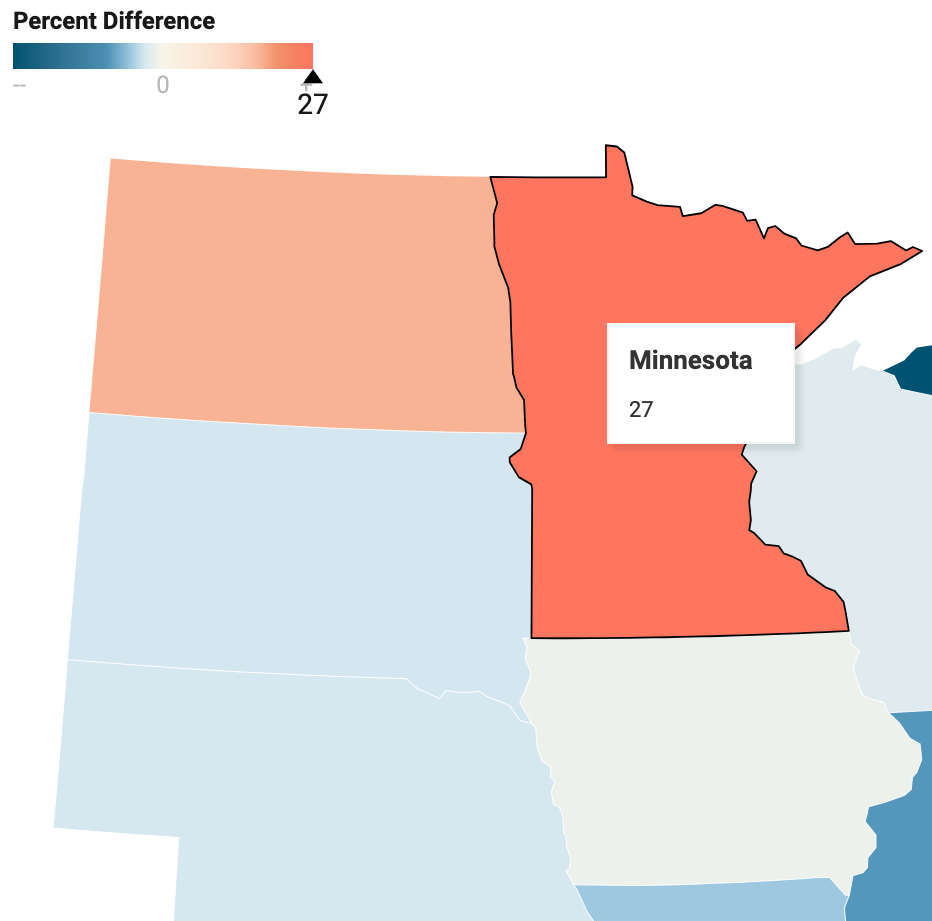
This summer, the Midwest has experienced a period of intense drought that threatens the health of the region’s cash crops.
The 12 Midwestern states are also the top 12 corn-producing states in terms of bushels produced, based on data from the 2017 Census of Agriculture. When corn grows in drought conditions, a variety of complications — smaller leaves, smaller ears and reduced number of kernels — can result in a lower overall yield, depending on what growth stage it is in.
RELATED: Most of the Midwest is in drought — and there’s no simple way to get out of it
Opinion: SCOTUS should take up an ag-gag vs. the First Amendment case
By Dave Dickey, Columnist
Dave Dickey finds his research and time taking him to North Carolina this week and an ag-gag court case. He writes:
"If the U.S. Supreme Court were to take up the case and rule in favor of North Carolina, the decision would give Big Meat the brass ring it has been seeking for decades: an ironclad ag-gag statute that would allow civil prosecution of undercover media investigations that expose animal-welfare violations and other illegal activity."
Read more.
How Big Ag pollutes America’s waters and makes money doing it
State and federal data now show that since 1990, nitrogen spread on fields in Iowa and nine other major U.S. corn-growing states has increased 26%, with more nitrogen than ever pouring off the land and into U.S. waters. Demand for corn is high, both to supply ethanol refineries and to feed industrial livestock operations that add to water contamination themselves through manure runoff, according to the U.S. Department of Agriculture.
The story was reported and first published by Circle of Blue.