June 8, 2023 www.investigatemidwest.org Midwest Center for Investigative Reporting
Food processing plants at greater risk for cyber attacks
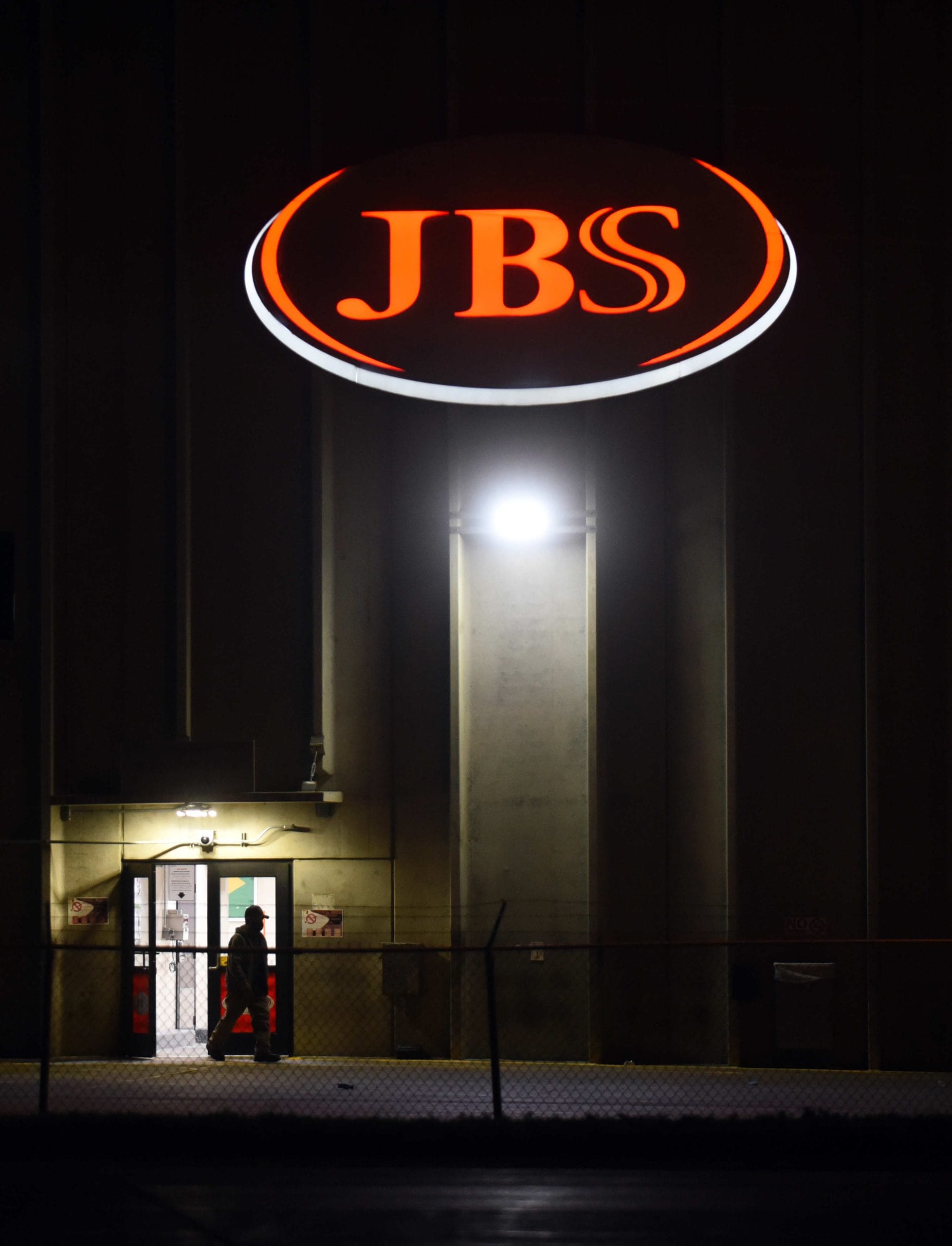
JBS, one of the world’s biggest meat companies, suffered a ransomware attack in May 2021 that drew attention to the increasing frequency of cybersecurity breaches in the food and agriculture sector.
JBS was poorly protected from cyberattacks in the leadup to the ransomware incident, according to cybersecurity experts who communicated with federal authorities in the aftermath of the hack.
But JBS isn’t alone in its vulnerability — a number of factors make food processing plants susceptible to cybersecurity threats.
— Madison McVan, reporter
JBS’s cybersecurity was unusually poor prior to 2021 ransomware attack, internal homeland security records show
By Madison McVan, Investigate Midwest
In 2021, months after the JBS ransomware incident, the FBI issued a notice to food and agriculture companies warning of increased cyberattacks on the sector.
“Cyber criminal threat actors exploit network vulnerabilities to exfiltrate data and encrypt systems in a sector that is increasingly reliant on smart technologies, industrial control systems, and internet-based automation systems,” the FBI warning states.
Industrial control systems — the internet-connected devices like sensors and switches inside a plant — have many vulnerabilities, according to a 2019 report by the Food Protection and Defense Institute.
Read more.
GRAPHIC: Majority of new CAFOs were built in Iowa last year
By Madison McVan, Investigate Midwest
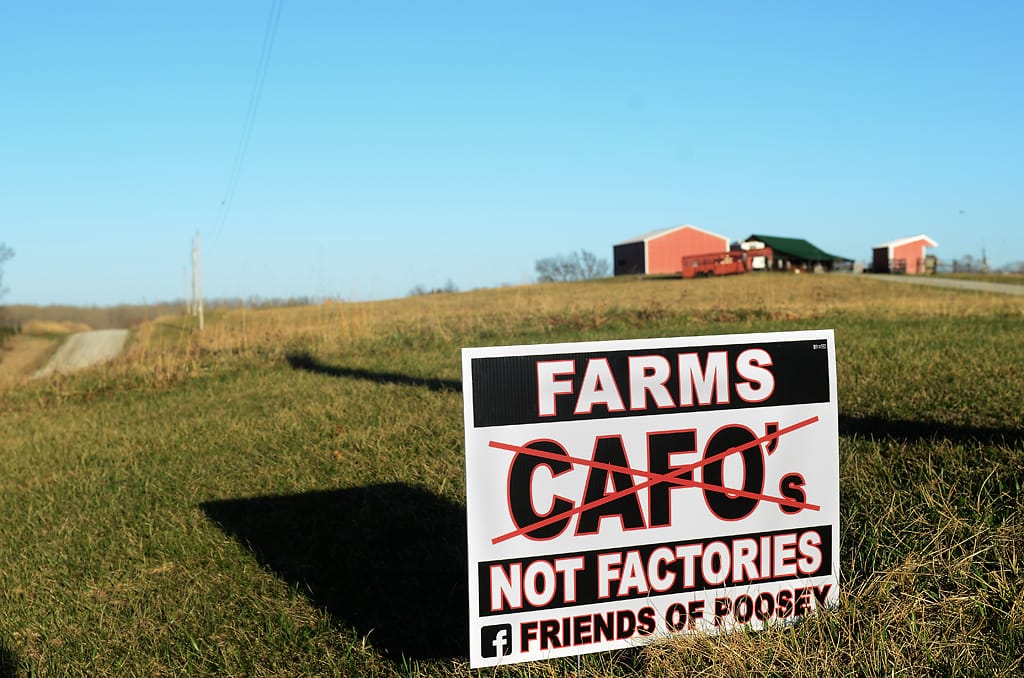
Concentrated animal feeding operations, or CAFOs, are enclosed barns that house thousands of animals at a time. The EPA issues permits to CAFOs that reach certain size thresholds and discharge pollutants into federally-regulated waters.
These permits cover around a third of the CAFOs in the country.
The EPA's May 2023 report on CAFOs, based on data collected by EPA regions, shows that the United States added 288 CAFOs from 2021 to 2022. Most of the growth was in Iowa.
OPINION: Holding EPA’s feet to the fire over CAFOs (it’s about time)
By Dave Dickey, Columnist
Dave Dickey writes in his latest column:
"Here is a dirty little secret that the Environmental Protection Agency doesn’t want the public to know."
"If the agency doesn’t feel like responding to citizen complaints and petitions for review it just tosses them into review purgatory and dares petitioners to do something about it. Right now there are 836 — yeah, 836 — petitions awaiting EPA adjudication dating back to February of 2013.
Read more.
Other news
The following story is a product of the Mississippi River Basin Ag & Water Desk, an editorially independent reporting network based at the University of Missouri School of Journalism in partnership with Report For America and funded by the Walton Family Foundation. Investigate Midwest is part of this network.
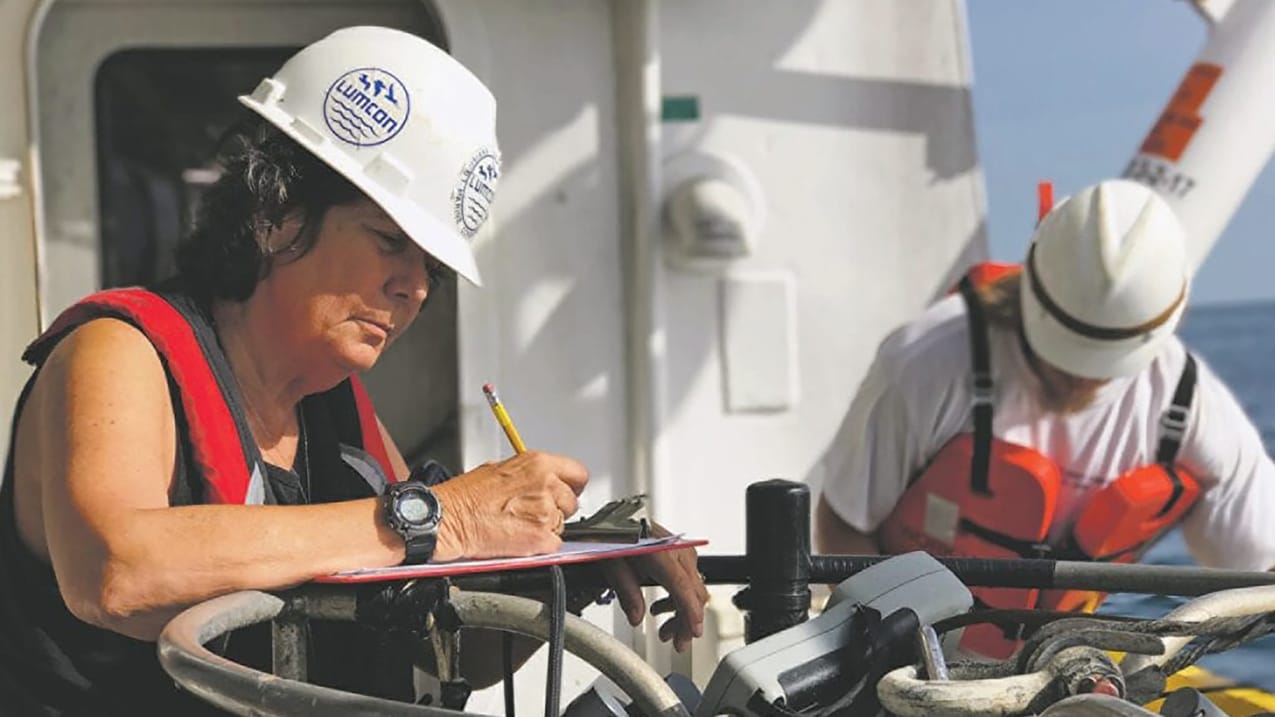
A lifetime of research links Gulf of Mexico ‘dead zone’ to Midwest fertilizer runoff
In the summer of 1985, Nancy Rabalais set sail on a research vessel into the Gulf of Mexico — and into the scientific unknown.
Back then, scientists knew little about wide expanses of low-oxygen water, called hypoxia, that sometimes appeared in the Gulf and other bays and rivers. That summer, Rabalais’ team was set on discovering how these areas connected to creatures that dwell on the bottom of the Gulf.
This story was by the Columbia Missourian. This is the first in a series.
Read more.