Labor Secretary’s ‘one-stop shop’ struggles to produce solutions
Last year, as the agriculture sector struggled to staff its farms and facilities amid a nationwide deportation campaign, the Trump administration announced a new office to streamline the temporary labor visa process.
“We’re going to do one, dedicated ‘one-stop shop,’ as I call it,” said Labor Secretary Lori Chavez-DeRemer in announcing the new Office of Immigration Policy. “We’re going to see that change come across fairly rapidly, because that’s the problem, and they want a solution, and they wanted it yesterday.”
But those solutions haven’t come, according to emails obtained by Investigate Midwest.
In this week’s feature story, senior reporter Sky Chadde reviews those emails and takes a closer look at why the Office of Immigration Policy has struggled to provide relief for farmers in desperate need of labor.
— Ben Felder, editor-in-chief
DATA HARVEST: DHS presence correlates with fewer private sector employees
By Sky Chadde, Investigate Midwest
Immigration surges carried out by federal authorities in recent months likely contributed to lower private-sector employment in several states, including Illinois and Minnesota, according to researchers at the University of California, Merced.
The academics studied workforce data for several places facing increased U.S. Department of Homeland Security presence: Tennessee, California, Oregon, Washington, D.C., Illinois, Louisiana and Minnesota. Together, between May 2025 and January 2026, they experienced a 1.8% decline in private-sector employment.
The rest of the U.S. saw a 1.1% increase, according to the researchers.
ICYMI: Our H-2A data was cited during Iowa House debate
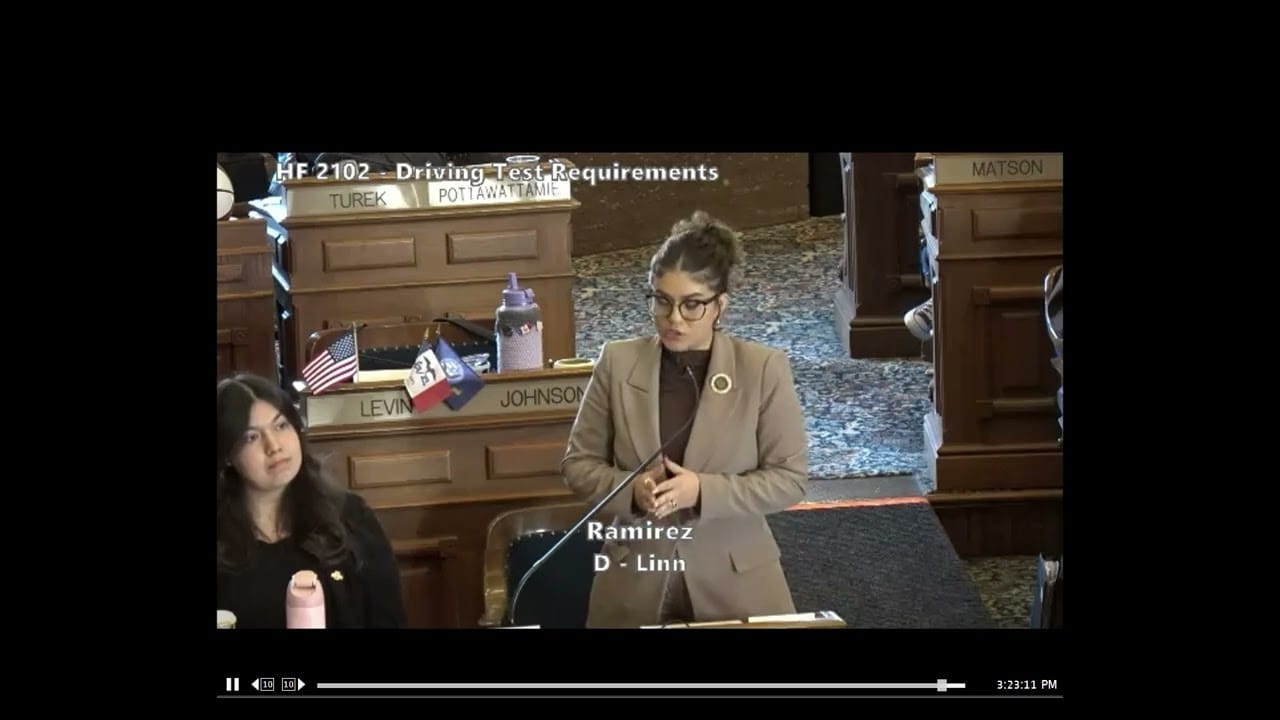
In January, we analyzed the surge in H-2A farm labor across the Midwest and Southwest. Last week, during debate over a bill that would make written driver’s license exams English-only, Rep. Angel Ramirez cited our reporting and data on the House floor to argue the policy could create barriers for legal farmworkers who need to drive for their jobs.
We’re revisiting the story as a reminder that our well-sourced data doesn’t just live on our website; it enters public record when decisions are being made.