The true scale of Iowa’s livestock sector revealed
For years, Iowa’s official records have served as the state’s main accounting of industrial livestock production.
But after spending a year combing through aerial photos, satellite images and public records, researchers uncovered more than 4,000 additional livestock facilities beyond those actually listed in the state database.
Why does this matter?
Because the new data paints a broader picture of where manure is produced in Iowa, the country’s No. 1 pork-producing state faced with acute environmental and public health stressors. The findings fuel new questions about pollution, water quality and whether regulators have an accurate picture of the consequences and scale of these concentrated animal feeding operations.
This week, Mónica Cordero’s story examines what researchers uncovered after mapping more than 15,000 livestock facilities across the state of Iowa.
— Lauren Cross, assitstant editor & audience manager
DATA HARVEST: Most of America’s beginning farmers don’t farm full time
By Mónica Cordero, Investigate Midwest
Beginning farmers are often described as the future of American agriculture. But the 2022 Census of Agriculture shows they are not simply younger versions of today’s farmers. Their age, work patterns and farm characteristics paint a more complicated picture of what it means to start farming in the United States today.
The average age of a beginning farmer in the United States is 47.1 years old, more than a decade younger than the average U.S. farmer. Nearly one-quarter of beginning farmers are under 35, compared with fewer than one in 10 U.S. farmers overall. Beginning farmers are also far less likely to be 65 or older.
Farms with at least one beginning producer sold $122 billion in agricultural products in 2022, accounting for 23% of all U.S. agricultural sales. Nearly half of those sales came from crops, while livestock, poultry and related products accounted for the rest.
Yet the 2022 Census of Agriculture also suggests that beginning farmers are defined by more than their age. Nearly three-quarters (72%) reported a primary occupation other than farming, compared with 58% of all U.S. producers, and more than half worked off the farm for 200 days or more each year. The figures paint a picture of producers who often balance farming with other jobs as they establish their operations.
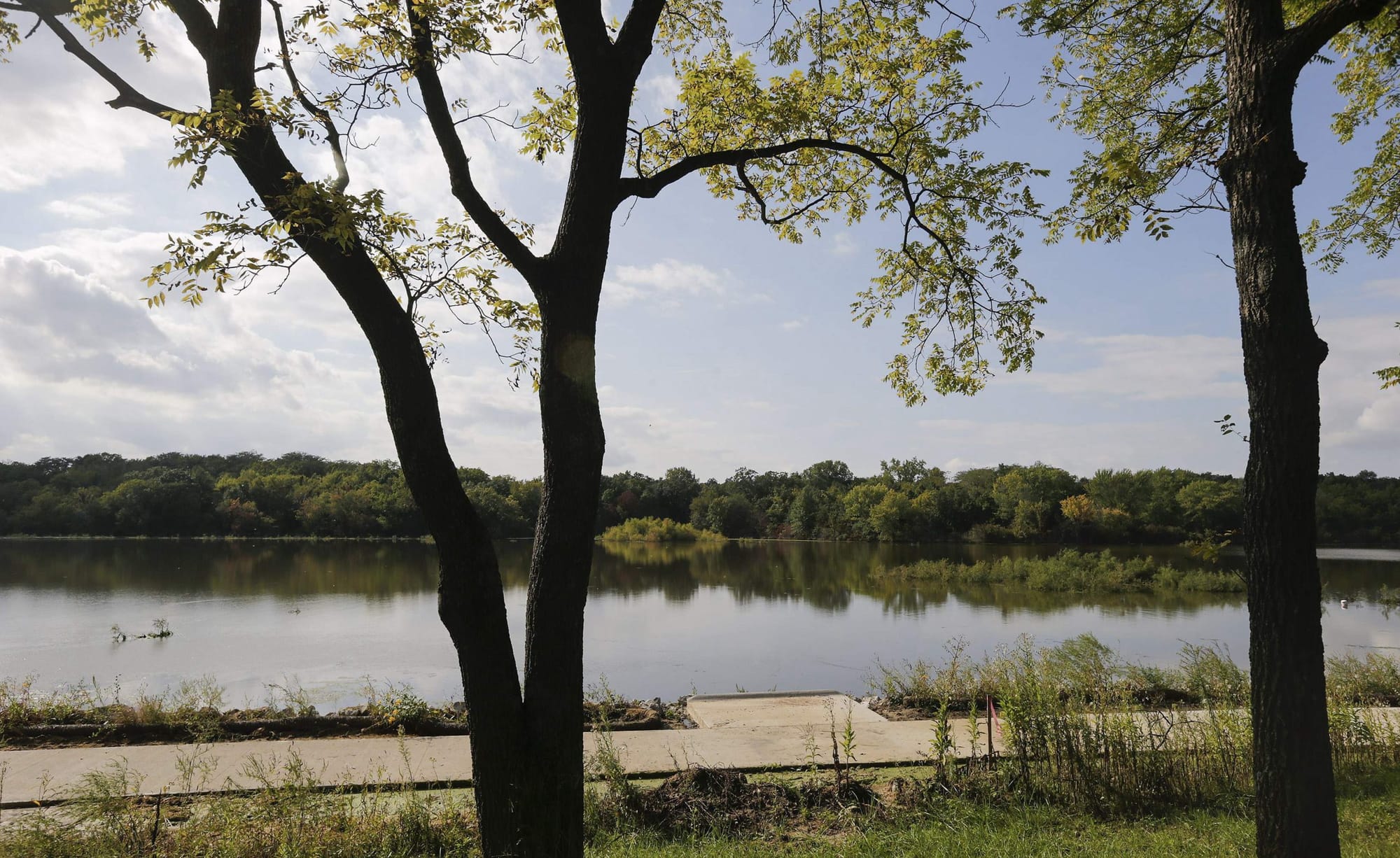
ICYMI: Iowa’s impaired waters predicament
Just because a river or lake comes off Iowa's impaired waters list doesn't mean the pollution is gone.
Mónica Cordero's investigation from February found that nearly eight in 10 Iowa river segments have remained continuously impaired for at least a decade, raising questions about how the state tracks water quality and pollution.
Her story also examined how lawmakers' debate over the issue has left waterways unresolved, resulting in increased algae bloom, cancer risks, and other health and environmental impacts.
Connect with us on social media!
Our investigative reporting is a resource for local, regional and national newspapers, which can republish our stories and data for free to inform their own communities....