June 13, 2024 Midwest Center for Investigative Reporting
'They are going to replace you, but your family is not going to replace you'
Each year, immigrants from all over the world journey to the U.S. to work in poultry and meat processing plants. Many are drawn by the promise of higher wages, stability and a safer environment.
But some also find dangerous workplaces. At a plant in a small West Virginia town owned by Pilgrim's Pride — a subsidiary of JBS, the world's largest poultry producer — workers have suffered near-amputations, crushed legs and chemical burns, according to an investigation by Mountain State Spotlight, a nonprofit newsroom based in West Virginia.
Beyond the Pilgrim's plant, immigrants have struggled to find affordable housing in the town. Pilgrim's has built apartments, but the company charges more than other landlords, Mountain State Spotlight found.
— Sky Chadde, assistant editor/senior reporter

Crushed legs, mangled fingers, chemical burns: At JBS plant, immigrant workers face inordinate amount of danger
By Mountain State Spotlight
Throughout the last decade, Pilgrim’s Pride Moorefield plant has been one of the most dangerous non-coal industrial workplaces in West Virginia.
From 2015 to late 2023, 12 factory employees had workplace injuries that led to amputations or overnight hospitalizations, according to data from the Occupational Safety and Health Administration.
This is the first of two stories published by Mountain State Spotlight.
Read more of the first story here and the second story here.
GRAPHIC: When dollar stores set down roots, rural food markets are hit hardest
By Sky Chadde, Investigate Midwest
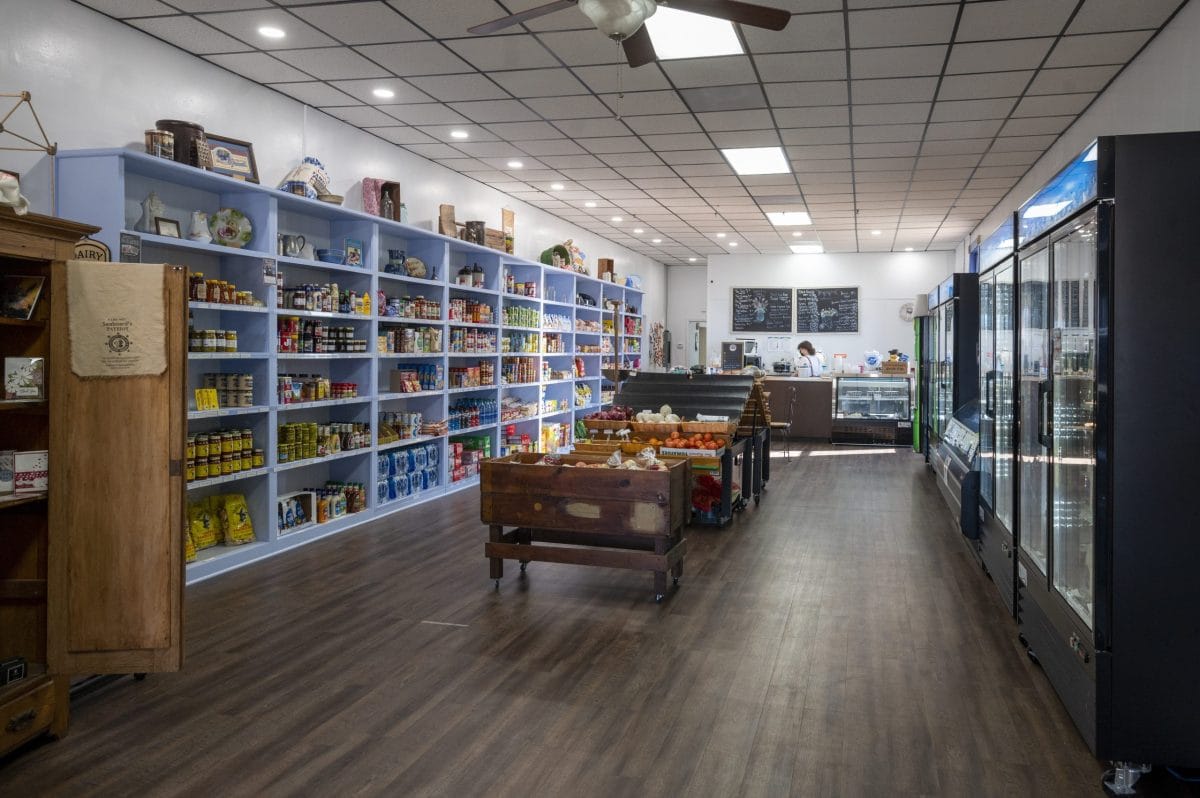
For years, rural areas have dealt with declining food options — fewer restaurants and grocery stores. One option that has popped in recent decades is the dollar store.
When dollar stores enter a marketplace, whether rural or urban, grocery stores are affected negatively, according to U.S. Department of Agriculture researchers who used proprietary data.
View the graphic.
Oklahoma lawmakers continue efforts to protect poultry companies following federal lawsuits
By Ben Felder, Investigate Midwest
Oklahoma Gov. Kevin Stitt said he was “very excited” to sign into law a bill that shields poultry corporations from lawsuits over pollution caused by chicken waste, which for decades has led to high rates of phosphorus and E. coli in the state’s eastern waterways.
Senate Bill 1424 prevents lawsuits against poultry companies over chicken waste pollution as long as the poultry farm has an approved waste disposal plan with the state.
The new law comes after a nearly two-decade-long legal battle between the state and several poultry companies, including Tyson Foods, over pollution in Oklahoma’s Illinois River Watershed.
Read more.
OPINION: Crop farmers are stuck in sticky ‘taffy pull’ on use of dicamba
By Dave Dickey, Columnist
Being a farmer means accepting uncertainty. Will it rain enough? Has it rained too much? What will the upcoming heat spell do to my crops? Is that bug invasion on my soybeans serious enough to spend big money to contain? What will prices be like in the fall when I have to sell? The list is truly endless.
And a lot of conditions that create the uncertainty are beyond the farmer's control. Now cotton and soybean farmers have something new to be uncertain about.
The herbicide dicamba is back in the news. The question at the heart of the issue is: Will farmers have dicamba at their disposal next year?
Read more.
News from our partners
‘We need to find out what’s going on’: Iowa's Palo Alto County has the second highest cancer incidence among all US counties. By Keith Schneider for The New Lede
Investigate Midwest is an independent, nonprofit newsroom. Our mission is to serve the public as a watchdog over influential corporations and institutions through in-depth and data-driven investigative journalism.