March 27, 2025 The Midwest Center For Investigative Reporting
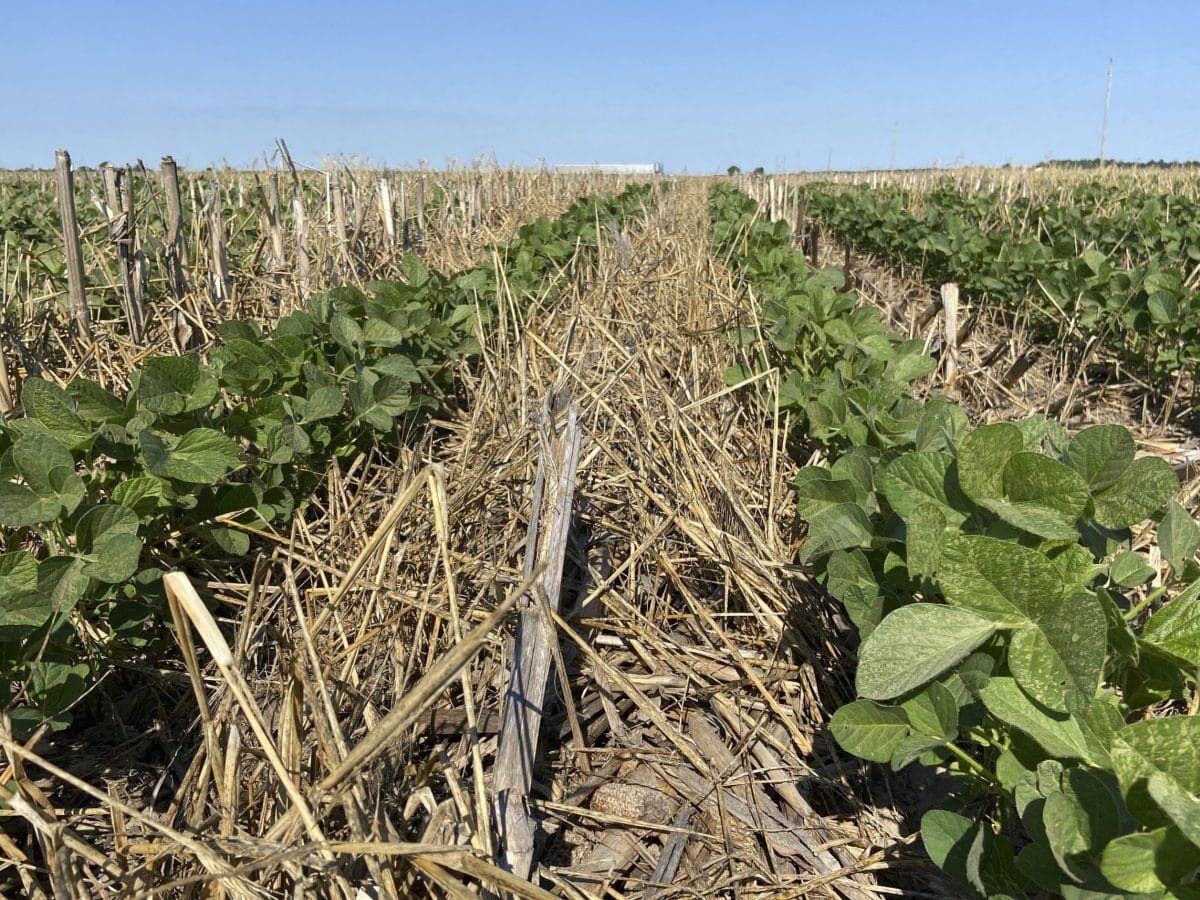
Illinois’ cover crop program helps reduce ag runoff. The governor proposes a cut to the program.
Illinois Gov. JB Pritzker has proposed a $2 billion increase to the state budget. However, tucked away in his proposal are a series of cuts, including a significant reduction to the state’s cover crop incentive program.
Planting cover crops after a harvest can strengthen the soil and prevent fertilizer and manure runoff from ending up in nearby streams and rivers. That runoff is polluting not just state waterways but also the Gulf of Mexico.
However, cover crops are costly and don’t make farmers money. That’s why advocates say the state’s incentive program is needed.
“This valuable resource that we take for granted, we were letting it get away,” said Steve Stierwalt, a corn and soybean farmer in Champaign County. “We have some of the best soil in the world here, and we have to protect it.”
In this week’s feature story, Jennifer Bamberg reports on the Fall Cover for Spring Savings incentive program, its increasing demand among Illinois farmers and why environmentalists believe a significant increase is needed.
Illinois is one of the leading states for farm fertilizer runoff, which has worsened in recent years.
Jennifer’s story also looks at the cultural barriers some farmers face in adopting cover crops — long-held beliefs about what a well-managed field should look like. The process can sometimes leave fields looking messy, and at least one farmer said he’s seen examples of cover crop users only planting in fields that are hidden from neighbors.
Read more here.
— Ben Felder, editor in chief
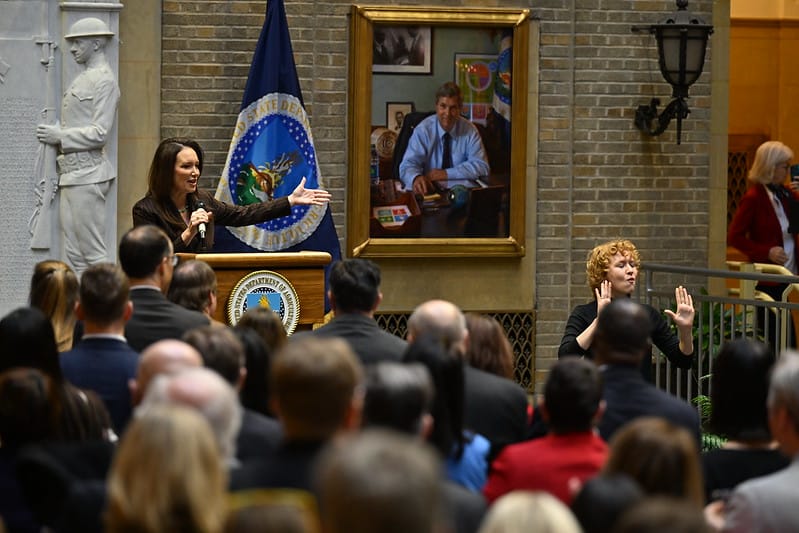
Axed once, USDA employees anxiously await potentially being fired again
By Sky Chadde, Investigate Midwest
Following judges’ orders, the U.S. Department of Agriculture has begun reinstating employees who were fired en masse in February. But now, many of those workers who are being paid not to perform any duties fear that another shoe will drop.
The uncertainty over their futures comes as Elon Musk and the Trump administration chainsaw the federal workforce. Judges have ruled the mass terminations were unlawful, but the administration is moving forward with plans to reduce headcount at agencies across the federal government.
Read more here.
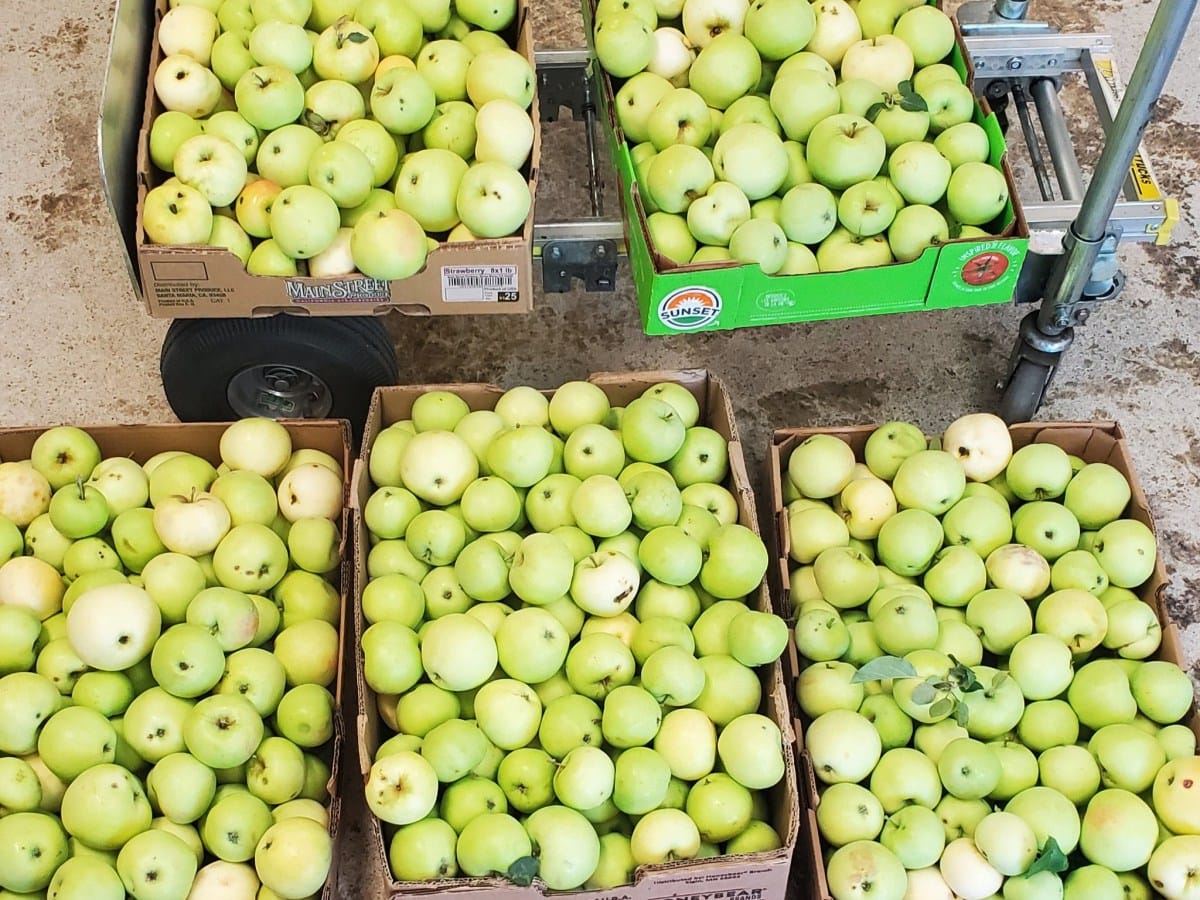
Nearly half of all child labor violations in the agriculture industry since 1995 have occurred in grain, fruit and vegetable farming. A review of Department of Labor data reveals these crop production sectors have consistently topped violations over the past two decades.
This slice of agricultural jobs includes anything from corn detasseling to watermelon harvesting, accounting for 49% of all child labor violations fined by the Occupational Safety and Health Administration for the last two decades.
Investigate Midwest compiled more than two decades of Department of Labor violations data into a searchable database. Incidents are sortable and searchable by company name, state, length of time to close a case, year the labor violations closed, and agriculture sectors.
View the graphics here.
Illinois cancer registry to re-examine multiple cases of glioblastoma reported in Piatt County
By Molly Hughes, Stephanie Orellana and Nazala Salauddin, Investigate Midwest
The Illinois Department of Public Health has reasserted Piatt County has been added to the list of sites that its cancer registry examines each year after concerns about a potential cluster of brain cancer in the county were raised by a local researcher.
The announcement followed a story published earlier this month by the newsroom, CU-CitizenAccess.org, that examined the high number of cases of the brain cancer, glioblastoma, found by researcher Caitlin McClain.
“I am relieved to hear that they are going to examine Monticello more closely, although until a report of that is seen, I wouldn’t take that for more than someone’s word,” McClain said in an email.
Read more here.
OPINION: UnReal Milk ... will it do a body good?
By Dave Dickey, Columnist
Of course it was just a matter of time.
The laboratory cell-based revolution has already produced chicken, fish, and beef substitutes that, once cooked up and plated, are practically indistinguishable from their live counterparts.
In the U.S. there’s been backlash against the idea that a mother of four could one day fill her shopping cart with meat substitutes made from cell cultures.
Numerous state legislatures are attempting to restrict or ban the sale of lab-cultured meat.
Needless to say the debate over lab-grown meat is contentious. It’s about to get even messier.
Late last month, Brown Foods announced the creation of what it says is “the world’s first test tube of lab-grown milk.”
Yes. Lab-grown milk.
Read more here.
ICYMI: Who owns Illinois farmland and why it matters for conservation
By Dana Cronin, Illinois Public Media
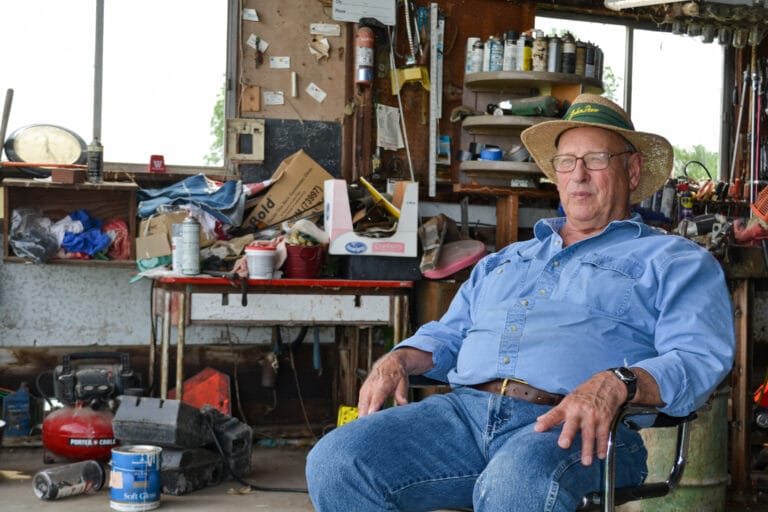
More than half of Illinois farmland is rented, often to absentee landlords. That reality makes it harder for farmers to invest in conservation practices like cover crops, which protect soil and water. Dana Cronin's 2021 deep dive for partner publication Illinois Public Media explains why ownership plays such a critical role — and it’s especially relevant now, as this week’s feature story reveals how Illinois may slash funding for its only cover crop incentive program, just as demand reaches an all-time high.
Read more.

Join us Wednesday, April 9, for an evening of live storytelling that will offer an intimate conversation where men, and those whose lives have been shaped by the men around them, will share their journeys through 10-minute off-script stories.
Doors open at 5:30 p.m. Central. Tickets are $25 and include one drink ticket. Food will be available for purchase, and there will be a silent auction and trivia contest.
The event, which benefits Investigate Midwest's investigative journalism and educational initiatives, will be emceed by Iowa Public Radio's Charity Nebbe and recorded for broadcast on Talk of Iowa.
Investigate Midwest is now on Bluesky!
Follow us at @investigatemidwest.bsky.social.
Investigate Midwest is an independent, nonprofit newsroom. Our mission is to serve the public as a watchdog over influential agricultural corporations and institutions through in-depth and data-driven investigative journalism.