Oct. 12, 2023 www.investigatemidwest.org Midwest Center for Investigative Reporting
What happens when farmland also holds infrastructure?
Farmers steward the land and are deeply connected to the soil they work. Sometimes there are public projects that come up that put farmers and landowners in a position to share that land.
In Illinois, landowners are saying their fields were harmed by the construction of the 65-mile STL Pipeline.
The pipeline has been mired in legal and regulatory controversy since its inception. It was completed in 2019.
Now, Illinois Attorney General Kwame Raoul has filed a petition against Spire, saying the company hasn’t made good on its promise to limit the impact and damage from the pipeline, writes Bryce Gray of the St. Louis Post-Dispatch, a collaborator with the Mississippi River Basin Ag & Water Desk.
Concerns about land are also coming up in Iowa and other Midwestern states, where several companies are proposing to build carbon pipelines that criss-cross landowners' property.
— Suzanne Behnke, digital editor
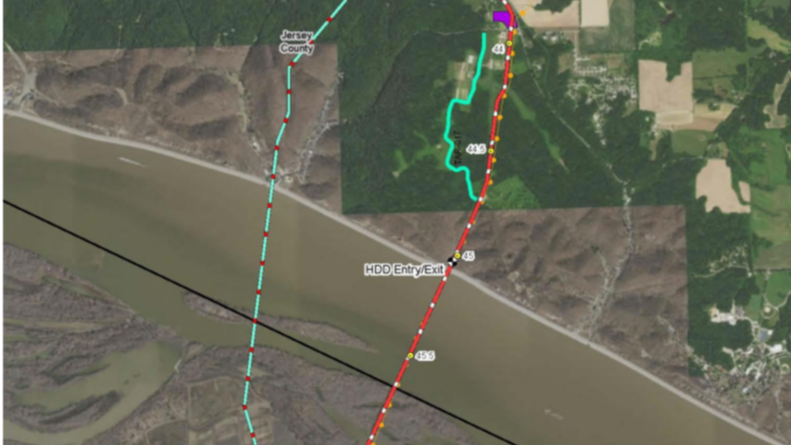
Farmers, Illinois officials say Spire hasn’t done enough to fix damage from STL Pipeline
St. Louis Post-Dispatch
Years after Spire's STL pipeline began delivering gas to the St. Louis region, Illinois farmers say its construction has rendered portions of their land too damaged to plant and too risky to run farm machinery through. Fertile topsoil has been removed or lost in places, reducing soybean and corn yields.
“These rocks, they call ’em combine killers,” one farmer said.
Read more.
GRAPHIC: Chicken prices continue to rise, costing U.S. consumers more each year
By John McCracken, Investigate Midwest
The cost-per-pound of a whole chicken has increased by roughly 34% from August 2021 to August 2023, according to data from the U.S. Department of Labor. This translates to an additional 50 cents per pound.
See the graphic.
Opinion: Living near a CAFO is a judicial and legislative nightmare
By Dave Dickey, Columnist
Large animal facilities are being accused of not handling pig poop properly, Dave Dickey writes in his latest column. He goes on: "The deck is stacked against people living near concentrated animal feeding operations — or CAFOs — and having any chance of receiving court relief."
Read more.
Related news from our partners
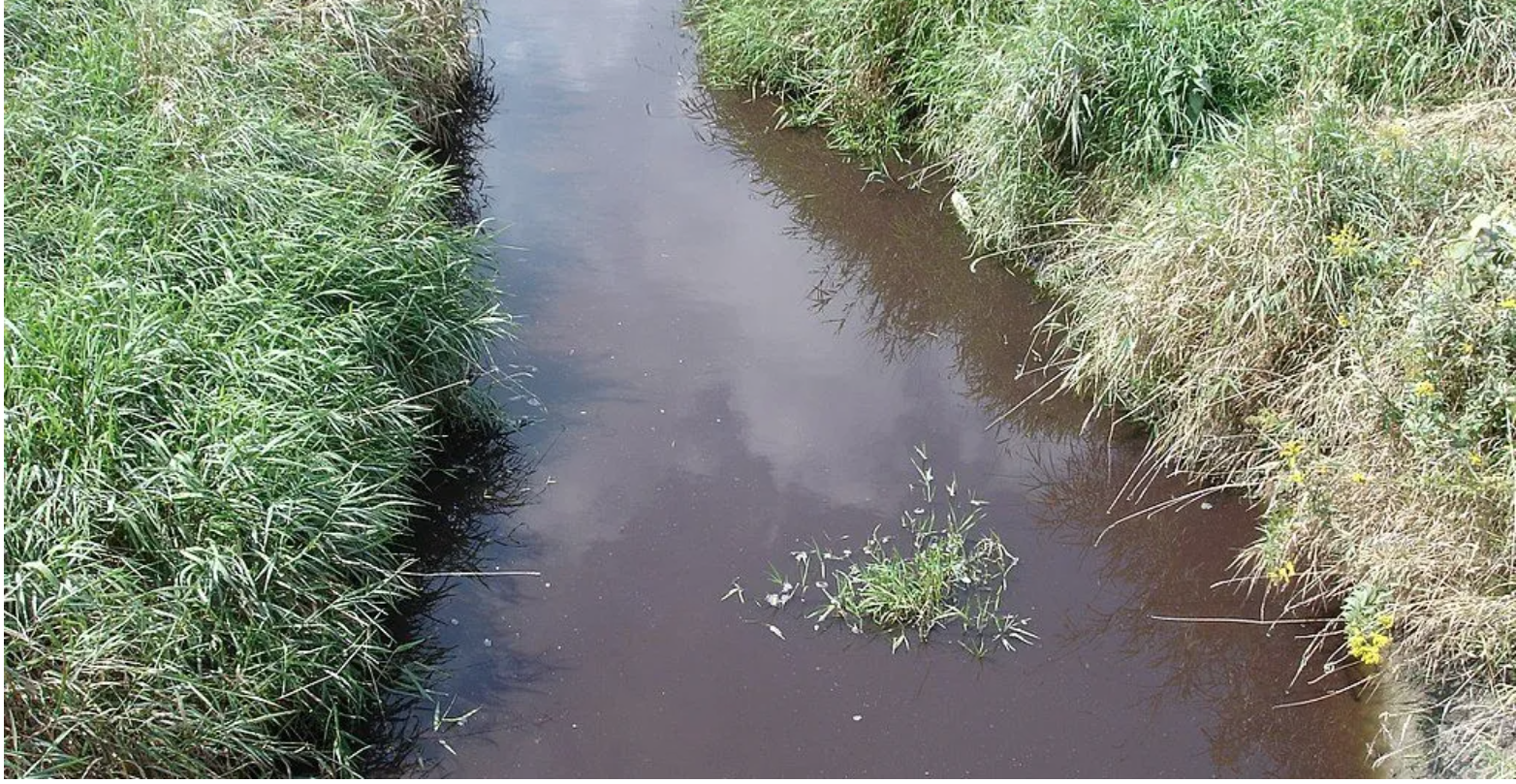
Lawsuit aims to loosen CAFO waste restrictions in Wisconsin. Even farmers are alarmed.
The Daily Yonder
In Wisconsin, farmers are worried for statewide water quality and public health after the dairy industry filed a lawsuit to eliminate the only protection that Wisconsin has against contamination from concentrated animal feeding operations (CAFOs).
Read more.
COME TO OUR IOWA CITY EVENT ON NOV. 9
Hear a handful of speakers go through their tales of "Discovery in Disguise." Doors open at 5:30 p.m. with stories beginning at 6 p.m. at Poindexter Coffee in the Graduate Iowa City hotel. Get tickets here.