Adding fuel to the fire
Earlier this year, Investigate Midwest’s
Mónica Cordero reported that nearly half of farmers surveyed by the American Farm Bureau Federation planned to use federal bridge payments to pay down debt, rather than buy equipment or expand operations. The aid itself was created in part to help producers facing elevated costs.
Our latest Data Harvest shows how those pressures have not gone away and one major farming expense has sharply climbed.
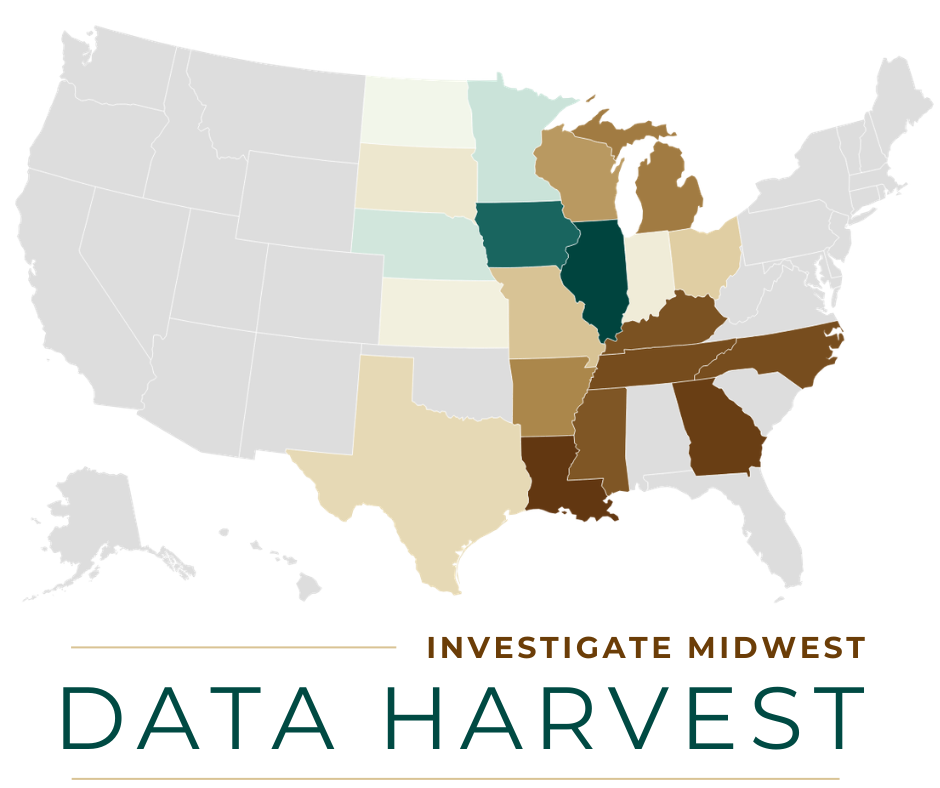
American farmers spent an estimated $1.4 billion more on diesel this spring planting season compared to the year before, according to a congressional analysis. Illinois farmers saw the largest increase in total planting diesel costs of any state, at $163.2 million.
The squeeze continues beyond planting season and into fall harvest. Midwest diesel prices averaged $5.26 a gallon in the week of Aug. 3, nearly 39% higher than the same week last year.
Expenses keep piling up for farmers. Many were already dealing with debt and rising production costs earlier this year. High diesel prices just add fuel to the fire.
— Lauren Cross
assitstant editor & audience manager
Behind the Byline podcast episode: The Politics of Cotton


Hi! Paloma here with Investigate Midwest.
Before I graduated college, I had the opportunity to study textiles, merchandising and fashion design, where one theme came up again and again: sustainability. We were challenged to reuse everyday materials, and rethink waste because of the impact the American textiles industry has on the environment.
So I came into my conversation last week with Investigate Midwest’s reporting intern Caspar Dowdy knowing some of the environmental concerns surrounding cotton.
What I didn’t expect was just how much bigger the story was.
“I think cotton kind of lives at this intersection of a lot of political anxieties that modern Americans have,” Caspar said in our recent Behind the Byline podcast episode.
Caspar spent the summer examining the USDA’s latest new effort to revive the domestic cotton industry, a push by the Trump administration branded as the “Great American Cotton Plan.” Our conversation reminded me of the lectures that urged us to find innovative ways to contribute to the industry.
The political anxieties Caspar mentioned include the decades-long loss of manufacturing jobs and rising public health concerns in a post-pandemic world. Together, they’ve helped fuel renewed interest in bringing back domestic cotton and textile production back to the U.S.
However, Caspar told me experts see this resurgence as too little, too late, pointing to past plans that never panned out and to cotton’s environmental risks.
He said researchers are testing alternate textiles such as hemp because of its durability and need for less maintenance. While I never used hemp to create an outfit in my classes, Caspar left me thinking about how something as ordinary as the clothes we wear can become part of a much bigger political conversation.
His story drops soon.
— Paloma Sanchez-McGee
audience engagement intern
ICYMI: The farm economy, under strain
When Investigate Midwest’s
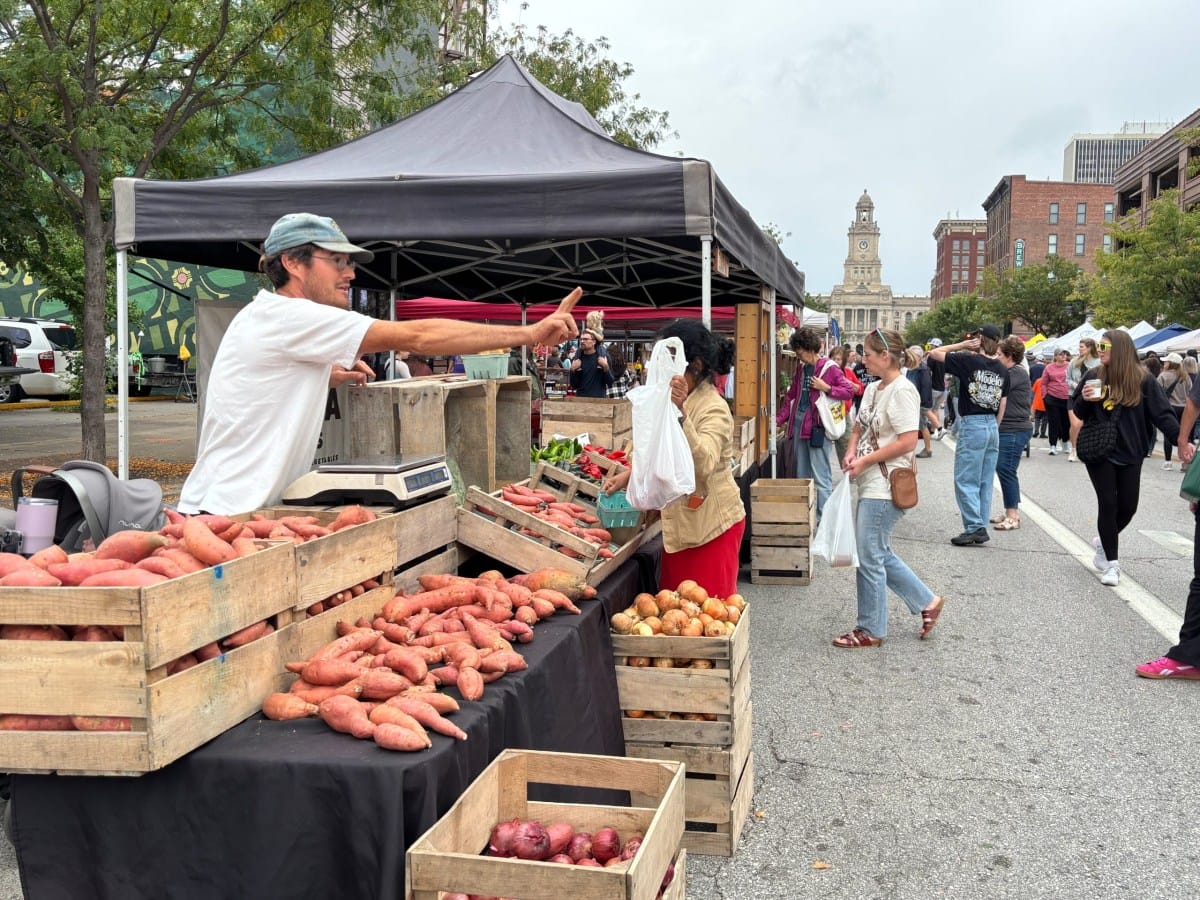
Mónica Cordero visited the Des Moines Downtown Farmers’ Market last September, vendors described an agricultural economy under growing strain. Tariffs, inflation and higher input costs were cutting into margins, while many farmers and small business owners resisted raising prices for customers.
Their experiences offered a ground-level look at a broader problem that remains relevant today: The cost of producing food keeps rising, and producers often have limited room to absorb it.
Connect with us on social media!
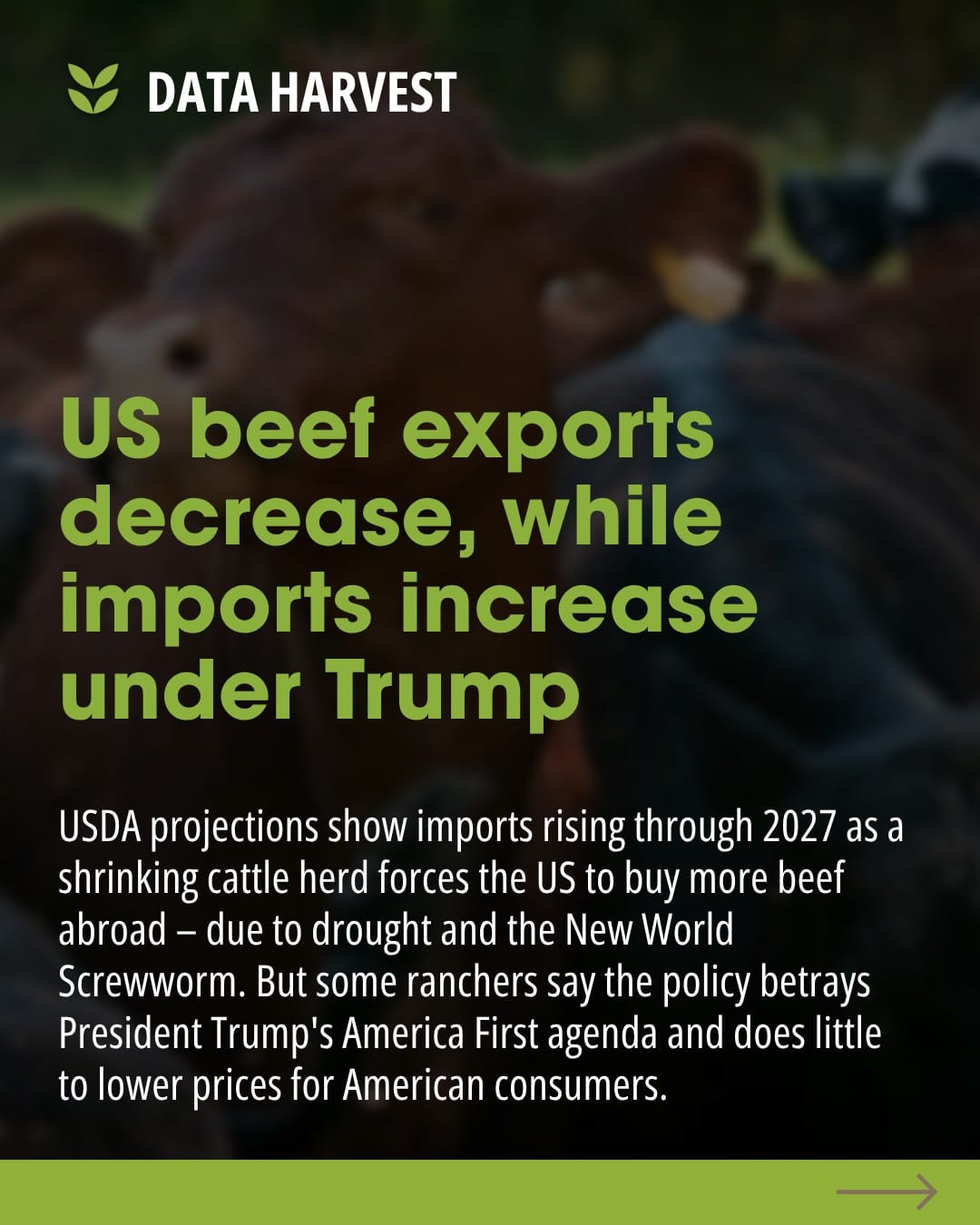
USDA reports show a continued increase in beef imports through 2027, as shrinking cattle herd impacts the domestic beef industry. President Trump announced on Feb. 6 a new trade...