“What I am experiencing now is not normal. I can’t accept that this is normal. Because that’s not the America I know.”
— Eliseo Affholter,
a US citizen stopped and questioned about his immigration status while walking home in Milan, Missouri
How ‘reasonable suspicion’ authority is shaking up rural agro-industrial towns
Our reporting often starts with people who trust us to take a closer look.
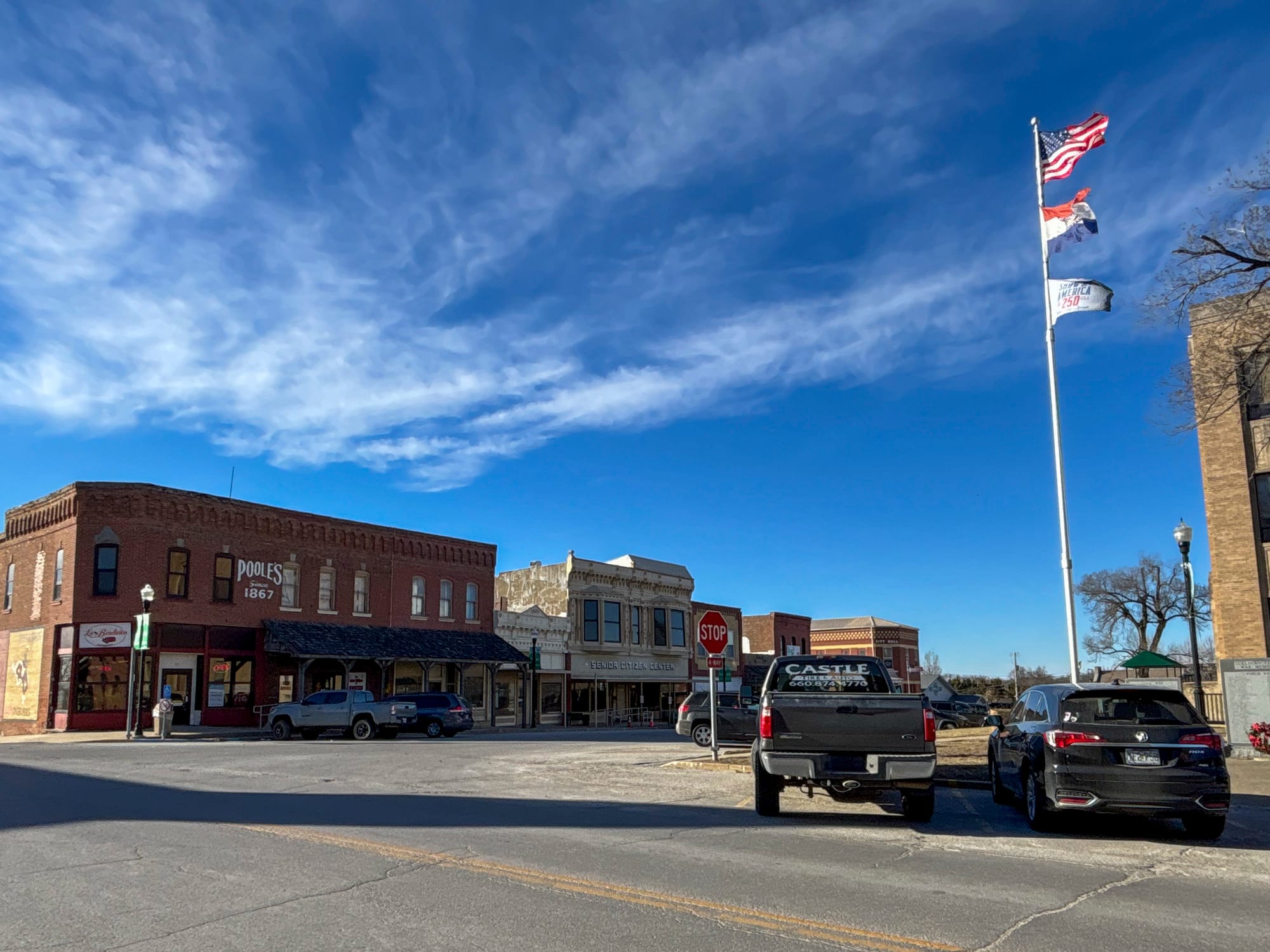
When Alex Fuentes, a rural worker advocate, raised concerns to our newsroom about immigration arrests happening outside of job sites in Missouri, reporter Mónica Cordero set out to understand how enforcement was showing up in daily life in Milan, a town of about 1,800 anchored by a large Smithfield Foods pork processing plant.
Fuentes’ tip followed a September 2025 Supreme Court decision that expanded what agents can consider “reasonable suspicion,” a shift some legal experts say leads to racial profiling.
What Mónica found in Milan was a pattern extending beyond workplaces. Workers and residents described arrests happening in residential areas, on roads near the plant and while traveling to and from work.
The Smithfield plant employs at least 500 workers, more than a quarter of the town’s population. Nearly half of residents identify as Hispanic, and more than a quarter were born outside the United States, more than double Missouri’s average.
After the arrests, some workers say they stayed home out of fear. Local businesses reported a sharp drop in sales and money transfers.
This week’s feature story examines what happens when a rural community dependent on immigrant workers has to navigate enforcement extending beyond the workplace. Leer en español aquí.
— Lauren Cross, assistant editor & audience engagement manager
What is Local News Day? Glad you asked!
At Investigate Midwest, we're a regional newsroom with national reach, but much of our reporting begins with local people who trust us to take a closer look at what’s happening in their communities.
Sometimes that means following a tip about immigration arrests in a small Missouri town. Other times, it’s tracking how pesticides, labor practices or corporate decisions are shaping daily life across the Midwest. The work often starts locally, but the implications rarely stay there.
That’s what Local News Day is about.


Spring Storytelling: ‘Not from Here’ — grab your tickets now
There is still time to join us April 15 for Not From Here, a live storytelling in Iowa City featuring personal narratives about place, identity, and navigating unfamiliar spaces.
The heart of the program includes live storytelling featuring speakers sharing personal, off-script narratives. Storytellers will offer intimate, 10-minute stories exploring experiences of movement, transition, and what it means to navigate spaces and communities where one may feel like an outsider. The event welcomes a wide range of perspectives, encouraging meaningful conversation and shared understanding through the power of storytelling.
In addition to the storytelling program, the event includes interactive engagement, trivia, and a silent auction.
Events like this help fund our reporting, expand community engagement, and create space for the conversations that shape our coverage.
Trumpet Blossom Cafe
310 East Prentiss St.
Doors open at 5:30 p.m. | Program starts 6:30 p.m.
DATA HARVEST: North Dakota’s Red River Valley a pesticide and cancer hotspot
By Ben Felder, Investigate Midwest
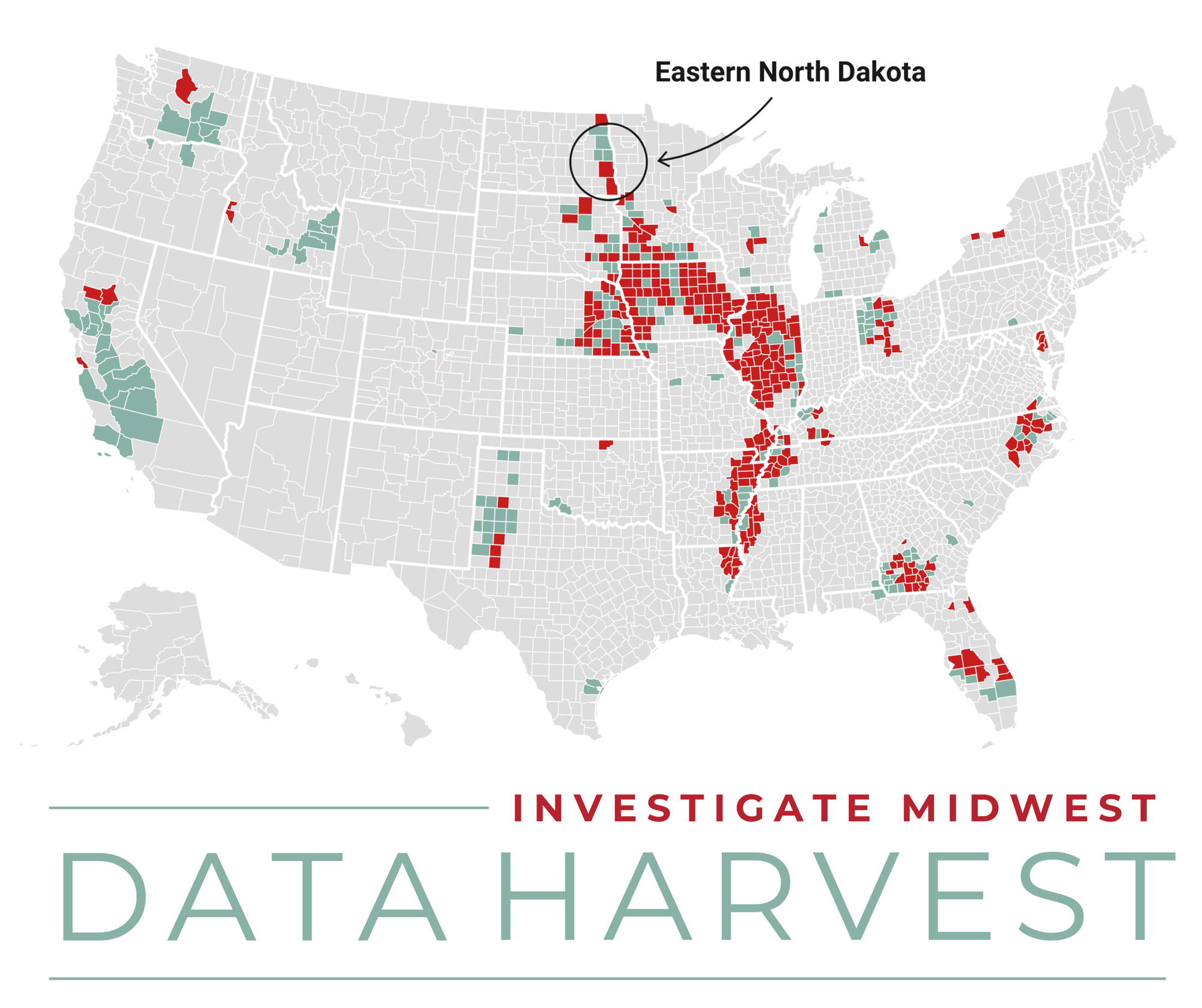
Eastern North Dakota is a top corn and soybean-growing region, with many of its counties among the nation’s largest users of pesticides and herbicides.
It’s also home to higher-than-average cancer rates.
Of the top 500 U.S. counties for pesticide use, seven are in North Dakota, all within the Red River Valley.
Three of those counties — Pembina, Cass and Richland — also have cancer rates higher than the national average, according to an analysis of data from both the U.S. Geological Survey and the National Cancer Institute.
In fact, across the state, the higher a county’s pesticide use, the higher its cancer rates tend to be.
ICYMI: No criminal record
By Lauren Cross, Investigate Midwest
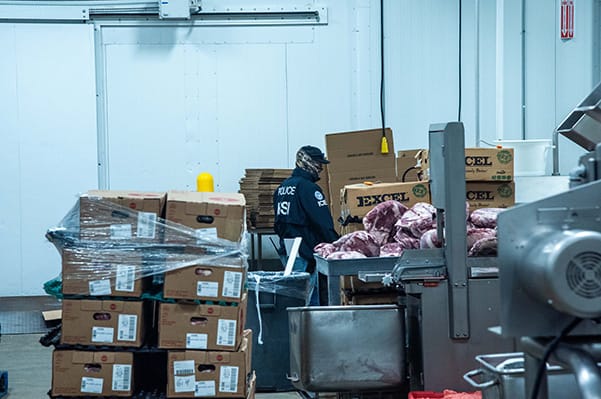
This story from Sky Chadde examined how Trump’s DHS expanded immigration enforcement in ways that lawyers, judges and advocates say push the limits of probable cause and due process. Investigate Midwest found that many detained farmworkers had no criminal record and farms and meatpacking plants have struggled to replace them.