“The climate of uncertainty that has been created here, I think it’s particularly punitive, and it is affecting the food supply chain.”
— Nik Theodore,
Professor, urban planning/policy, University of Illinois Chicago

Threat of ICE raids shadows every shift in Chicago’s food warehouses
Chicago is a major logistical hub in America’s food system, home to a network of warehouses that receive and package agricultural products for shipment worldwide. Many working in those facilities are immigrants.
These jobs can be difficult and dangerous. However, community leaders and worker advocates believed that things were getting better, thanks to a slew of state and federal policies.
Now, many of those gains are being lost as the Trump administration focuses on deportation, ends some worker protections, and seeks to dismantle further some of the gains made by Illinois lawmakers.
That’s the focus of our feature story this week by Jennifer Bamberg, Investigate Midwest’s Illinois government reporter, who spoke with dozens of immigrant workers, community leaders and lawmakers.
“The climate of uncertainty that has been created here, I think it’s particularly punitive, and it is affecting the food supply chain,” said Nik Theodore, a professor of urban planning and policy at the University of Illinois Chicago, speaking about the situation in Chicago’s food warehouses.
This story is part of an ongoing series investigating how Trump’s immigration policies are impacting the nation’s food system. One story examined the impact on a small Illinois meatpacking town, and last month Investigate Midwest hosted a panel discussion featuring immigrant leaders and a lawmaker, which can be watched here.
— Ben Felder, editor-in-chief

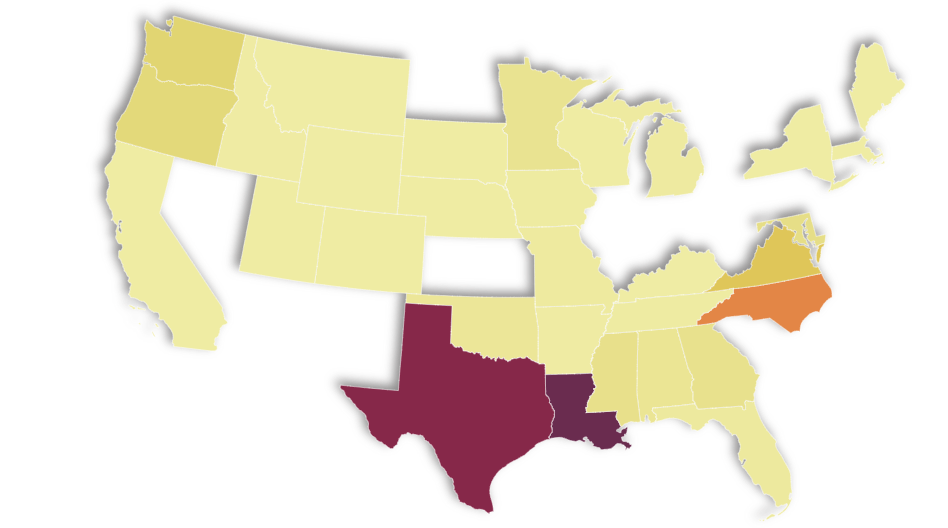
DATA HARVEST: H-2B visa holders keep the nation’s seafood industry afloat
By John McCracken, Investigate Midwest
What began in 1952 as a stopgap for seasonal labor has become a test case for U.S. immigration policy under President Trump.
The H-2B visa program has become a backbone of seafood processing and meatpacking, particularly in coastal states.
The number of H-2B visa holders working in meatpacking has increased 60% since 2016, according to an Investigate Midwest analysis of U.S. Citizenship and Immigration Services data.
The expansion has revealed a paradox: industries are increasingly reliant on foreign-born workers at the very moment federal officials are moving to scale back their access.
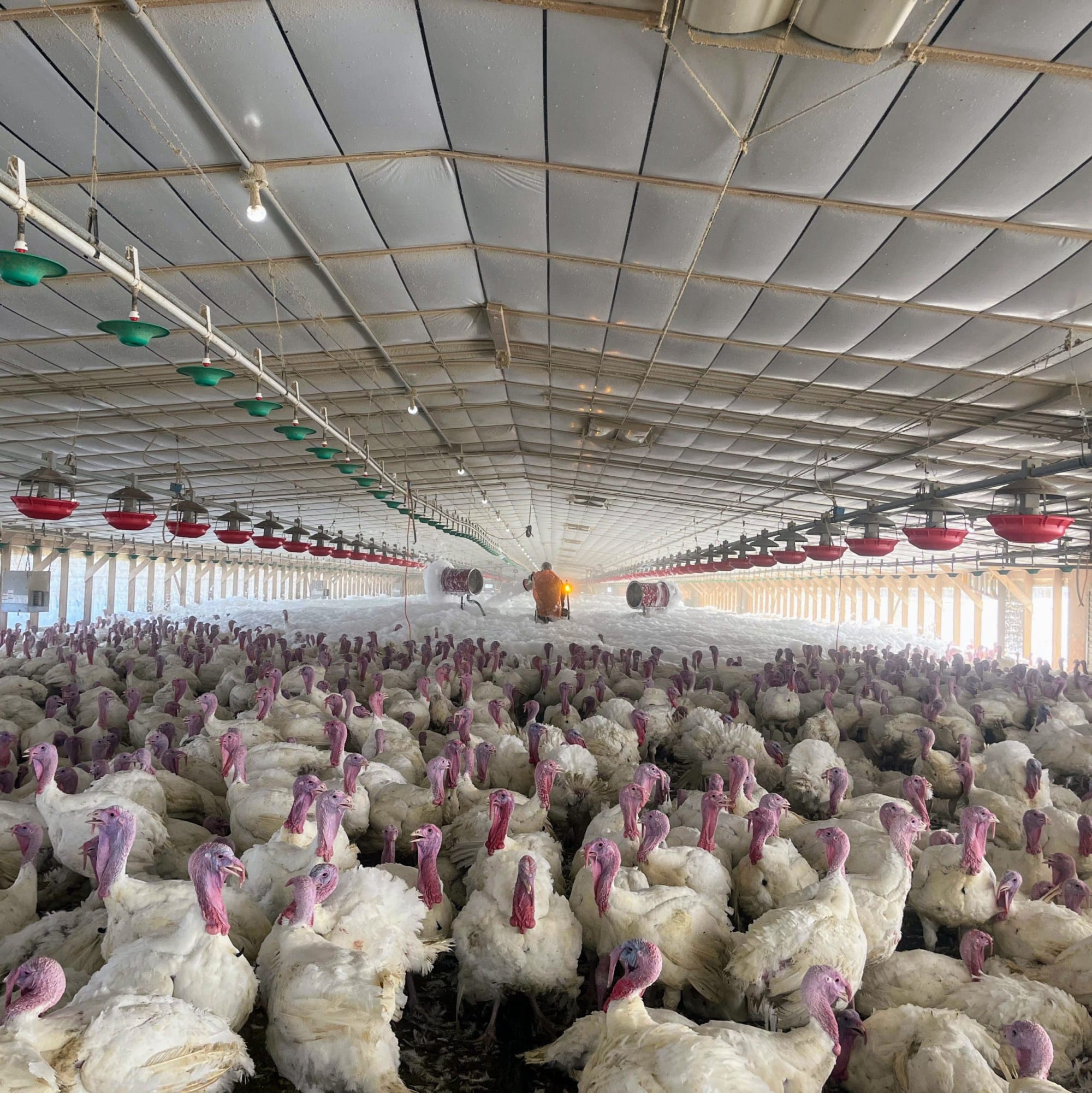
ICYMI: Underage labor. Dead chickens. Big payouts.
By John McCracken, Investigate Midwest
One of our most-read investigations of 2025 exposed how child workers and controversial culling methods were used during the federal bird flu response — and revealed how federal contracts and indemnity payments turned the bird flu crisis into big business for a handful of companies.
News from trusted media partners
Small farmers are squeezed more than ever. A California program offers a lifeline, Grist
Ag department cuts 30-year survey of food insecurity, KBIA
Connect with us on social media!
Meet Lauren Cross. She earned a master’s degree in Public Affairs Reporting from the University of Illinois–Springfield in 2013 and joined Investigate Midwest in August 2024. As...