Oct. 17, 2024 The Midwest Center For Investigative Reporting
Marginalized communities suffer most from meatpacking plant pollution
Meatpacking plants across the Midwest have been cited for various types of pollution over the past 20 years. And it’s marginalized communities that often suffer the most.
This latest Investigate Midwest story used demographic data and an analysis of two decades of U.S. Environmental Protection Agency enforcement records to highlight how meatpacking facilities disproportionately pollute low-income communities.
Those working at the plant, many of whom are immigrants, often live the closest. At nearly half of the meatpacking plants in the Midwest, more than 40% of the population living within one mile have an income less than two times the poverty level. At nearly four in ten meatpacking plants, Hispanic residents make up between 20% and 45% of people living within one mile.
That includes the town of Postville, Iowa, which is the focus of this story. A meatpacking plant transformed the town’s economy, but it has also presented it with numerous environmental challenges.
What’s missing from the conversation on pollution and meatpacking? What should we investigate next? Let me know directly by emailing me at ben.felder@investigatemidwest.org.
— Ben Felder, editor in chief
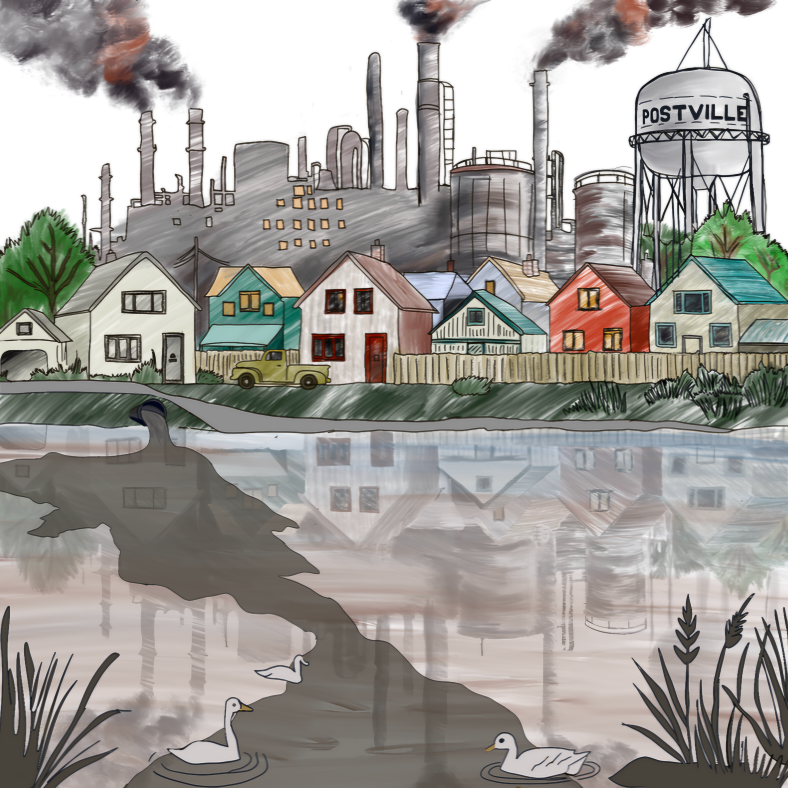
Postville has long dealt with the fallout from
Agri Star Meat and Poultry, the town's largest employer
By Mónica Cordero, Report for America, and John McCracken, Investigate Midwest
POSTVILLE, Iowa — In March, officials in Postville shut down its water treatment facility for two days as city employees worked to prevent polluted water from a meatpacking plant from entering the water supply.
Agri Star Meat and Poultry had discharged more than 250,000 gallons of untreated food processing waste — blood, chemicals and other solid materials — into the city’s wastewater system. Chris Hackman, the city’s wastewater operator for the past 25 years, said it was one of the worst incidents he could remember.
“We've never seen anything like that,” he said.
In majority-white Iowa, most Postville residents are people of color, with more than 40% identifying as Hispanic. Many work at Agri Star Meat and Poultry, the town’s largest employer.
Read more.
By Jennifer Bamberg, Investigate Midwest
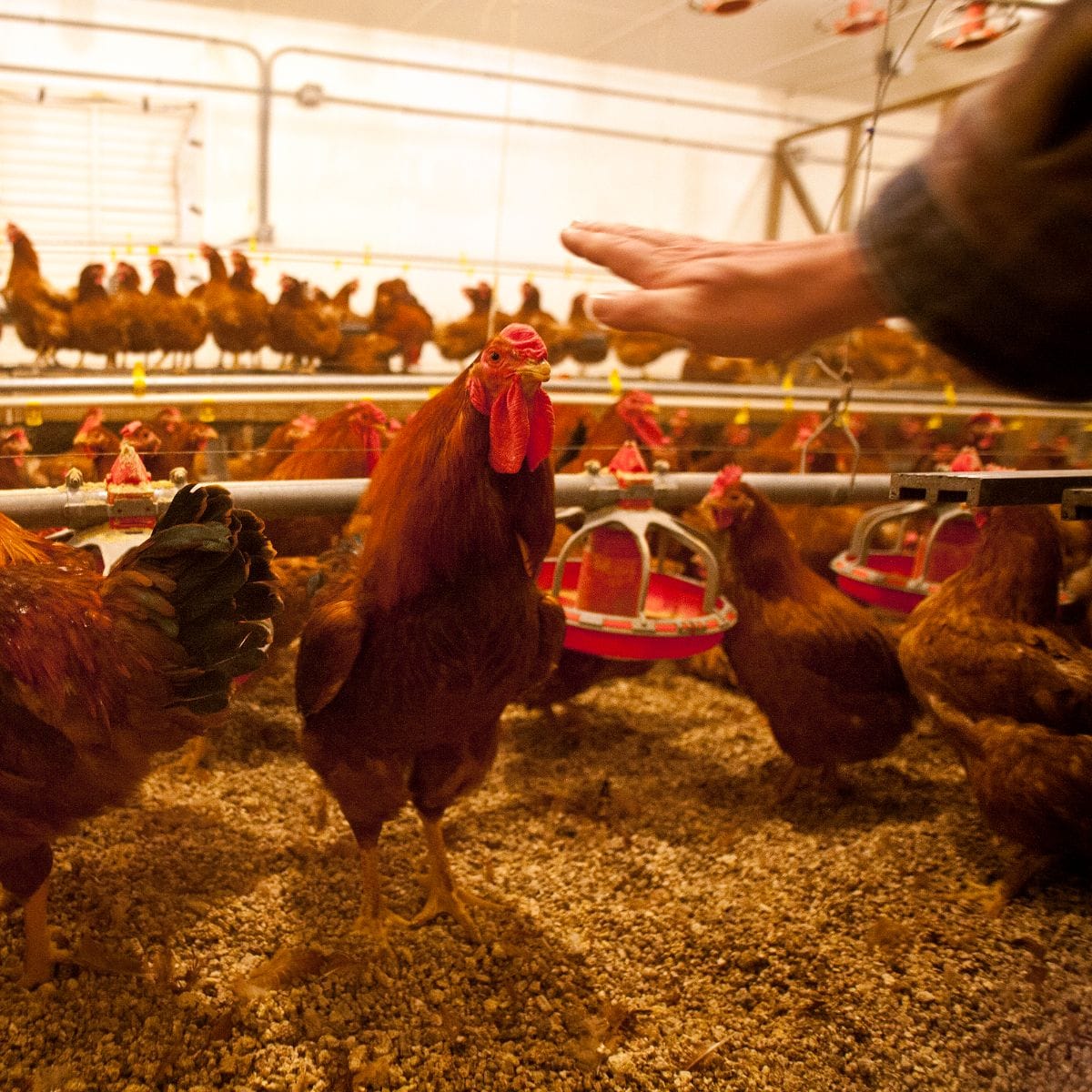
For this week's graphic, we're diving into the USDA's multi-billion-dollar response to the bird flu outbreak and how most of the financial support has gone to just a few large companies. Our analysis shows that 10 companies have received half of the total payments, including Herbruck’s Poultry Ranch, a major supplier for McDonald’s. This visual breakdown highlights the impact of these payments and how they reflect larger trends in the poultry industry.
View the graphic.
Midwest farmers advocate for steady policies amid trade challenges
By Mónica Cordero, Report for America/Investigate Midwest
Just as he did in 2016 and 2020, Iowa farmer and rancher Lance Lillibridge plans to vote for Donald Trump this November.
However, this self-described conservative said his vote for the former president will come with concerns.
"His policies didn't do us any good; his tariffs didn't do us any good," said Lillibridge, referring to Trump’s first term as president.
At the start of his second year in office, Trump, responding to what he said were unfair trade practices, enacted the most significant increase in U.S. tariffs since the Great Depression. Trump imposed higher taxes on imports from several countries, including China, Canada, the European Union, Mexico, India and Turkey.
In response, many of the affected countries imposed retaliatory tariffs on U.S. exports of agriculture and food products, leading to an estimated $27 billion decline in foreign sales between mid-2018 and the end of 2019, according to the USDA's Economic Research Service. The losses were most pronounced in the Midwest.
Read more.
ICYMI: Water is more scarce in certain areas, but
water-intensive meat production isn’t slowing down
By Madison McVan, Investigate Midwest
This investigation from 2022 spotlights that most large U.S. meatpacking companies don’t require sustainable water practices in their supply chains. This, in turn, impacts surrounding communities in a variety of ways — a trend that has only continued.
Water is critical to America’s meat habit. Cows, pigs and chickens drink it. Farmers clean barns and cool animals with it. Meatpackers sanitize plants and wash their product with it.
But, most importantly, water grows the crops needed to feed the millions of animals raised and slaughtered each year that end up on Americans’ tables.
As climate change continues to cause severe weather events in increasing frequency, including droughts and floods, water will become an increasingly scarce resource. But when it comes to environmentally sustainable water use, meat companies lag behind other corporations in the food industry, according to a report by Ceres, a nonprofit environmental advocacy group.
Most large companies have policies to reduce water use and pollution. But some of the largest meat companies in the U.S. lack measures such as water reduction targets, watershed protection plans and incentives for suppliers to conserve water, according to the report.
Read more.

WHAT: Join Investigate Midwest and IowaWatch for an evening of live storytelling
The theme, "Lost & Found: Lost Treasures, Found Journeys," will expand upon the topics of loss, identity and change.
WHEN: Thursday, Nov. 7; 6:30-8:30 p.m. CST. Doors at 5:30 p.m.
WHERE: Poindexter Coffee, 210 South Dubuque Street Iowa City, IA 52240
TICKETS: $25 donation — includes a drink ticket good for a glass of wine, beer, or soda. Food and additional beverages will be available to order. The event will also feature a silent auction and trivia. Trivia is cash only, $5 a person. All donations from this event support Investigate Midwest and its IowaWatch newsroom.
Investigate Midwest is an independent, nonprofit newsroom. Our mission is to serve the public as a watchdog over influential corporations and institutions through in-depth and data-driven investigative journalism.