From global markets to grocery aisles
If you work in or around agriculture, you probably don’t need anyone to explain how quickly rising fuel, fertilizer or shipping costs can ripple through the economy.
But lately, I’ve been thinking more about what those ripple effects look like once they finally reach the grocery store.
As a parent managing a household on one income, I’ve noticed grocery shopping becoming more deliberate again. You start paying closer attention to what went up, what you can stretch another week and what quietly disappeared from the cart altogether.
Which brings me to Sky Chadde’s latest reporting on grocery prices.
Food prices rose 0.68% in April compared to the previous month, marking the sharpest month-to-month increase since August 2022, according to federal inflation data.
Back in 2022, food prices were still surging from the combined effects of the COVID-19 pandemic, supply chain breakdowns and Russia’s invasion of Ukraine, which disrupted global grain, fertilizer and energy markets.
Today’s pressures look different, but some of the underlying dynamics feel familiar. Sky’s story examines how renewed instability tied to Iran and disruptions in the Strait of Hormuz, one of the world’s most critical oil shipping routes, are once again pushing energy and food prices higher.
The story also looks at how rising grocery costs are affecting consumers already strained by years of higher prices and economic uncertainty.
— Lauren Cross, assistant editor & audience engagement manager
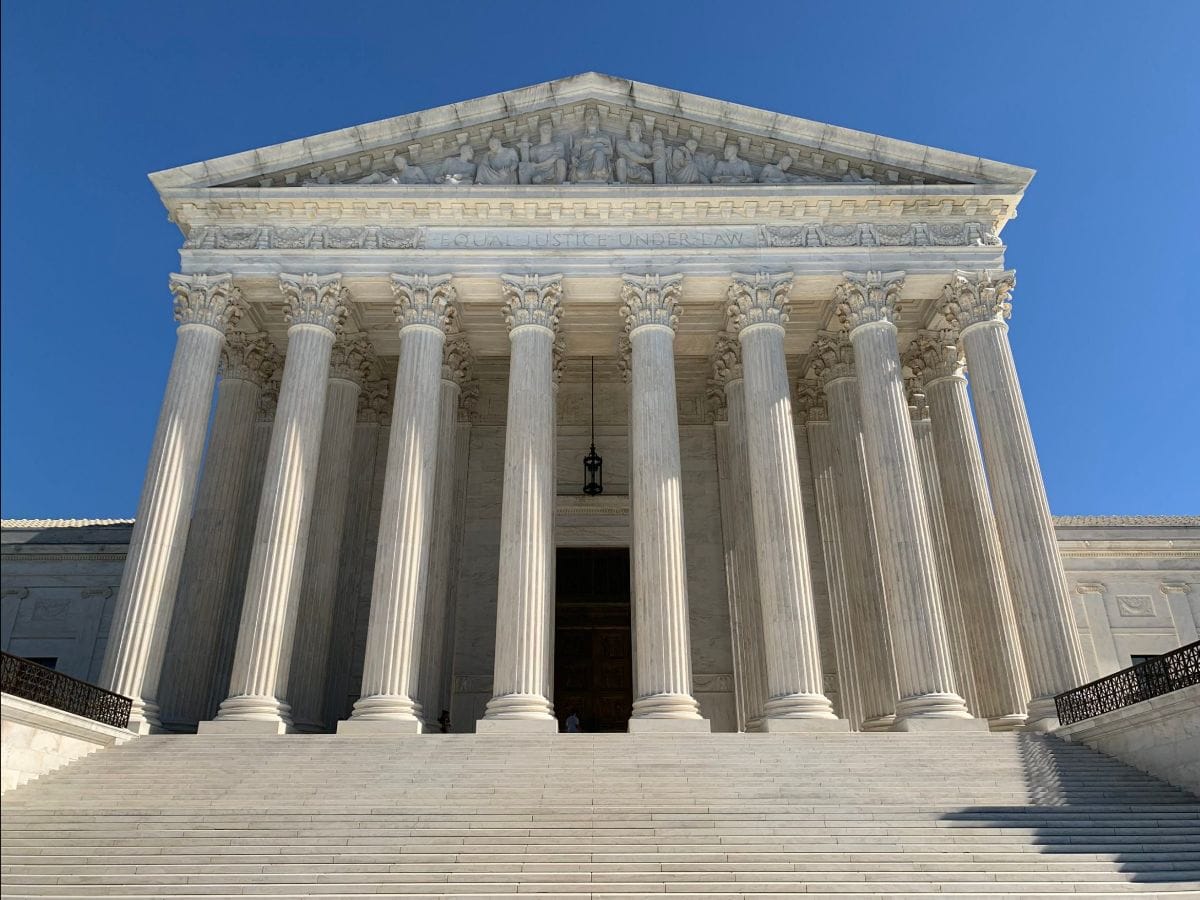
ICYMI: Roundup’s legal fight escalates
By Sky Chadde, Investigate Midwest
In April, Investigate Midwest reported that internal emails revealed at a congressional hearing showed Bayer wanted to thank EPA Administrator Lee Zeldin after the agency removed support for California cancer warnings on Roundup. The story landed as Bayer’s legal fight over Roundup reached the U.S. Supreme Court and as Congress weighed pesticide liability protections.
News from trusted media partners
Iowa Sen. Catelin Drey knows her state’s cancer crisis. She’s living it., Sentient Media
This herbicide is so toxic it’s been banned in over 70 countries. But plants in the South are releasing it into the air., Mississippi River Basin Ag & Water Desk/The Lens
Connect with us on social media!

The panel discussion — sponsored by Second Story Fundraising — is part of Investigate Midwest’s broader reporting project examining pesticide use, cancer rates and health concerns...