May 25, 2023 www.investigatemidwest.org Midwest Center for Investigative Reporting
ICYMI: Great reads for the long weekend
It’s hard to believe we are almost halfway through 2023. Looking back on what our award-winning reporting staff at Investigate Midwest already has produced this year, I’m reminded of the wide impact industrial agriculture and the associated governmental policies have on daily life.
As you head into the long holiday weekend, here’s a roundup of some of our stories you might have missed (or perhaps just want to read again to refresh your memory).
Thanks for reading.
— Erin Orr, executive director/managing editor
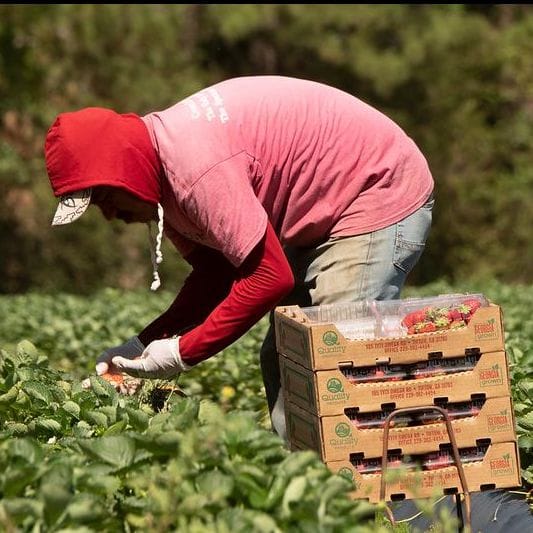
The government system meant to protect migrant farmworkers is plagued by staff turnover and an ongoing lack of outreach. This story, part of our ongoing investigation into the state of migrant farmworker housing, notes the impact COVID-19 took on programs meant to protect this vulnerable population.
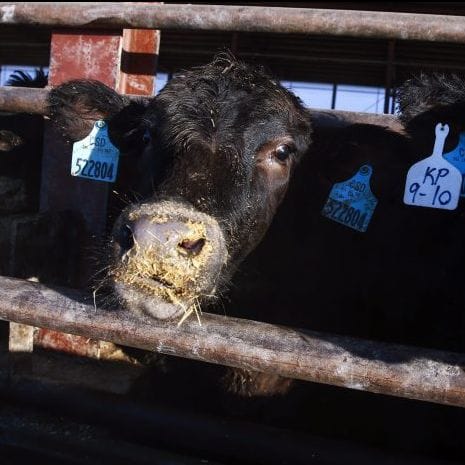
After working on it for nearly 20 years, the Environmental Protection Agency still has no method for measuring air pollution coming from concentrated animal feeding operations, or CAFOS. Why does this matter? Because when gases from these facilities overwhelm communities, the health impacts can be severe — chronic respiratory issues and even damage to the nervous system.
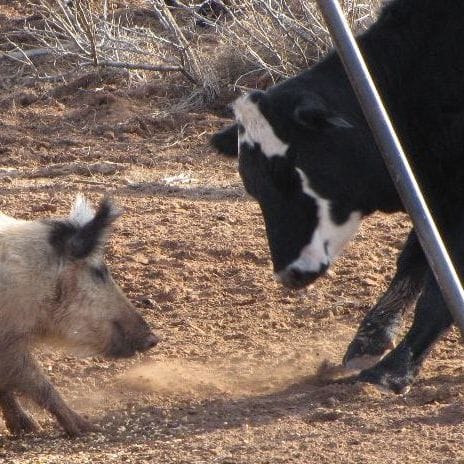
Minnesota is on alert for invasion of “super pigs” from Canada. It sounds like a B horror movie, but it is a very real threat. Feral swine populations are no laughing matter because they are aggressive, invasive, damage crops and property, eat food meant for other livestock, carry disease, and are wiley, making them difficult to eradicate.

Breaking up the FDA has been a hot topic in some corners of society. The reason argued in this opinion piece by Dave Dickey: for years, the Human Foods Program of the Federal Drug Association has failed too many times to protect the population from illness and death.
Opinion: Food waste is in the eye of the beholder
By Dave Dickey, Columnist

Dave Dickey writes in his latest column: "Show up at the grocery store early on a Monday after a busy shopping weekend and you are likely to find bins of rejected produce — blemished, deformed, spotted, bruised. Maybe a fly or two buzzing around. The dregs. All deemed too ugly for purchase by shoppers who only have eyes for perfection. It's nationwide produce prejudice. And you can bet much of those beauty-contest runner-ups are headed for trash dumps.
"Globally, the financial cost of food waste is estimated at $1 trillion annually."
Read more.
Working together to bring you in-depth investigations
As our Spring Celebration Campaign-Planting Seeds for Truth nears completion — just two more weeks — I wanted to highlight work Investigate Midwest does in collaboration with others, and how your support is crucial to the success of these partnerships.
Through Investigate Midwest’s mission — serving the public as a watchdog over influential corporations and institutions through in-depth and data-driven investigative journalism – we sometimes work closely with other media outlets.
Earlier this year, one of those partnerships produced a story examining why, despite national goals, agricultural greenhouse gas emissions remain unchecked. While nationwide emissions from sectors like energy production have fallen in recent decades, those from agriculture — especially livestock and corn — have grown.
Half the states in the U.S., including several in the Midwest, have no greenhouse gas reduction goals. As one source put it, “If there’s no political will to advocate for such goals, it’s not going to happen absent market-based approaches or voluntary efforts.”
There is more work to be done. At Investigate Midwest, we are here to hold powers-that-be accountable for why such work isn’t being done, to examine obstacles and to give voice to those who need it.
With your support, we can keep digging.
Our goal for this spring campaign is to raise $10,000 by June 1, all targeted for our long-term growth and sustainability, so we can continue to produce the high quality stories you’ve come to expect.
Please make a tax-deductible donation today by going to our Donate page. You can use your credit or debit card, or PayPal account. (If using your credit or debit card, you do not need to set up an account; just click the box beneath the yellow PayPal button.)
A donation in any amount is appreciated. Your support will help us through the summer and beyond.
With gratitude,
Erin Orr
Executive Director/Managing Editor
P.S. Have a friend, family member or colleague who might support Investigate Midwest? Feel free to forward this to someone who also believes in supporting high-quality, investigative journalism. Thank you!
Other news
The following stories are a product of the Mississippi River Basin Ag & Water Desk, an editorially independent reporting network based at the University of Missouri School of Journalism in partnership with Report For America and funded by the Walton Family Foundation. Investigate Midwest is part of this network.
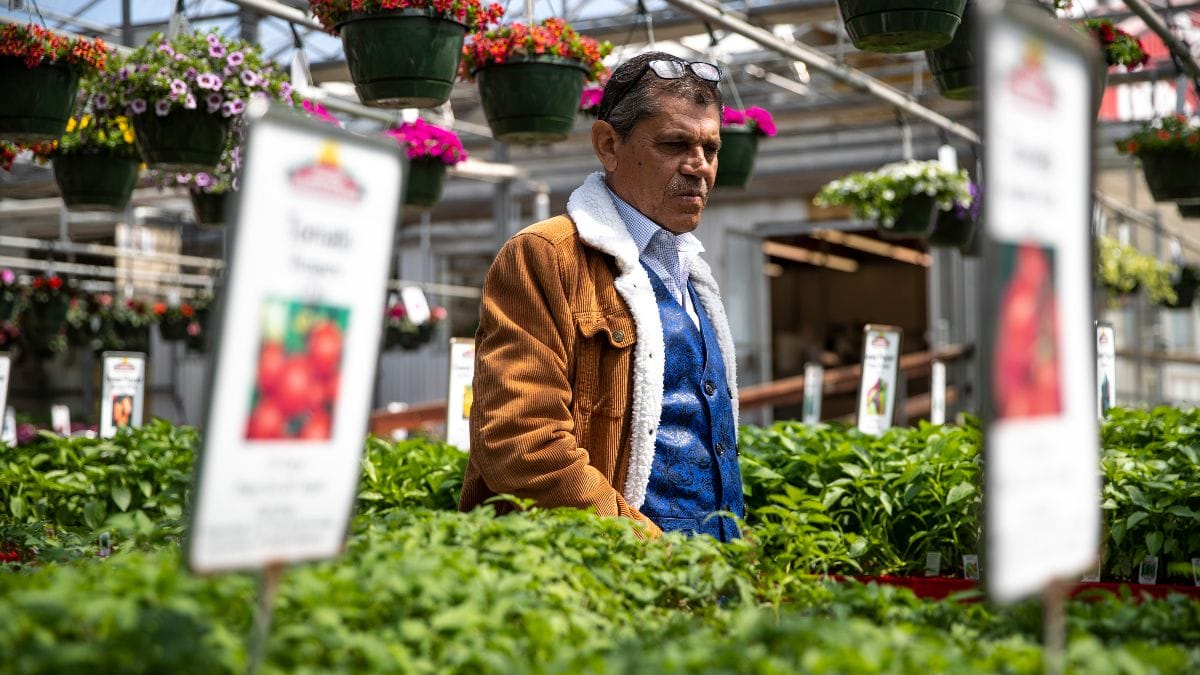
Lost in translation: How USDA barriers leave immigrant farmers and ranchers behind
Between record-high farm production expenses and declining farm income, producers are facing higher financial burdens than ever before.
The U.S. Department of Agriculture is there to help. Most farmers receive some sort of support from the USDA — from cash subsidies for commercial farmers to microloans for small-scale farmers, and conservation services to crop insurance. The department shells out billions of dollars a year for such resources.
But for many other immigrant farmers and ranchers in the United States, it’s to access — or even find out about — those opportunities.
This story is by The Gazette, a newspaper in Iowa.
Read more.