Thursday, April 4, 2024 Midwest Center for Investigative Reporting
Legislation would ban counties from considering water quality in approval process
In February, Nebraska state lawmakers convened to discuss a county zoning bill. It would eliminate public meetings about proposed concentrated animal feeding operations, or CAFOs, and it would strip counties of the ability to consider water quality when debating whether to approve the potentially hazardous facilities.
One person who testified in favor of the bill was no ordinary stakeholder — Gov. Jim Pillen. In the decades before his election, Pillen built the largest hog business in Nebraska. (He's said his adult children now run the day-to-day operations).
But Pillen's office had more involvement in the bill than previously known, according to emails obtained by the Flatwater Free Press. In the latest story in our collaboration, Pigs and Power, read why a Nebraska ethics expert said the administration's actions are "pushing the historical role" of the governor in the legislative process.
— Sky Chadde, assistant editor/senior reporter
Nebraska Gov. Jim Pillen’s office, industry groups crafted bill easing ag permitting process, emails show
By Yanqi Xu, Flatwater Free Press
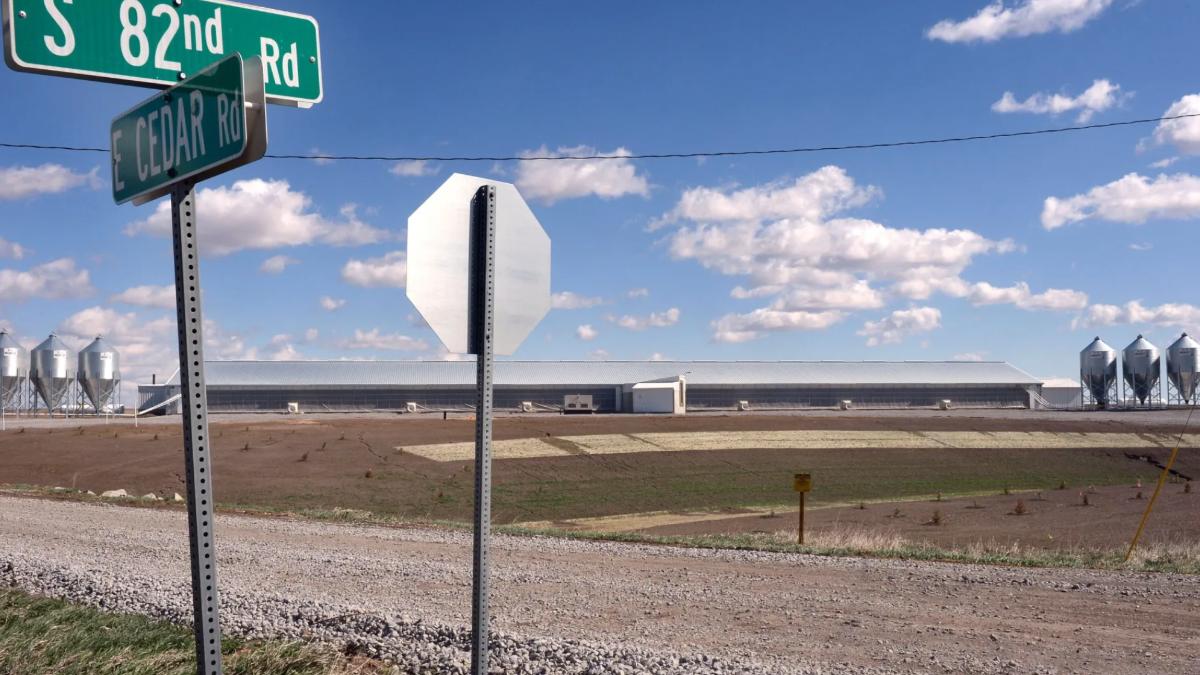
At the Nebraska statehouse, a seemingly mundane bill reforming county zoning procedures drew testimony from a big name: Gov. Jim Pillen. Before becoming governor, Pillen had gone before county boards seeking permission to build his hog farms as he grew a Nebraska pig empire. The governor's office has said there is not a conflict of interest with Pillen supporting the bill.
Read more.
GRAPHIC: Farms owned by African Americans are much smaller than those owned by all other racial groups
By Sky Chadde, Investigate Midwest
In 1999, a federal judge ruled that the U.S. Department of Agriculture had discriminated against Black farmers for years. The agency had systematically denied Black farmers assistance to grow their operations, the judge found.
The effects can still be found in the total acreage of Black farms versus all other farms.
See the graphic.
OPINION: EPA’s gambit to control slaughterhouse nutrient pollution won’t be the last word
By Dave Dickey, Columnist
In his latest column, Dave Dickey looks at meatpacking facilities and the millions of pounds of nutrients discharged into U.S. waterways. He writes: "The last time EPA updated nutrient pollution standards for the nation’s largest meat processing plants was in 2004. And currently there are no phosphorus pollution limitations for MPP facilities. None."
Read more.

NINE DAYS to get the 'inside scoop' at Iowa City event
You are welcome to enjoy stories from five longtime journalists, Friday, April 12, at 6 p.m. at Poindexter Coffee inside The Graduate hotel in Iowa City. Iowa Public Radio host Charity Nebbe will host the event. Get tickets here.
This event supports reporting by the IowaWatch newsroom of Investigate Midwest.
The speakers include:
- Lee Rood, investigative reporter and Reader's Watchdog columnist, Des Moines Register.
- Dana James, founder and publisher, Black Iowa News.
- Maudlyne Ihejirika, author, retired Chicago Sun-Times Columnist/reporter, journalism and storytelling program officer, Field Foundation of Illinois.
- Randy Evans, executive director, Iowa Freedom of Information Council and a former Des Moines Register reporter/editor.
- Zachary Oren Smith, eastern Iowa reporter, Iowa Public Radio.
News from our partners
USDA will implement long-awaited change to country-of-origin labeling rules The Daily Yonder
Midwest maple syrup producers adapt to record-warm winter, uncertainty in face of changing climate The Gazette and Wisconsin Watch
Investigate Midwest is an independent, nonprofit newsroom. Our mission is to serve the public as a watchdog over influential corporations and institutions through in-depth and data-driven investigative journalism.