This month, you’ll be hearing directly from Juan Vassallo, an investigative reporter with Investigate Midwest based in Oklahoma City, where he covers agribusiness and the meat industry. He’s been on the ground in Beardstown, Illinois, talking with immigrant workers about how shifting federal policies are reshaping their lives — and he wanted to share a bit of what he saw. This topic is also the focus of our upcoming immigration panel on Sept. 18, where you’ll hear directly from folks with ties to Beardstown. We’d love for you to join — it’s free to attend.
Immigration has sustained Beardstown.
Trump's policies raise new questions.
"Even though my body is tired and my thoughts torment me, this country will not humiliate me; I know God will give me refuge, even if this country leaves me with nothing."
- St. Alexus parishioners in Beardstown, Illinois
Spoken in Spanish during a short play written and performed by parishioners at St. Alexus Catholic Church in Beardstown, Illinois, the line captures the feelings of many living at the mercy of U.S. immigration policies.
The play was staged after Sunday’s Spanish Mass in mid-July. The church pews were packed, with many workers in attendance from the JBS pork slaughterhouse or DOT Foods, one of the country’s largest food redistribution hubs that draws immigrants from across the region.
I traveled to Beardstown in July to meet some of those workers.
I had heard that many of them had recently lost their jobs after changes under the Trump administration — particularly the rollback of humanitarian parole programs — left them undocumented and out of work.
The play’s message echoed what I heard throughout my stay in town: fear, fatigue, but also persistence.
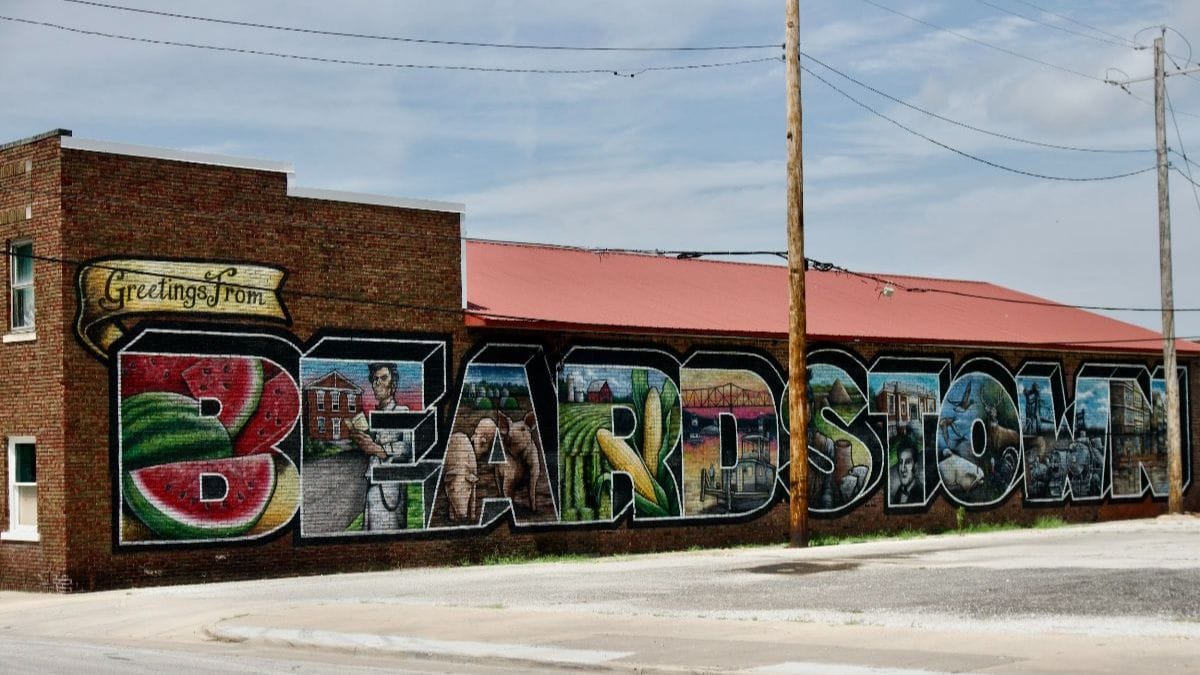
Beardstown is a rural town whose economy has long relied on immigrant labor. Once in decline, it was revitalized by arrivals from Mexico, Latin America, and Africa who came to work at the slaughterhouse after Cargill bought it in 1987 and began recruiting workers from out of town, as few locals were willing to take the low-paying, dangerous jobs.
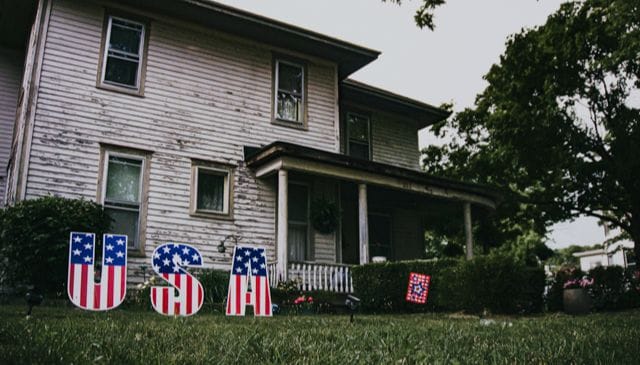
For decades, the town has been cited by scholars and the media as an example of how immigrants have helped stabilize and sustain small towns in the Midwest.That stability now feels uncertain. Trump’s immigration policies have raised questions about what comes next for local workers and businesses.
JBS, Beardstown’s largest employer and the biggest donor to Trump’s inaugural fund, has not said whether it plans to continue operating with fewer employees or lean more heavily on guestworker visas, as one labor expert I talked to expects.
In the meantime, many immigrants in Beardstown are limiting their time in public, worried about being targeted by ICE regardless of their legal status. Others refuse to live in the shadows — attending church, playing in local soccer tournaments, and maintaining routines.
For long-established residents, the climate of fear is familiar. In 1997, the Ku Klux Klan held a rally outside the then-Cargill slaughterhouse to protest the hiring of immigrant workers, and in 2007 the Bush administration arrested 62 undocumented workers there.
In my latest story, published today, I trace Beardstown’s immigration history, talk with a Cuban couple who lost their jobs at DOT Foods, and show how the community is holding together. This is exactly the kind of on-the-ground reporting your support makes possible.
— Juan Vassallo, Investigate Midwest
First look: On the ground in Beardstown, where immigrant labor helped build a town
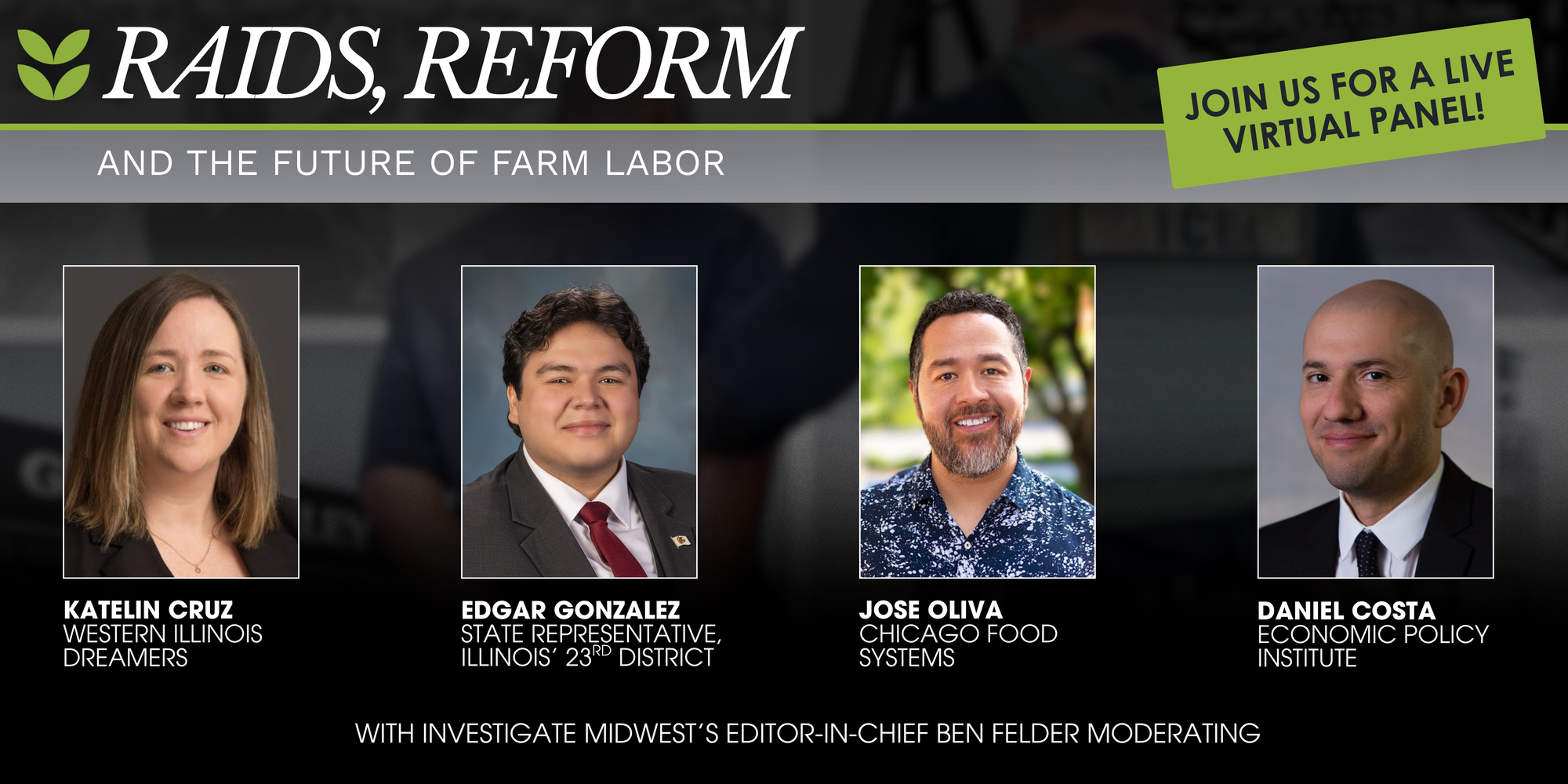
Join Investigate Midwest for Raids, Reform and the Future of Farm Labor, a free virtual panel on Sept. 18, 2025, at noon CST on Zoom. The discussion will feature Katelin Cruz of Western Illinois Dreamers, Illinois State Rep. Edgar Gonzalez (23rd District), Jose Oliva of Chicago Food Systems, and Daniel Costa of the Economic Policy Institute, with Investigate Midwest’s Editor-in-Chief Ben Felder moderating. Panelists will explore how immigration policies and labor reforms are reshaping farm work, food systems, and communities across the Midwest.
Our next 'Sunset on the Farm' is Sept. 14!
As we gear up for our immigration reporting series, we’re also gathering in person to celebrate the work your support makes possible. On Sunday, Sept. 14, join Investigate Midwest and our IowaWatch for an evening at Walker Homestead in Iowa City, featuring live music, wood-fired pizza, a silent auction and a sunflower to take home. All proceeds support independent, public service journalism.