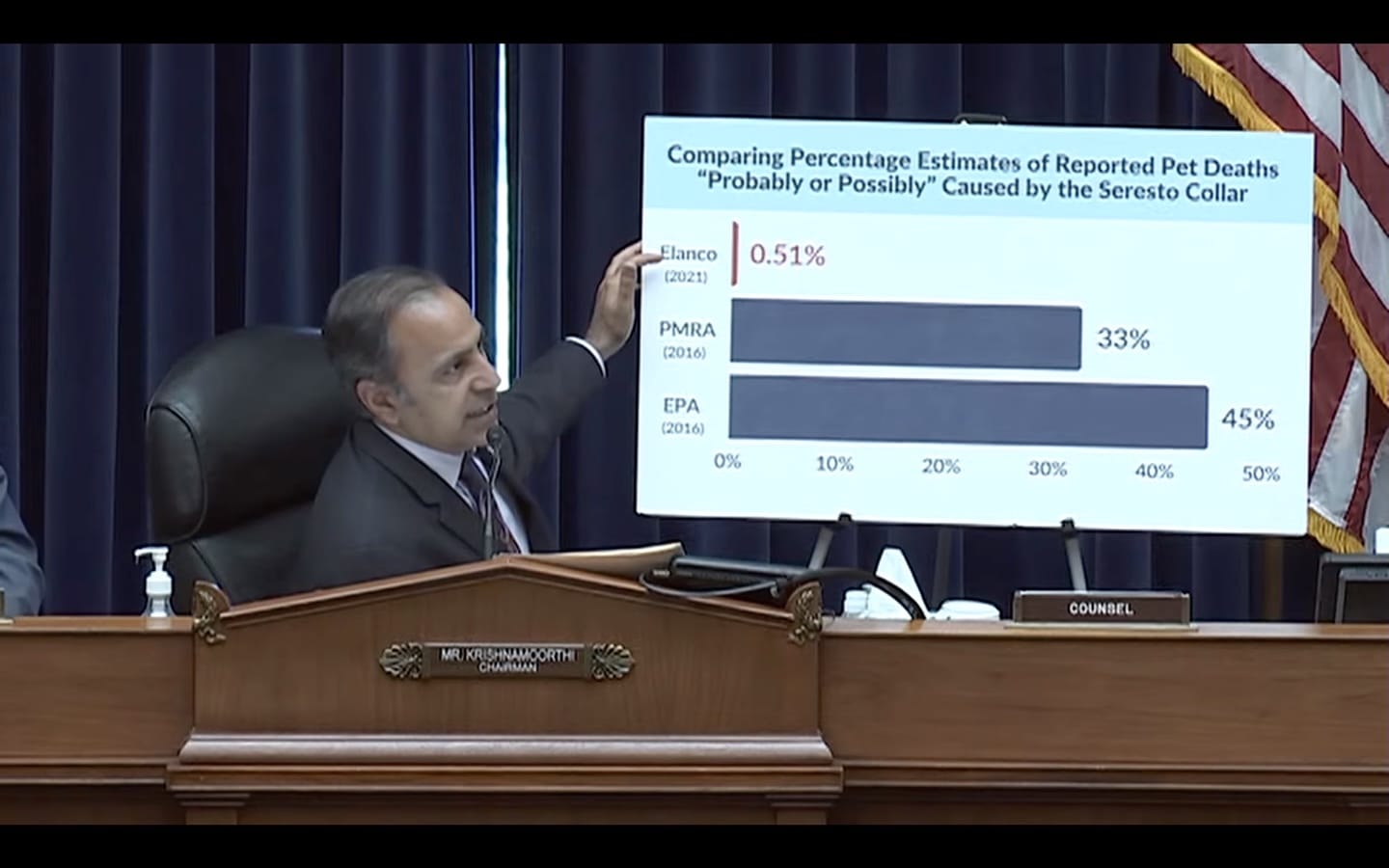
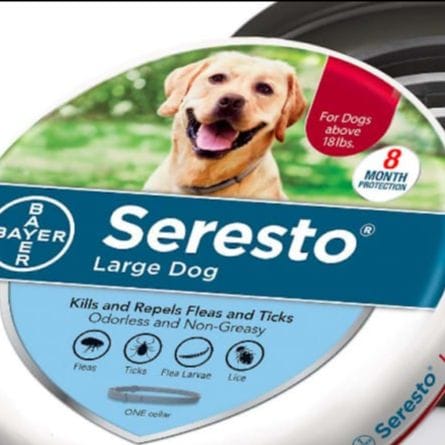
On Wednesday, a Congressional subcommittee released the results of a 16-month investigation into Seresto, one of the most popular flea and tick collars in America. The report called for the product to be removed from the market because of the risks it poses to pets and people.
At a hearing the same day, pet owners who believe their dogs died because of Seresto collars and the president and CEO of the collars’ manufacturer, Jeffrey Simmons, testified. In the face of questioning from Democratic lawmakers, Simmons maintained the collars were safe.
The investigation was launched in March 2021, following a story by Investigate Midwest and USA TODAY. Subsequent stories — partly based on internal EPA emails obtained by the Center for Biological Diversity — provided more information about the EPA's years of concern and inaction about Seresto.
Much of the report was based on that reporting, but the subcommittee also uncovered a lot of new and previously unreleased information. This included an analysis by Canadian health officials that determined the collar was too dangerous to sell there.
The subcommittee recommended a couple actions in the report’s wake: The EPA should cancel the product’s registration, and the agency should allocate necessary resources to investigate these incidents.
— Johnathan Hettinger, reporter
Congressional subcommittee: EPA must cancel popular Seresto collar over link to pet deaths | Johnathan Hettinger, Investigate Midwest
One of the most popular flea and tick collars in America poses “too great a risk to animals and humans” and should be removed from the market, a congressional subcommittee recommended in a report released Wednesday ahead of its hearing.
Here are 5 important takeaways from the Seresto investigation | Staff
After 16 months of investigating, the House Subcommittee on Economic and Consumer Policy — part of the House Oversight Committee, the main investigative body in the U.S. House of Representatives — unfurled Wednesday its finding into the popular Seresto flea and tick collars and the Environmental Protection Agency’s role in regulating the collars.
Opinion: U.S. Supreme Court needs to tread carefully on glyphosate challenge | Dave Dickey, for Investigate Midwest
GRAPHIC: USDA reports over 13 million birds affected by bird flu in Iowa | Aruni Soni, Investigate Midwest
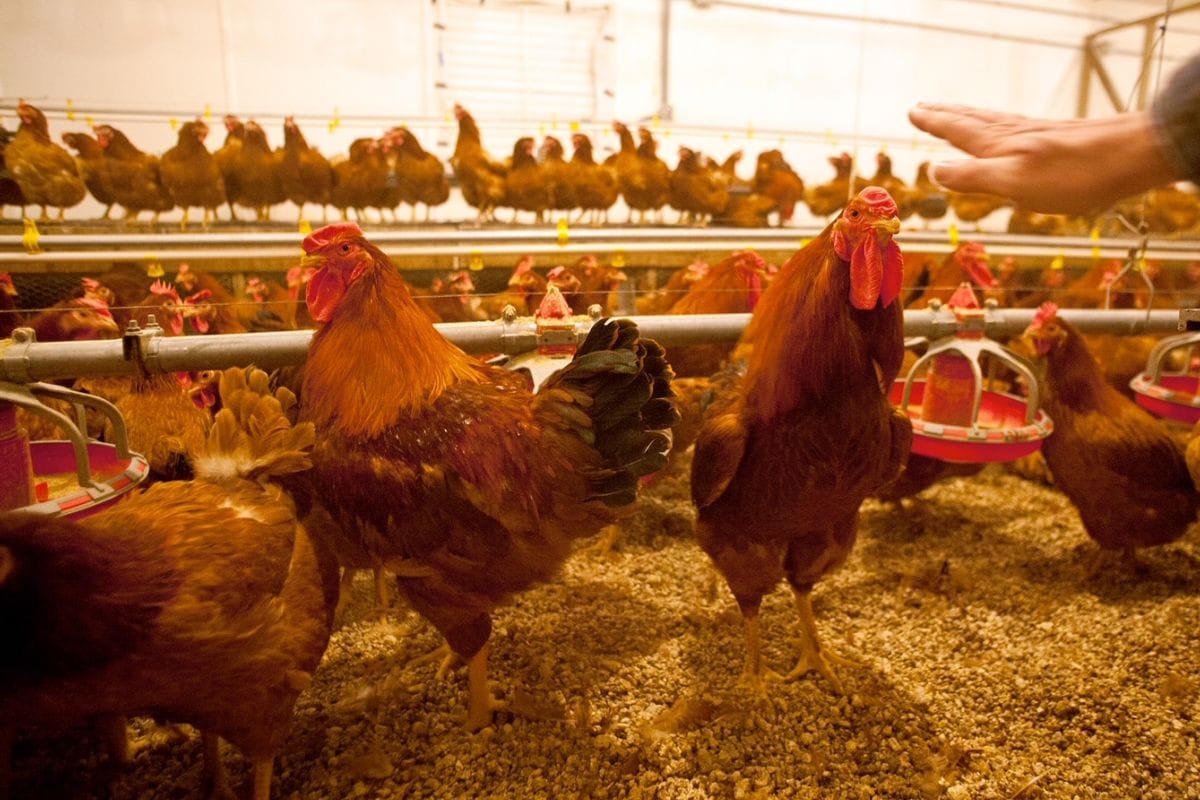
In February, the USDA reported that the virus reached a commercial flock in Indiana, the first confirmed case in the United States since 2020.