Thursday, March 14, 2024 Midwest Center for Investigative Reporting
Rancher, experts: Drought and climate change drive US beef inventory to 61-year low
Midwest ranchers are breathing a sigh of relief, thanks to the snowfall this winter, which is expected to improve the low water supplies resulting from recent droughts. But their challenges aren’t over.
In January, the nation’s beef inventory was at a 61-year low, a figure attributed to poor pasture conditions from recent years’ droughts. Since 2020, drought has rocked major beef-producing states, with some seeing large declines in quality pastureland needed for livestock during grazing months.
Coping with droughts also has become more complicated with climate change. Current research shows climate change has caused more frequent large rainfall events coupled with months of zero precipitation.
— John McCracken, reporter
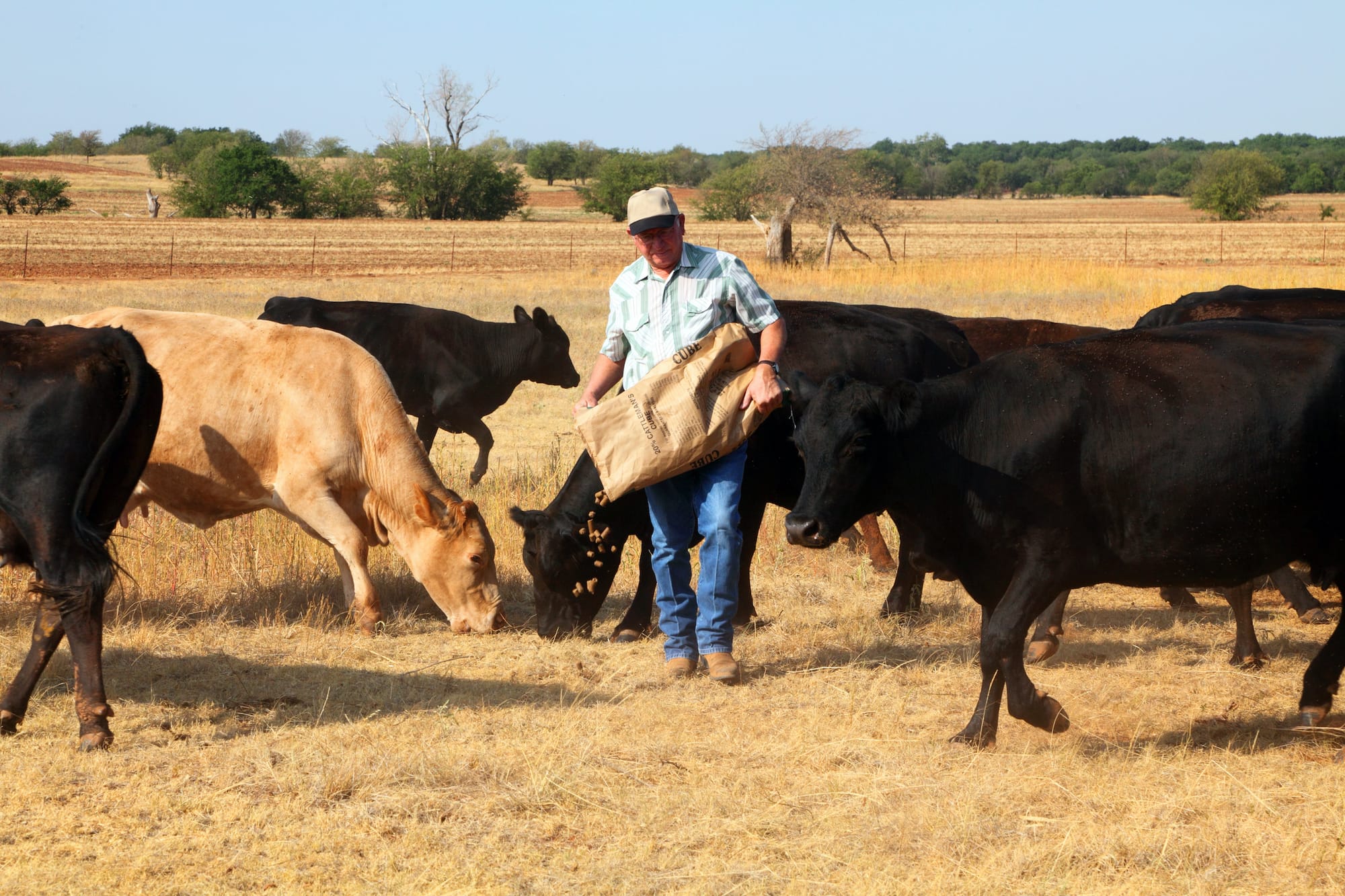
Droughts, complicated by climate change, push US beef herd to historic low
By John McCracken, Investigate Midwest
In any given year, the nation experiences dry periods without rainfall. Livestock producers mitigate the effects by providing additional water sources directly to animals or crops, such as water lines to livestock or irrigation for crops. But droughts in recent years have some beef producers worried.
“I always pray for a normal year,” one Nebraska farmer said, “which I don’t really know what that looks like anymore.”
Read more.
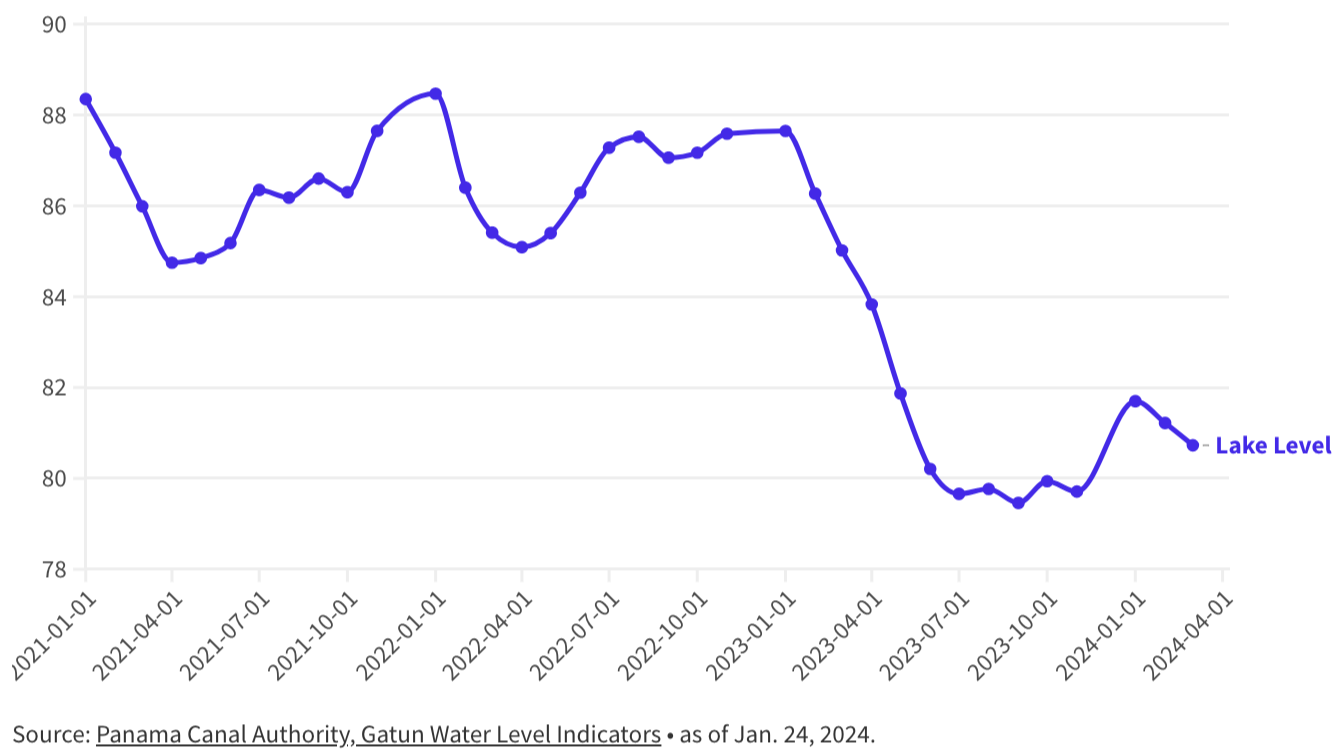
GRAPHIC: Historic droughts impact global agriculture shipping industry
By Jennifer Bamberg, Investigate Midwest
The Panama Canal is a crucial component in U.S. agricultural exports, valued at nearly $200 billion annually. However, the Panama Canal is facing the worst drought in its 110-year history.
See the whole graphic.
OPINION: Ag appropriation riders? What riders?
Columnist Dave Dickey has noticed riders being added to appropriations bills. He lists several from mifepristone to SNAP benefits in his latest column. He writes: "Even a partial list reveals a mindset more interested in controlling peoples' lives and creating chaos in government rather than anything resembling policies that make our country a better place."
Read more.
Tickets available for Iowa City storytelling event April 12
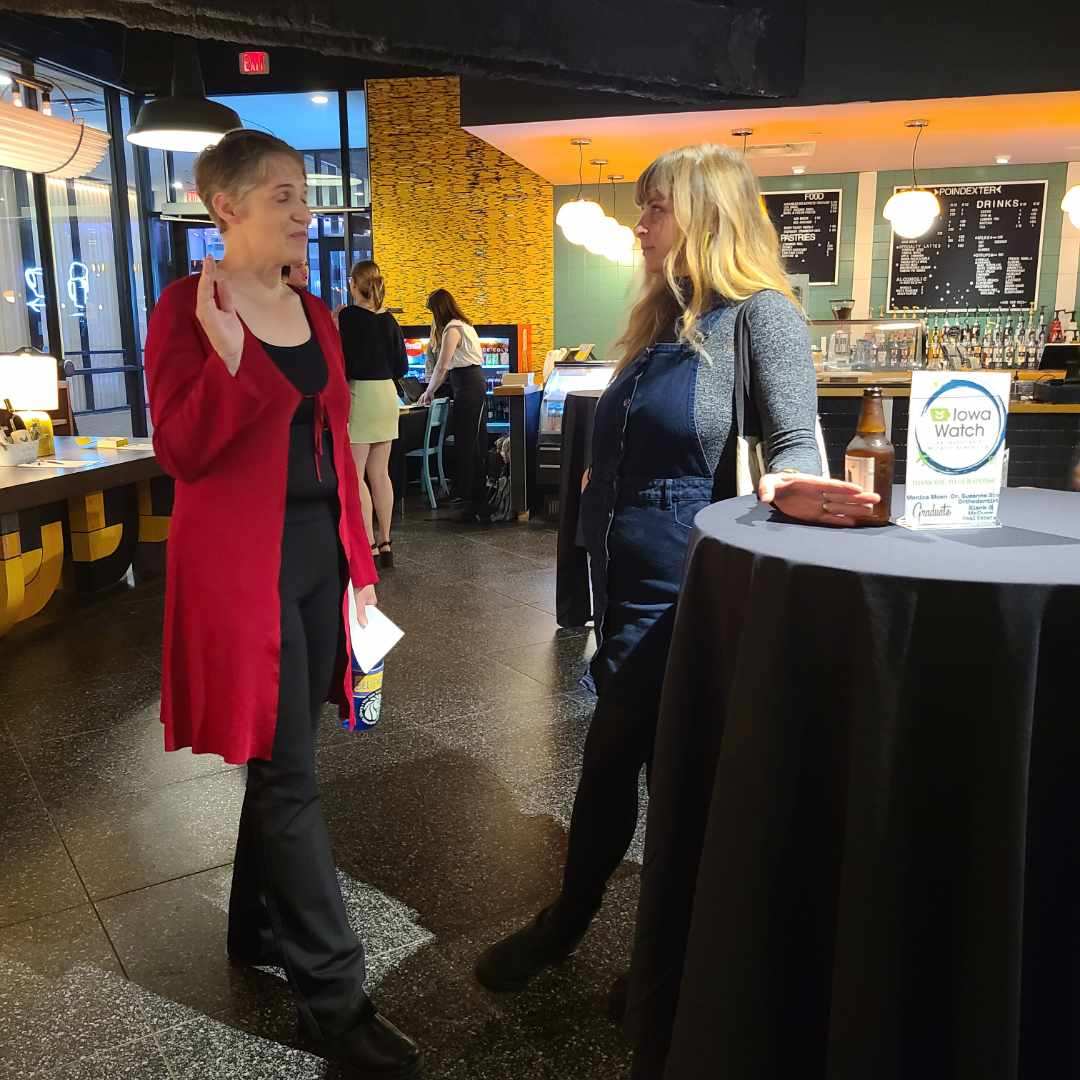
WHAT: You are invited to enjoy stories from the careers of five longtime journalists.
WHEN: Friday, April 12, at 6 p.m. at Poindexter Coffee inside The Graduate hotel in Iowa City.
WHY: This event supports reporting by the IowaWatch newsroom of Investigate Midwest.
HOW: Get tickets here.
MORE DETAILS: Read all about the event here.
News from our partners
Report shows Oklahoma has fewer producers, but some counties had an increase of farmers and ranchers By KOSU
Water’s worth: It sits beneath Nebraska’s farmland and has serious value. But who owns it? By Flatwater Free Press
Investigate Midwest is an independent, nonprofit newsroom. Our mission is to serve the public as a watchdog over influential corporations and institutions through in-depth and data-driven investigative journalism.